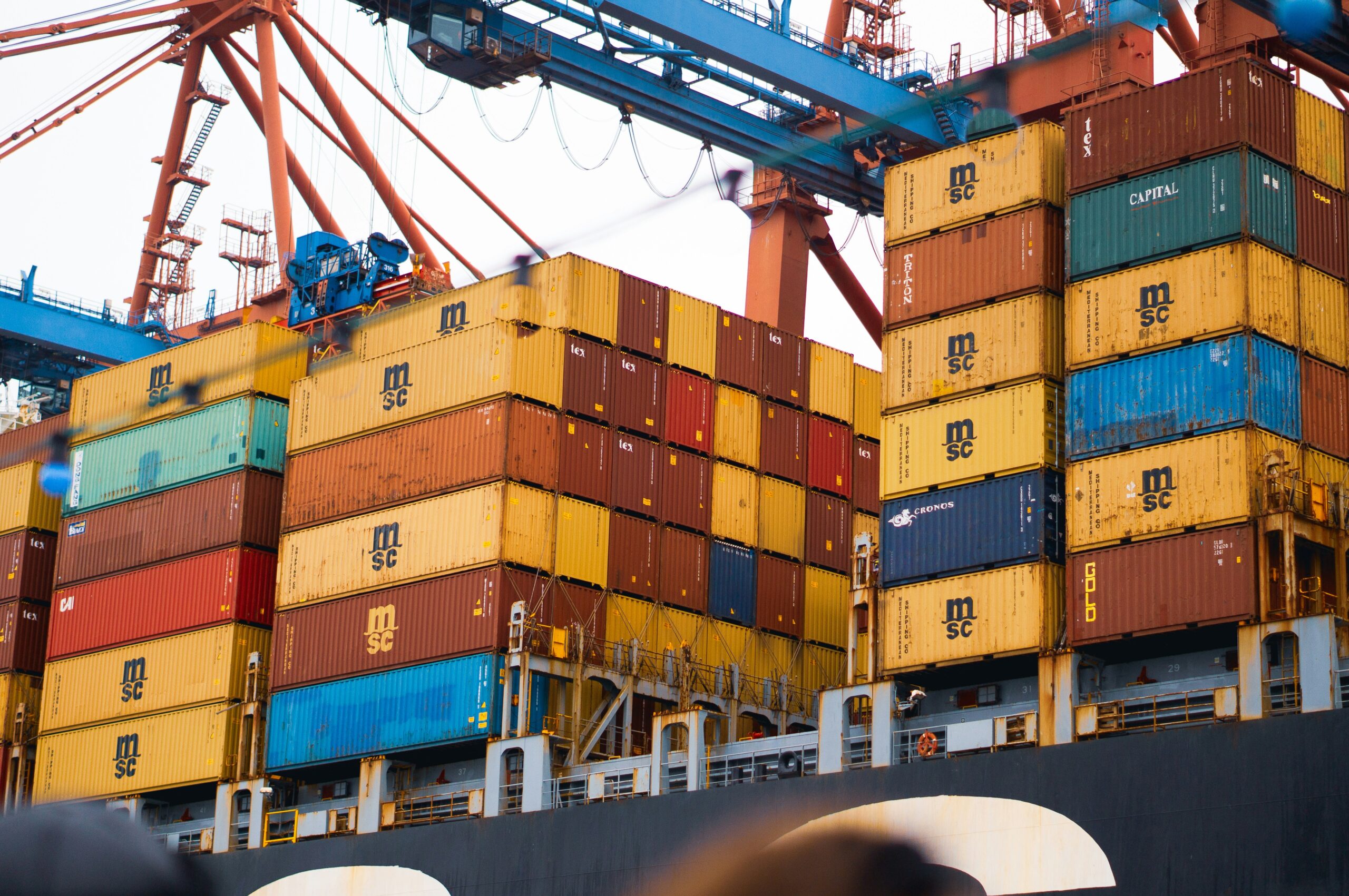
In 2020, the World Bank reported that Mauritius’ trade to GDP ratio was 78.7% (World Bank 2020). The country belongs to WTO and other regional economic organizations (COMESA, SADC, IOC). Mauritius’ trade policies strive to make the island an open, globally competitive economy. Compared to other islands, the island has few commercial barriers and cheap customs duties (the average applied tariff is only 0.92 percent ). Sugarcane (85% of the farmed land) and clothes (primarily t-shirts, shirts, and suits) were Mauritius’ top exports and imports in 2020, respectively.
China – Mauritius
The China-Mauritius Free Trade Agreement (Agreement) went into effect on January 1, 2021.
The Deal is China’s first free trade agreement with an African country, and it was inspired by their long-standing friendship and expanding bilateral economic ties since diplomatic relations were established in 1972.
After several years of talks, the Agreement is now in effect. It’s a step closer to Mauritius’ goal of becoming a bridge between China and continental Africa. China is consolidating its position in the strategically important Indian Ocean region.
The Agreement between Mauritius and China is divided into four sections:
- Goods trading
- Services trade
- Financial investment
- Collaboration on the economic front.
Preferential tariffs will enhance trade between Mauritius and China. On 8 547 tariff lines from Mauritius, there is also instant duty-free access to the Chinese market, while on 6 120 tariff lines from China, there is immediate duty-free access to the Mauritian market. Trade preferences will be applied under the Agreement, subject to the norms of origin of the goods.
The AfCFTA
Mauritius also signed the agreement establishing the African Continental Free Trade Area (AfCFTA) in October 2019, which coincidentally came into effect on January 1, 2021, under its liberal attitude toward free trade.
The AfCFTA establishes a free trade zone for products and services across 54 African countries by lowering or gradually eliminating tariffs and removing non-tariff trade and investment restrictions.
With the economic integration of the continent’s 54 countries and a market of over 1.3 billion people, the AfCFTA has created the world’s largest free trade area in terms of the number of member countries.
The AfCFTA intends to create a single market for products and services throughout the African continent while also encouraging the free movement of people and capital to boost intra-Africa commerce.
The AfCFTA Agreement defines three Protocols for product trade, service trade, and dispute settlement rules and procedures.
Mauritian trade with COMESA/SADC countries will continue based on the COMESA Treaty and the SADC Trade Protocol, as Mauritian is already a member of the two existing African continental trade blocs, the Southern African Development Community (SADC, 16 African states) and the Common Market for Eastern and Southern Africa (COMESA, 21 member states).
As a result, the AfCFTA will only apply to non-SADC and non-COMESA state parties in Mauritius. It is also understood that the AfCFTA will only apply to commerce between countries that have submitted tariff schedules and ratified the agreement.
As a result, the AfCFTA will only apply to non-SADC and non-COMESA state parties in Mauritius. It is also understood that the AfCFTA will only apply to commerce between countries that have submitted tariff schedules and ratified the agreement.
As a result, preferential access will be offered exclusively to AfCFTA members who grant Mauritian imports reciprocal tariff privileges.