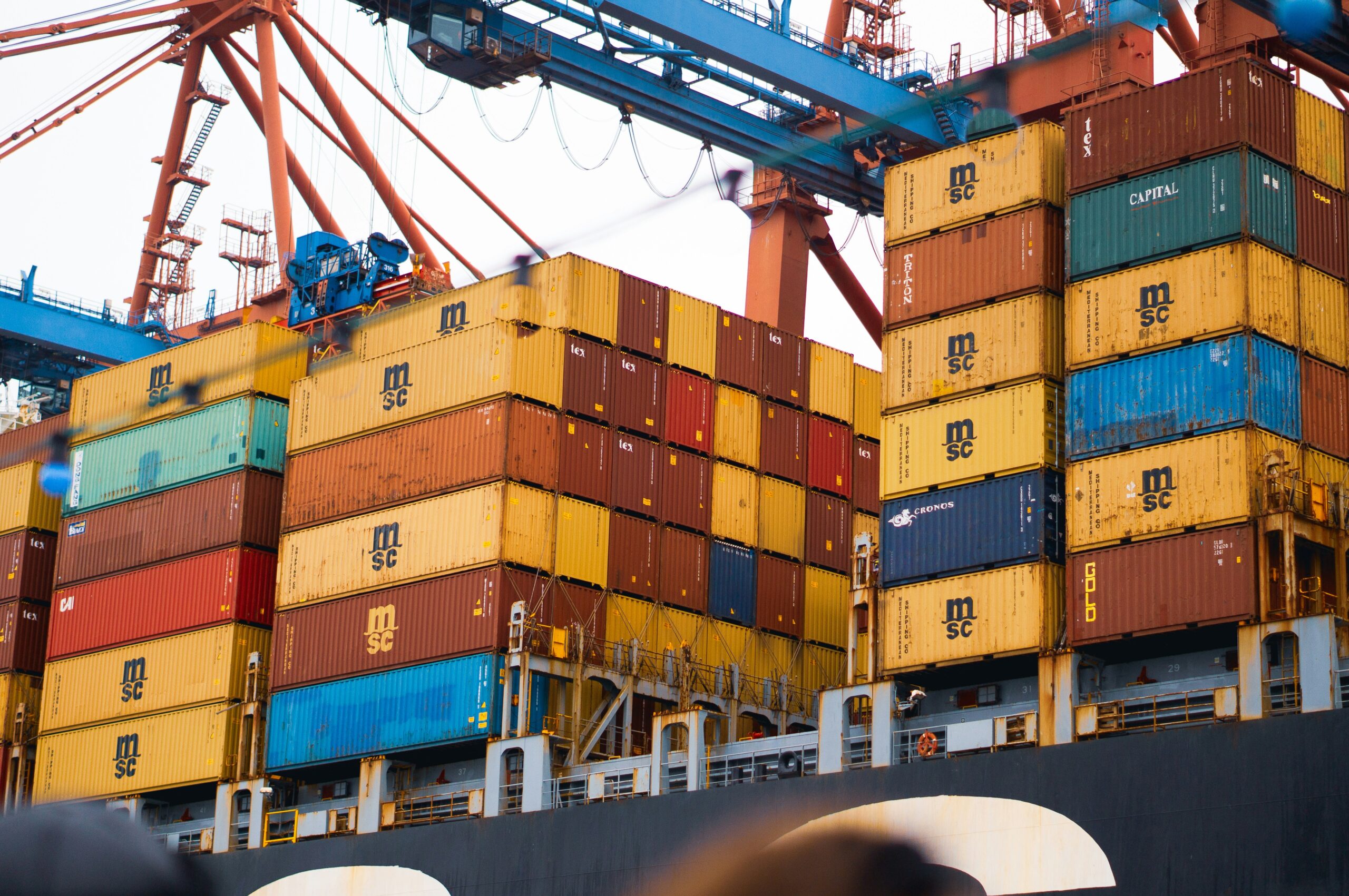
Hungary, a key trading hub for the European Union (EU), is tucked away in Central Europe. Hungary’s import tariff system closely resembles that of the rest of Europe as it follows the Union’s unified customs structure as an affiliated country. Nonetheless, the nation’s import processes are especially important because of its distinct location and its function as a transit hub for products bound for Eastern Europe and beyond. This essay provides a unique and thorough summary of the subject while delving into the complexities of import taxes in Hungary.

Hungary’s strategic role in trade
Hungary is a major actor in international trade because of its location at the intersection of Europe. The nation is connected to important European markets and beyond by its transport infrastructure, which includes its road and rail networks. The common customs laws of the EU must be followed when importing goods into Hungary from outside the EU. While the nation levies import tariffs on goods from non-EU nations by the EU’s Common External Tariff, the EU Customs Union does away with customs duties between member states.
The basics of import duties in Hungary
Taxes imposed on products coming into the nation from outside the EU are known as import tariffs. The EU’s larger economic policy to control the flow of commodities and safeguard home industries includes these tariffs. The kind of products being imported, their value, and their place of origin are some of the variables that affect the rate at which import tariffs are levied. Hungary’s tariff system protects companies and consumers by ensuring that imported goods meet EU criteria.
The role of the EU Customs Union
Hungary benefits from free trade with other EU nations as a member of the EU Customs Union. Customs inspections and duties are not applied to products exchanged between Hungary and other members. However, taxes based on the EU’s Common External Tariff, which sets uniform rates throughout the Union, apply to imports from non-EU nations. This strategy promotes unity among EU countries while enabling Hungary to retain a uniform and balanced approach to imports.
Exemptions and special tariffs
Imported goods may occasionally qualify for reduced tariffs or duty exemptions. Goods from specific regions may be able to enter Hungary with reduced or no tariffs because of the EU’s many free trade agreements (FTAs) with other nations. Exemptions may also be available for products that fall within particular categories, such as humanitarian relief, or that satisfy particular safety or environmental requirements. To avoid paying needless taxes, importers should be aware of these exclusions.
The customs declaration process
The National Tax and Customs Administration (NAV) requires importers to file a customs declaration before bringing goods into Hungary. The value, origin, and categorization of the items are all disclosed in this statement. Because Hungary uses an electronic system for toll declarations, the procedure is more efficient and transparent. The NAV’s online portal, which is intended to lower the possibility of mistakes and promote effective processing, is where importers may submit their declarations.
VAT and additional charges
Hungary levies value-added tax (VAT) on the majority of imported items in addition to import tariffs. Hungary has one of the highest standard VAT rates in the EU, at 27%. However, certain sectors, including food and pharmaceuticals, have lower rates of 5% or 18%. The entire worth of the products, including import duties, shipping charges, and insurance premiums, is used to compute the VAT. The total cost of imported goods may be greatly impacted by this extra tax, therefore importers should be ready to account for it when setting their prices.
Enforcement and compliance
The NAV is in charge of making sure that both national and EU laws are followed in Hungary’s stringent customs enforcement. The correct processes must be followed by importers when filing customs declarations and making duty payments. Serious consequences, such as the seizure of goods, fines, or delays in customs clearance, may result from noncompliance. To guarantee seamless transactions and prevent issues, it is recommended that people and businesses collaborate closely with customs brokers or legal professionals.
The future of import duties in Hungary
Like the rest of the EU, Hungary’s import duty situation is always changing. Modifications to current free trade agreements or the creation of new ones might result in changes to customs processes and tariff rates. Furthermore, new tariffs or incentives targeted at encouraging greener products may be the outcome of sustainability initiatives and environmental concerns. To be competitive and compliant in a constantly shifting trade climate, Hungarian importers will need to keep up with these advancements.
Conclusion
To control the flow of products from outside the EU and safeguard the interests of both domestic businesses and consumers, import tariffs are a crucial component of Hungary’s customs system. It is essential to comprehend Hungary’s import tariff structure whether you are an individual bringing personal belongings into the nation or a firm importing things for business use. With a unified and uniform approach from the EU Customs Union, Hungary continues to be a vital entry point for commerce into Europe. Businesses and individuals may maximize Hungary’s strategic position in international commerce and guarantee seamless operations by managing the intricacies of import tariffs.
You may also find these articles helpful