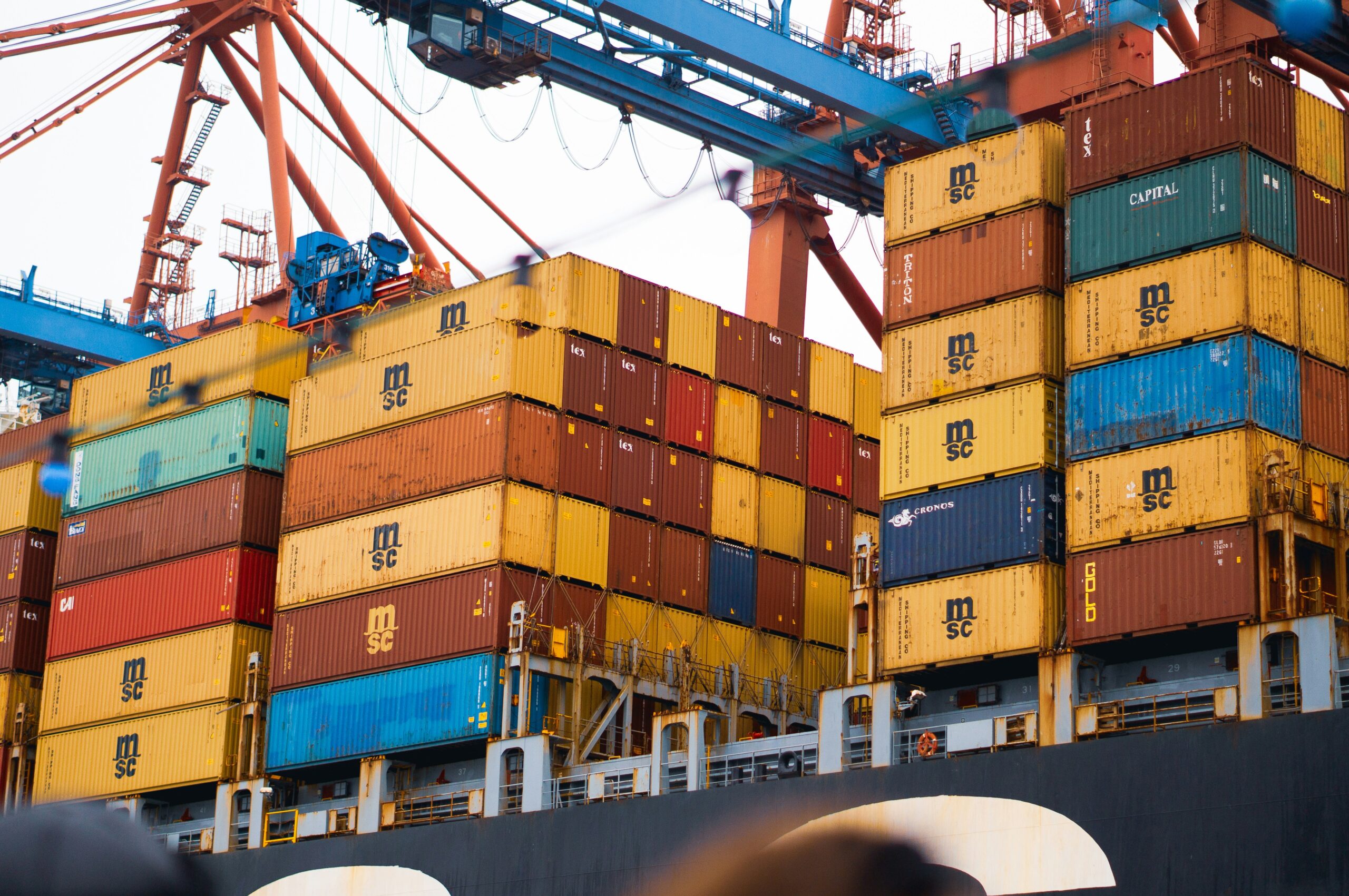
Import and export duties and Value Added Tax (VAT) are not applicable to goods transiting through Latvia. Import rates apply to the origin and to the type of goods imported. As a member of the WTO and EU, Latvia applies the rating practices needed by these organizations. Import tariffs are dependent on and regulated as an EU member state of the pertinent EU-U.S. bilateral agreements. The movement of goods between Latvia and the other European countries is free of import or export tariffs.

Customs duty exemptions are allowed by the Customs Law and foreign investors usually exempt the temporary import of goods. In the capacity of a member of the European Union (EU), Latvia is bound by the EU’s Common Customs Tariff (CCT). That essentially means import duties on goods entering Latvia tend to match the EU’s tariff rates.
Key points about import duties in Latvia
They include the following:
Low Tariffs
The import tariffs of Latvia are generally low, especially when to other EU member states.
Common customs Tariff
The EU’s Common Customs Tariff, which unifies all tariffs levied on goods imported into the EU, is applied in Latvia.
Free trade agreements
Rigas has to belong to many free trade agreements which impose or eliminate, or at least further reduce import duties on particular countries’ products.
Origin rules
Goods to enjoy preferential tariffs under free trade agreements must meet certain criteria of origin.
Customs Clearance
Clearance of customs in Latvia can be a complicated process, and we recommend having someone who will take care of it to prevent delays.
Customs Duties
Like all the EU countries, Latvia applies the EU’s Common Customs Tariff on goods imported from outside the EU. Rates vary between 0% and 14% depending on the type of product. Tariffs on some goods can be higher for ag products and textiles; other electronics and raw materials might be duty-free.
Value Added Tax (VAT)
All goods and services in Latvia, except for a couple of zero-rated items, are subject to the standard VAT rate of 21%. Certain products (e.g. books, and medical products) have reduced rates of 12%.. Such VAT is based on the total import value, including goods cost, insurance and freight (CIF) and applicable customs duty.
Excise Duties
Latvia imposes excise duties on alcohol, tobacco, fuel and energy products. Rates vary by product type. For example:
- Alcohol: Depending on the type of alcohol (beer, wine or spirits).
- Tobacco: By weight or per unit of cigarettes.
- Fuel: Depending on the type and quantity of fuel.
Preferential Trade Agreements
Goods imported from countries that have a free trade agreement (FTA) with the EU may be eligible for zero, or reduced, tariffs. Latvia enjoys the EU’s huge network of FTAs, with agreements, for example, with Canada, Japan, and the UK. In many cases, a certificate of origin is required to claim these reduced tariffs.
Customs Documentation
If preferential tariffs are being claimed importers in Latvia have to give documentation such as commercial invoice, bill of lading, packing list, and certificate of origin. Some products may, in addition, require additional licenses or certifications.
Businesses can consult the EU’s TARIC database for exact tariffs and duties and for up-to-date information on tariffs and import requirements for specific goods.
Combined Nomenclature
Products brought into the EU have to be declared to customs based on their classification in the Combined Nomenclature (CN). The CN document is updated and published every year, and the latest version can be found on the European Commission`s website: The Combined Nomenclature European Commission
The average tariff on U.S. exports to the EU is just three percent. When you have to import a product into the customs territory of the EU. There are different rules depending on what the product is. U.S. exporters should consult “The Integrated Tariff of the Community,” called TARIC (Tarif Intégré de la Communauté), to find out which rules apply to a specific product. To know if a license is needed for a specific product, look at the TARIC.
The Directorate-General for Taxation and the Customs Union’s interactive website features an interactive search through the TARIC by country of origin, Harmonized System (HS) Code, or product description. The TARIC is updated daily online.
Procedure of customs check or other product regulations
As a member of the European Union (EU), Latvia uses the European Union (EU)’s Common Customs Tariff and applies the EU standard VAT and excise duties to imported goods.
You may also find these articles helpful