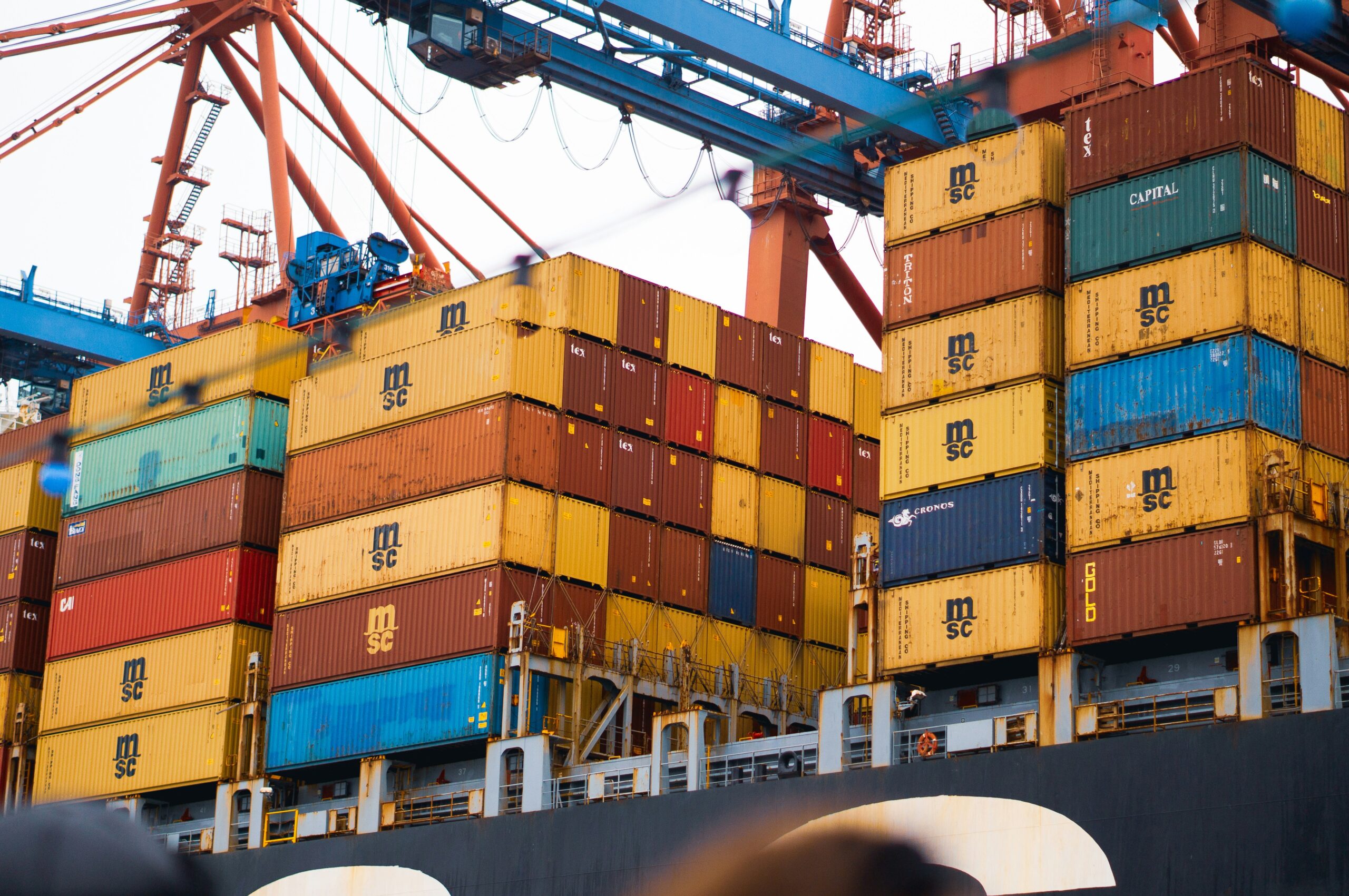
A large portion of Honduras’ domestic market and industrial operations are supported by imports. In Honduras, import taxes are an important source of income for the government, trade control, and economic growth.

The Honduran import duties structure
Based on the kind and classification of commodities, Honduras determines duty rates using the Harmonized System (HS) of categorization. The prices change based on the products’ categorization and intended purpose. Basic agricultural inputs, medications, and staple foods are examples of essential items that often have low or nil tariff rates in order to encourage accessibility and affordability. Industrial machinery, raw materials, and manufacturing components are examples of intermediate commodities that are subject to reduced tariff rates in order to promote the expansion of domestic industries. To manage spending and raise more money, luxury goods and items that aren’t necessary—like high-end electronics, alcohol, and fancy cars—are taxed at higher rates. Honduras has made its tax rates simpler, with most ranging from 0% to 35%, as part of its promise to follow regional and international trade agreements.
Additional taxes on imports
The following are some additional taxes and fees that Honduras levies on imported goods in addition to import duties:
VAT (Value-added tax)
For the majority of imported items, a normal 15% VAT is charged. There may be a greater VAT on certain goods, such tobacco and alcoholic drinks.
Excise taxes
To control consumption and generate extra money, excise taxes are applied to certain commodities, such as luxury goods, energy, and some drinks.
Customs service fees
The kind and value of the imported items determine the fees, which pay administrative expenses.
VAT, import taxes, and other levies taken together may have a big impact on how much things end up costing on the home market.
Exemptions and free trade agreements
Honduras has embraced trade liberalization and is a party to a number of regional and global trade agreements that provide qualified products import duty exemptions or reductions. Key agreements consist of:
Central America free trade agreement (CAFTA-DR)
Many items imported from the US and other members are subject to lower or zero tariffs under this agreement, which encourages investment and commerce between the parties.
Free trade agreement with other parties
Agreements that Honduras has with the European Union, Canada, and a number of Latin American nations lower duties on certain imports from these areas.
Tax exemptions for special sectors
Companies that work in export-focused sectors, such industrial parks and free trade zones, are excluded from paying taxes on inputs, equipment, and raw materials.
Furthermore, contributions and humanitarian assistance from reputable international organizations are usually free from import taxes and tariffs in order to help relief and development initiatives.
Customs procedures in Honduras
In Honduras, the Honduran Customs Administration (called Dirección Adjunta de Rentas Aduaneras or DARA) is responsible for managing taxes on imported goods. To get their goods through customs, importers need to follow these steps:
Document submission
Important papers such the bill of lading, commercial invoice, certificate of origin (if applicable), and customs declaration forms must be provided by importers.
Remittance of taxes and duties
It is necessary to pay all relevant tariffs, VAT, and other taxes before the items may be released.
Inspection and verification
To verify the accuracy of information reported and to make sure rules are being followed, customs officials may physically check goods.
Electronic platforms and risk-based inspection methods have been used by Honduras to increase productivity and decrease customs processing delays.
Economic impact of import duties
In Honduras, import taxes are an important part of the national economy. The tariff framework shields domestic companies from international competition, and the money raised goes toward funding infrastructure improvements and public services. On the other hand, excessive taxes and tariffs on certain commodities might raise costs, which will affect both companies and consumers. Trade agreements and exclusions, on the other hand, promote exports, investment, and economic integration with local and international markets.
You may also find these articles helpful
Foreign diplomatic relations of Honduras