Liechtenstein, a microstate that lies between Austria and Switzerland, is well-known for its stunning scenery, strong economy, and booming industrial sector. Even though its small size may indicate that it has little worldwide clout, Liechtenstein excels in trade. This principality has an extremely efficient and effective production process that is based on an innovative and precise culture. Everything you need to know to export commodities from Liechtenstein successfully will be covered in this tutorial.
Step 1: Understand Liechtenstein’s export landscape
It’s critical to comprehend what makes Liechtenstein’s commerce ecology distinct before beginning the export process:
- Industries leading the charge
Engineering, technology, and medical technology are among the high-tech sectors that propel Liechtenstein’s economy. Businesses such as Hilti and Ivoclar Vivadent have established standards for excellence and creativity, which has led to a global demand for their goods.
- Trade partners
China, the United States, and Germany are important export markets. Liechtenstein products are prized for their accuracy and dependability, which makes them especially desirable in sectors like medical care, technology, and construction.
- Currency and customs union
The principality uses the Swiss franc (CHF), which adds stability and simplifies transactions with Switzerland and other countries trading in stable currencies. Additionally, its customs union with Switzerland streamlines border procedures for exporters.
Step 2: Register your business for export
To export goods from Liechtenstein, businesses must ensure they are properly registered. The process involves:
- Obtaining a business license
Businesses operating in Liechtenstein must secure a commercial license from the Office of Economic Affairs.
- Registering for VAT
Exported goods are typically zero-rated for VAT, but businesses must still be registered for VAT compliance within the EEA framework.
- Identifying customs codes
To ascertain the proper obligations and paperwork requirements, classify your items using the Harmonised System (HS) codes.
Step 3: Navigate export documentation
Exporting goods from Liechtenstein requires thorough documentation to ensure smooth customs clearance. Key documents include:
- Commercial invoice
A detailed invoice stating the nature of the goods, their value, and terms of sale.
- Packing list
A comprehensive list of items included in the shipment, is particularly useful for large or diverse orders.
- Certificate of origin
This document verifies that the goods originate from Liechtenstein, which can be crucial for benefitting from preferential trade agreements.
- Export declaration
Submitted to Swiss customs authorities (acting on Liechtenstein’s behalf), this declaration provides detailed information about the shipment.
- Licenses or permits
Certain goods, such as medical devices or high-tech equipment, may require additional permits to comply with international regulations.
Step 4: Ensure compliance with international standards
Liechtenstein places a strong emphasis on adhering to international quality and safety standards. To ensure compliance:
- Verify that your products meet the regulatory standards of the destination country.
- Label products accurately, including language requirements for the target market.
- For sectors like pharmaceuticals or electronics, secure certifications such as CE marking or ISO compliance.
Step 5: Choose the right shipping and logistics partner
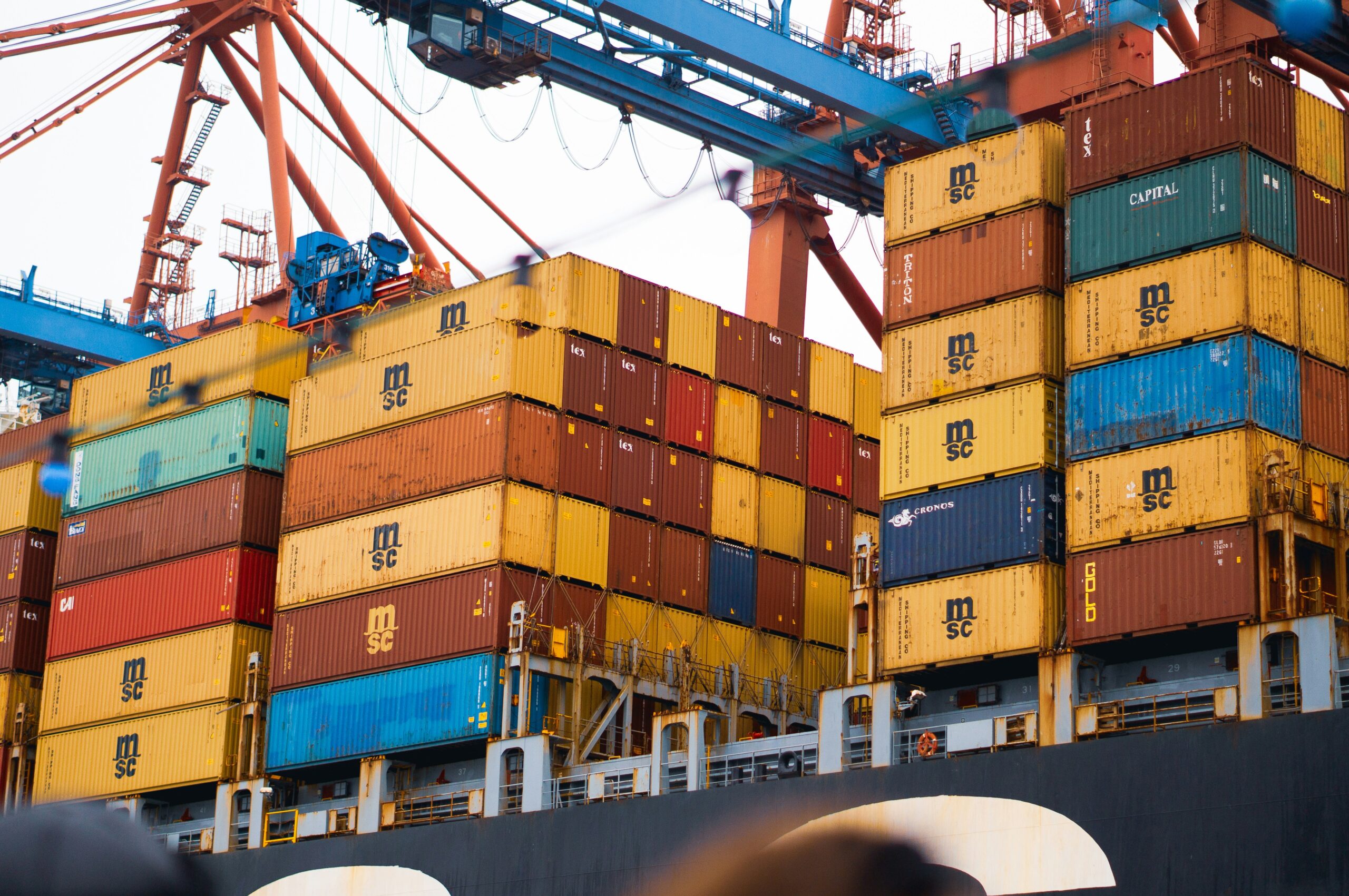
Liechtenstein’s landlocked location means goods are transported primarily via road, rail, or air through neighboring Switzerland. Partnering with a reliable logistics provider is essential.
- Customs brokerage
Given Liechtenstein’s customs union with Switzerland, goods are processed through Swiss customs authorities. Engaging an experienced customs broker can streamline this step.
- Transport options
Choose a mode of transport that aligns with your budget and delivery timelines. While road and rail are cost-effective for Europe, air freight is ideal for high-value, time-sensitive shipments.
- Warehousing and distribution
Consider utilizing Switzerland’s advanced warehousing infrastructure for storing and distributing goods to international markets.
Step 6: Leverage trade agreements
Liechtenstein benefits from a wide array of trade agreements due to its EEA membership and customs union with Switzerland. These agreements offer:
- Reduced tariffs on goods exported to EU countries.
- Simplified customs procedures for markets such as the UK, US, and Canada.
- Access to trade dispute mechanisms to protect exporters.
Final thoughts
Although exporting products from Liechtenstein may appear complicated at first, it is a lucrative undertaking due to the nation’s effective processes, advantageous location, and strong industrial base. Businesses can unleash the enormous potential of international trade from this tiny but powerful principality with careful preparation, a dedication to effectiveness, and proper relationships.
Liechtenstein’s export success story is one of ingenuity and precision, and as an exporter, you can be part of this thriving legacy. Whether you’re shipping microprocessors to Silicon Valley or dental equipment to Berlin, the principality ensures that your journey from idea to international market is as seamless as its scenic alpine vistas.
You may also find these articles helpful
TRADE AGREEMENTS IN LIECHTENSTEIN
Exporting goods from Sudan – full guide
Exporting goods from Zimbabwe – full guide