In international trade, Lithuania, a little Baltic jewel with a rising reputation for trade and inventiveness, outperforms its peers. The nation, which is ideally situated between the East and the West, has developed into a major center for global commerce. Modern facilities, a trained workforce, and clear rules define the business climate in Lithuania if you’re thinking about exporting goods. Everything you need to know about exporting products from this vibrant nation is right here.
Reasons to export from Lithuania
The geographical position of Lithuania is a big plus. Lithuania is an entry point to marketplaces in the EU and Asia, since it shares borders with Belarus, Poland, and Latvia, and has direct access to the Baltic Sea. Free commerce Agreements (FTAs) provide manufacturers an advantage in many international markets, while inclusion in the European Union facilitates commerce with other EU countries.
Lithuania has a broad recognition for producing high-quality products; its export portfolio is dominated by IT, textiles, food items, and equipment. Additionally, Lithuania is frequently ranked well for ease of conducting business by the World Bank, which attracts exporters.
Step 1: Understanding the legal framework
Navigating both local and EU restrictions is necessary when exporting from Lithuania. Registering your company with the Lithuanian Centre of Registers is the first step. To manage customs procedures after registry, your business will require an Economic Operator Registration and Identification (EORI) number.
Key resources include:
- The Lithuanian Customs Department
- The EU Export Helpdesk
Step 2: Navigating customs and tariffs
Customs filings are an essential step when exporting to nations outside the EU. The Union Customs Code (UCC), which unifies practices among all EU countries, governs Lithuania’s operations as a member state.
Here’s how to proceed:
- Determine tariff codes
To categorize your items and determine the necessary tariffs, use the TARIC system.
- Prepare a customs seclaration
This contains information on the products’ origin, value, and final destination.
- Use the customs clearance portal
Online submissions are made easier by the Lithuanian Customs Electronic System (LITAR).
Work with freight forwarders or customs brokers who are knowledgeable about Lithuanian processes to ensure seamless operations.
Step 3: Shipping and logistics
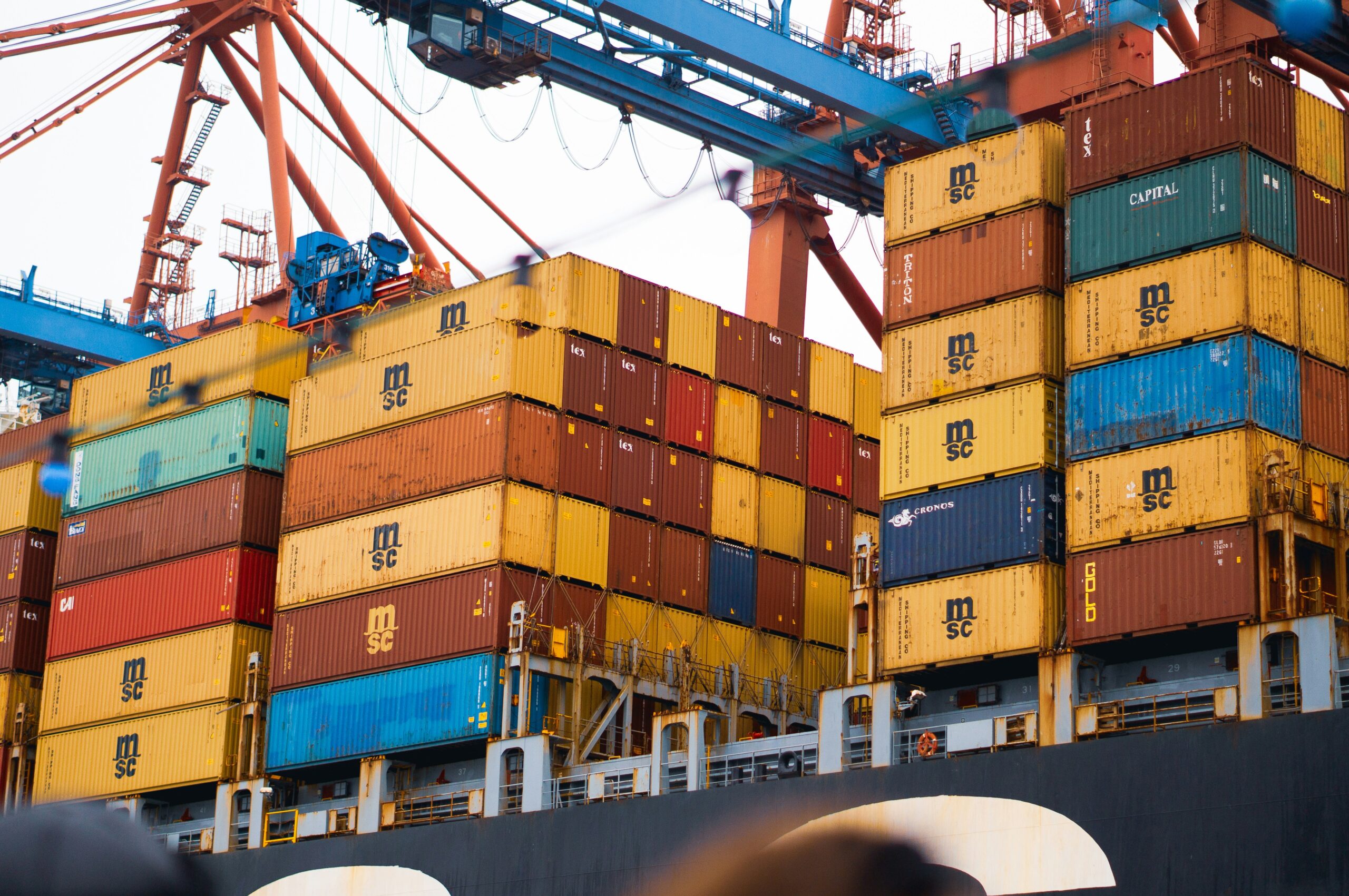
Shipping is efficient because of Lithuania’s strong transportation system. The nation is home to the ice-free port of Klaipėda, three sizable international airports, and an extensive rail network.
- Sea freight
Providing direct connections to Scandinavia, Western Europe, and Asia, Klaipėda is a significant container shipping center.
- Road and rail
With its smooth connections to the Trans-European Transport Network, Lithuania’s rail system offers a land route to its neighbors.
- Air freight
With frequent cargo flights, Vilnius Airport is a great choice for exports that must be completed quickly.
Step 4: Leveraging trade agreements and incentives
Several Free Trade Agreements (FTAs) concluded by the EU help Lithuania by lowering tariffs and other trade restrictions on exports to several nations. China, Norway, and the United States are important trading partners.
Additionally, the government provides exporters with monetary rewards. Enterprise Lithuania, a government organization, offers programs that promote foreign exhibits, trade trips, and market studies.
The Export Credit Guarantee Institution (INVEGA) of Lithuania also assists in reducing the financial risks connected to breaking into new markets.
Step 5: Understanding cultural and market nuances
Knowing your target market is essential to export success. Every place has its traditions, tastes, and laws. Building enduring relationships and creating thorough documentation is crucial since Lithuanians are renowned for their rigorous approach to trade.
Working with regional distributors or brokers can make market access easier for non-EU markets. They will broaden your reach while assisting you in navigating the cultural and legal environment.
Step 6: Sustainability and innovation
Lithuania is a pioneer in creative and ecological solutions. Including sustainability in your export plan enhances the perception of your business while also keeping up with worldwide trends. For instance, to attract foreign customers, Lithuanian food exporters frequently highlight eco-friendly packaging and organic cultivation.
Final thoughts
Because of Lithuania’s effective processes, advantageous location, and encouraging business climate, exporting from the nation is a smooth and profitable process. Lithuania provides a strong basis for accessing international markets, whether you’re transporting handcrafted goods or sophisticated gear.
Your company may fully realize Lithuania’s export potential by choosing the correct logistics collaborators, utilizing trade agreements, and comprehending the regulatory environment. As you bring your Lithuanian products to the global market, be ready, make plans, and succeed.
Lithuania is a starting point for international trade, not merely a location on a map. Now is the time to seize its opportunities!
You may also find these articles helpful
Exporting goods from Sudan – full guide
Exporting goods from Zimbabwe – full guide