With its abundant natural resources and rich cultural legacy, Honduras is a Central American country that has gradually become recognized as a major actor in global commerce. It is a desirable center for export endeavors due to its advantageous location, wide range of products, and government backing. This article will help you take the necessary actions to be successful if you’re thinking of exporting goods from Honduras.
The export potential of Honduras
Honduras is well-known for its abundant natural resources and superior exports. Tropical fruits from the nation, such as melons, pineapples, and bananas, are widely available in international markets. Other important exports that are prized for their outstanding quality include coffee, prawns, and palm oil. In addition to agricultural products, Honduras exports industrial items, textiles, and even handcrafted crafts. A crucial initial step is figuring out which items your target market wants.
Understanding trade agreements
Numerous trade agreements that promote exports are advantageous to Honduras. The Central America-Dominican Republic Free Trade Agreement (CAFTA-DR), which it has with the United States, lowers or does away with duties on a wide range of goods. Furthermore, Honduras has agreements with neighboring areas and the European Union, which provide access to a variety of markets. Making use of these agreements can increase the profitability and competitiveness of your exports.
Registering your business for export
You must make sure your company is correctly registered if you want to export goods from Honduras. This entails acquiring a Taxpayer Identification Number (RTN) and a commercial license with the National Business Registry. Additionally, exporters need to register with the Ministry of Economic Development and the National Customs Authority (Aduanas Honduras). The legal basis for exporting your products is provided by these actions.
Obtaining necessary certifications
For certain items to satisfy international standards, particular certifications are needed. Servicio Nacional de Sanidad e Inocuidad Agroalimentaria (SENASA) accreditation guarantees adherence to safety and quality standards for agricultural products. ISO certificates or other industry-specific paperwork could be necessary for manufactured items. In addition to fulfilling legal obligations, obtaining these certificates increases buyer trust.
Logistics and shipping options
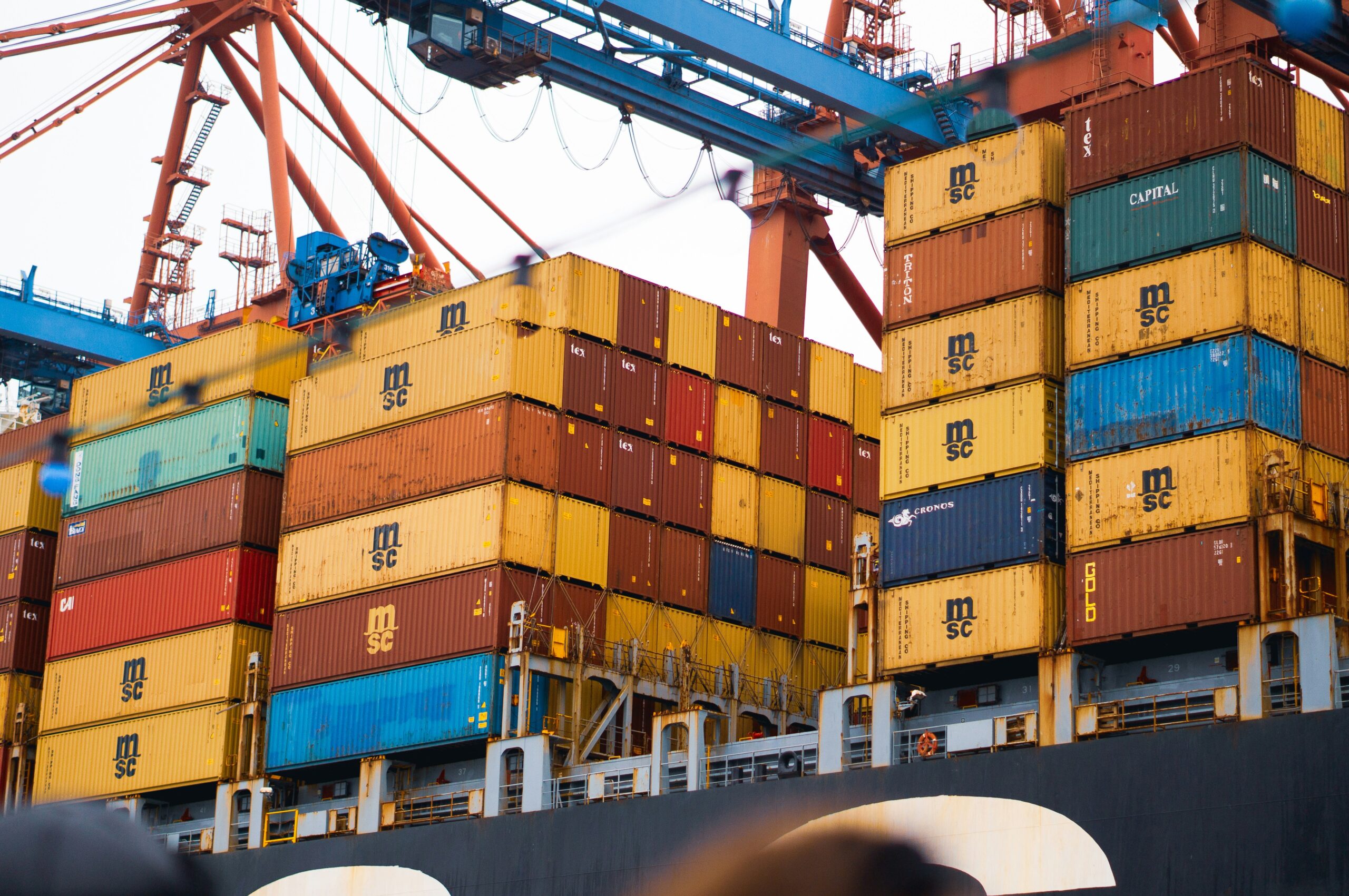
To facilitate exports, Honduras has a strong logistical network. Ramón Villeda Morales International Airport manages air freight, while Puerto Cortés and Puerto Castilla are important seaports for maritime cargo. Depending on the size, kind, and urgency of your items, pick a delivery option. Logistics can go more smoothly if you work with reputable goods forwarders who are aware of customs regulations.
Packaging and labeling guidelines
To fulfill international requirements and safeguard commodities during transit, proper packaging and labeling are crucial. Using protective materials that preserve quality and freshness is essential for agricultural exports. To avoid damage, manufactured items should be wrapped securely.
Product labels, origin, size, certifications, and any security cautions are just a few examples of the comprehensive information that must be included on labels. Nutritional data and time limits are frequently needed for food goods. In addition to guaranteeing compliance, accurate labeling draws customers with its polished appearance.
Marketing your products globally
Strategic marketing is necessary to have a significant presence in global marketplaces. Take part in expos and trade shows to promote your goods and build connections with potential customers. To reach customers throughout the world, use digital platforms such as Amazon, Alibaba, or your e-commerce website. Promoting Honduran goods, particularly handcrafted goods that highlight cultural history, may also be greatly aided by social media.
Financing your export operations
Exporting necessitates a sound financial strategy. Banks, government initiatives, and international organizations provide finance to Honduran exporters. Exporters can obtain loans from Banco Hondureño para la Producción y la Vivienda (BANHPROVI), and financial assistance is provided by international initiatives such as the Inter-American Development Bank (IDB). Letters of credit and other secure payment options can reduce the risks associated with cross-border transactions.
Navigating customs procedures
A crucial aspect of exporting products is navigating customs. Exporters are required to fill out a Customs Declaration Form and provide supporting paperwork, such as packing lists, invoices, and certificates of origin, to Honduras. Working together with customs brokers can streamline the procedure and guarantee adherence to rules. Timely delivery of products to customers is guaranteed by effective customs handling.
Overcoming export challenges
There are several obstacles to exporting from Honduras, including shifting political environments, competitive international markets, and varying infrastructure. However, with diligent preparation, these difficulties may be overcome. Overcoming challenges requires making investments in supply chain management, keeping up with industry developments, and cultivating enduring bonds with purchasers and logistical partners.
You may also find these articles helpful
Foreign diplomatic relations of Honduras
Exporting goods from Singapore – full guide