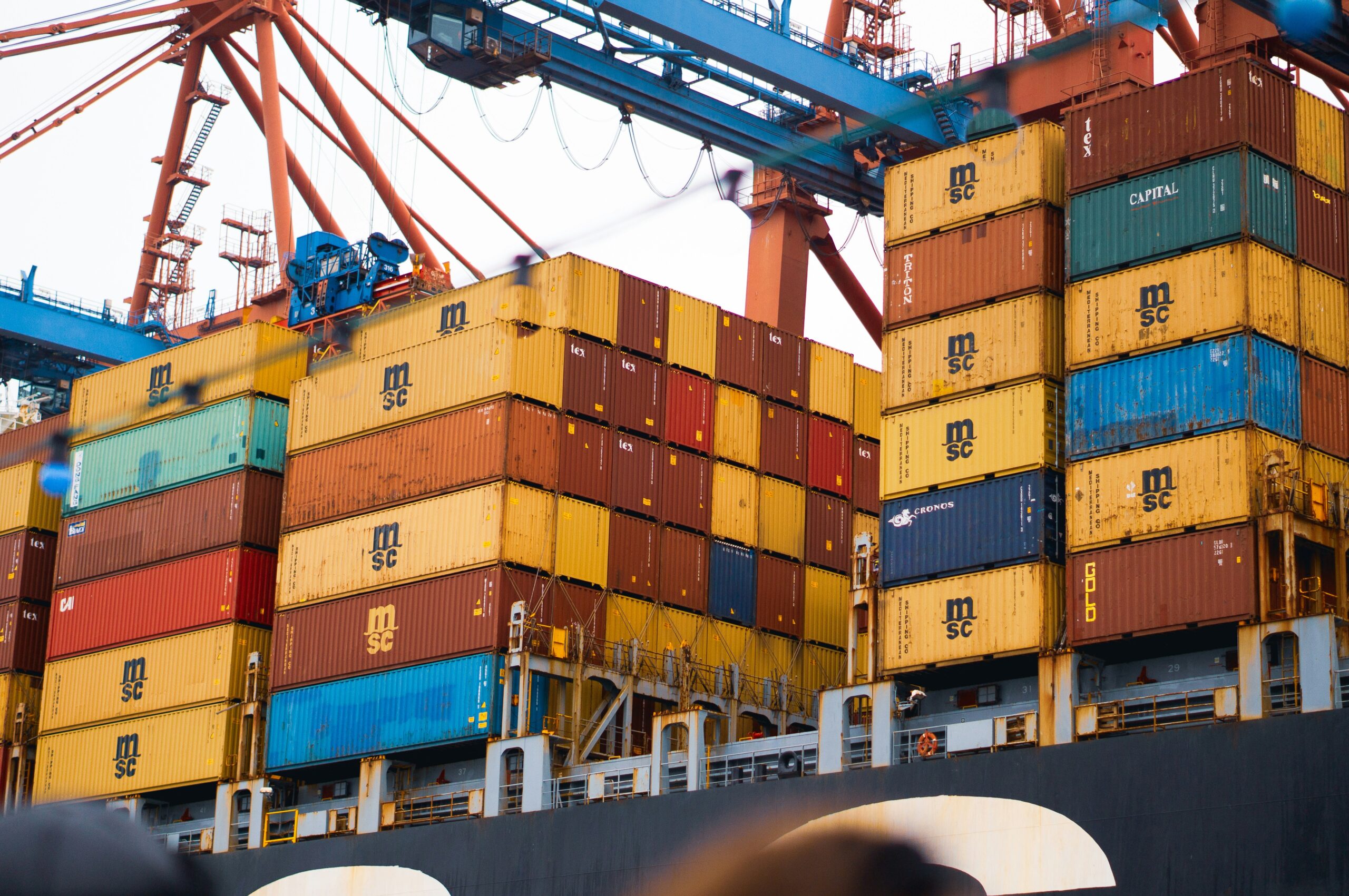
Nicaragua is the biggest continent in Central America and a major actor in global trade. Manufacturing, natural resources, and farming are the main drivers of its economy. The nation is a perfect center for exporting because of its advantageous position, which is bounded by the Pacific and Caribbean Seas. By making infrastructural investments, cultivating trade linkages, and assisting regional companies in accessing international markets, Nicaragua is likewise committed to strengthening its export capacities.
Key export products from Nicaragua
Nicaragua’s natural resources and agricultural legacy are major contributors to its exports.
- Coffee
High-quality Nicaraguan coffee is a top export and is particularly popular in the United States and Europe.
- Beef
The country exports premium beef to markets in the Americas and beyond.
- Seafood
Shrimp and lobster are key marine exports.
- Gold
As a natural resource, gold mining contributes significantly to export earnings.
- Textiles and apparel
These are manufactured in free trade zones, benefiting from low labor costs and favorable trade agreements.
These goods highlight Nicaragua’s dominance in light industry, mining, and agriculture.
Trade agreements and market access
Nicaragua takes part in several trade agreements that improve its ability to compete internationally:
- CAFTA-DR
The Central America-Dominican Republic Free Trade Agreement provides duty-free access to U.S. markets for many Nicaraguan goods.
- EU Association Agreement
Facilitates exports to European countries by reducing tariffs and promoting economic cooperation.
- CARICOM and ALBA Agreements
These agreements open trade channels with neighboring Caribbean and Latin American countries.
These agreements give Nicaraguan businesses a competitive edge by lowering tariffs and providing easier access to key global markets.
Understanding export regulations
Nicaraguan export laws are designed to guarantee quality, safety, and adherence to global norms. For example, agricultural items need to be certified to fulfill health and safety regulations, such as veterinary health certificates for animal products and phytosanitary licenses for plants. The government also controls the export of natural resources and raw materials, requiring permits for goods like lumber or gold. To manage these rules and prevent delays, exporters should collaborate closely with local authorities.
Preparing export documentation
For export processes to go smoothly, proper paperwork is essential. Important papers consist of:
- Commercial invoice
Details of the sale, including buyer and seller information, product description, and value.
- Packing list
Provides a breakdown of the shipment’s contents.
- Certificate of origin
Certifies the product’s origin, often required for preferential treatment under trade agreements.
- Bill of lading or Airway bill
Serves as a contract between the exporter and carrier.
- Export declaration
Filed with customs to declare goods for export.
Having accurate and complete documentation ensures compliance and minimizes customs processing times.
Logistics and shipping from Nicaragua
The logistical infrastructure of Nicaragua consists of roads, airports, and seaports. The majority of maritime freight is handled by important ports like Puerto Corinto on the Pacific coast, while Puerto Cabezas promotes trade on the Caribbean side. For valuable or urgent items, exporters also use Augusto C. Sandino International Airport for air freight. Nicaragua is connected to nearby markets in Central America by road. Effective shipping logistics management may be achieved by companies working with seasoned goods forwarders.
Tariffs and taxes on exports
Businesses in Nicaragua are encouraged to participate in international commerce since exports are often free from value-added tax (VAT). Nonetheless, exporters need to be mindful of the taxes and levies that importing nations charge. These tariffs are frequently lowered or eliminated by trade agreements like CAFTA-DR, increasing the competitiveness of Nicaraguan goods. To account for any import quotas, trade restrictions, or customs charges, exporters should investigate the particular needs of the destination nation.
Financing and insurance for exports
Businesses must control manufacturing, logistical, and regulatory expenses while exporting, which may be a capital-intensive process. International trade organizations and local banks provide export finance programs to Nicaraguan companies. To assist exporters in meeting orders, these programs offer working capital, loans, and guarantees. Export insurance also shields companies against risks like transit-related damage to products, nonpayment, or political unrest in the place of import.
Challenges and opportunities in exporting
Exporters in Nicaragua encounter both opportunities and challenges:
- Challenges
Difficulties may arise from legislative barriers, infrastructure constraints, and rivalry in international markets. Meeting international standards and obtaining funding can be difficult for small enterprises.
- Opportunities
New markets for Nicaraguan cattle, fish, and coffee are created by a rising need for excellent, ecologically friendly goods. Nicaragua is a desirable partner for foreign purchasers due to its advantageous location and trade agreements.
Companies are better equipped to overcome obstacles and take advantage of export prospects when they invest in branding, high-quality products, and effective logistics.
Conclusion
There is a lot of room for expansion in foreign markets through Nicaraguan exports. Businesses may effectively traverse the export process by utilizing trade pacts, following rules, and streamlining logistics. Nicaragua is well-positioned to expand its global commerce and supply premium goods to markets worldwide because of its wide variety of products and advantageous location.
You may also find these articles helpful
Foreign diplomatic relations of Nicaragua
Exporting goods from Singapore – full guide