At the Economic Cooperation Organization summit in Islamabad on July 17, 2003, a preferential trade region was established between Afghanistan, Azerbaijan, Iran, Kazakhstan, Kyrgyzstan, Pakistan, Tajikistan, Turkey, Turkmenistan, and Uzbekistan. This region is known as the Economic Cooperation Organization Trade Agreement, or ECOTA. The ECOTA is in force as of 2008. Afghanistan, Iran, Pakistan, Tajikistan, and Turkey have agreed to implement free trade zones by 2025 as part of the ECO Vision 2025 initiative.
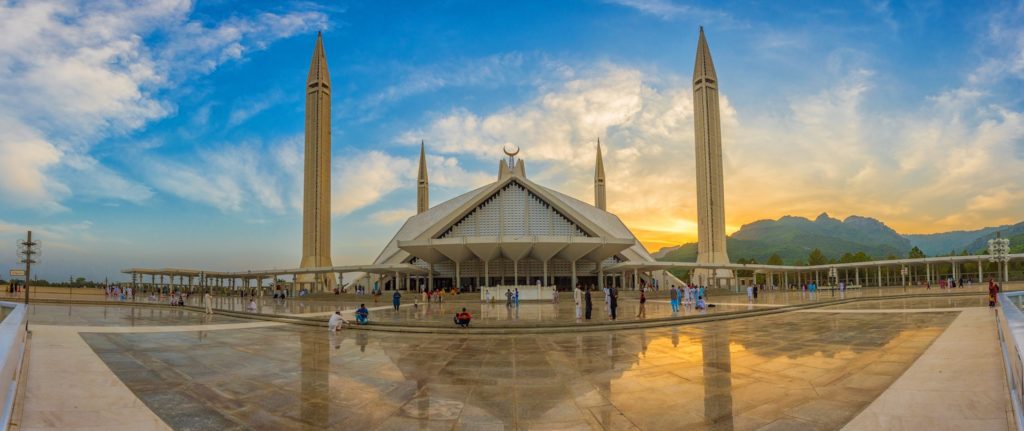
Economic Cooperation Organization (ECO)
The majority of ECO member nations are geographically close to one another and have strong historical and cultural ties. They were accustomed to having freedom of movement for economic reasons, but the creation of the colonial regime in the South Asian region strained these ties. These nations reestablished these ties at the end of the colonial era. Natural resources are abundant in almost all of the member nations. About 6.8% of the world’s crude oil is produced in these nations. Trade rose between 1998 and 2002, and exports of the nation’s hit a high of $94.6 billion in 2002.
The promotion of intra-ECO trade among ECO members
About 215 regional trade agreements were in operation between 2004 and 2006, and another 300 were in the works. The Regional Trade Agreements and Bilateral Trade Agreements of the members of the ECO accounted for 40% of the share of international trade during the first ten years of the twenty-first century. Improvements to the regulatory environment led to lower tariffs throughout the region, and efforts were made to turn the ECO zone into a Free Trade Area (FTA). All other items may be imported duty-free except for a small number of products.
ECO Trade Agreements
ECO countries signed the Economic Cooperation Trade Agreement (ECOTA) in July 2003. It was aimed at removing barriers to intra-regional trade and establishing the ECO region as an FTA by 2015. Out of the total number of ECO members, only five signed this agreement. Instead of taking eight years as originally planned, all member nations were excited about eliminating all trade obstacles in five. A gathering of specialists was organized in Islamabad in March 2005 to reach this goal and establish new ECO norms and regulations. After the meeting, all participants decided on a fast-track approach. They established ECO’s Rules of Origin and Anti-dumping Code and included sensitive products that were not covered by FTA. Member nations resolved to sign a “Fast Track” agreement in the following Council of Ministers and entered into an investment agreement for the following years. This agreement was crucial for the growth of ECO member nations, which is why the resuscitation of ECOTA attracted so much attention. The member nations of ECO placed a strong emphasis on getting rid of any barriers to commerce and regional prosperity. Views on regional and international concerns were also exchanged.
Trade policy
To promote trade, two ECO members, Pakistan and Turkey, cooperated on tradeable commodities. However, Iran, Tajikistan, and Afghanistan expressed certain misgivings, which created some difficulties in putting the agreement into practice. The agreement has consistently supported regional economic growth, especially in ECO member nations. By not blocking or increasing tariffs on the listed trade commodities, it was decided that only ECO member nations would benefit from the ECOTA agreement. Pakistan now exports and imports 1.3 billion and 1 billion dollars, respectively. Iran and Turkey both expressed a lack of interest in the ECOTA list of goods eligible for duty reduction during this discussion. Additionally, it was resolved that ECO nations would not impose new taxes or tariffs on the listed goods.