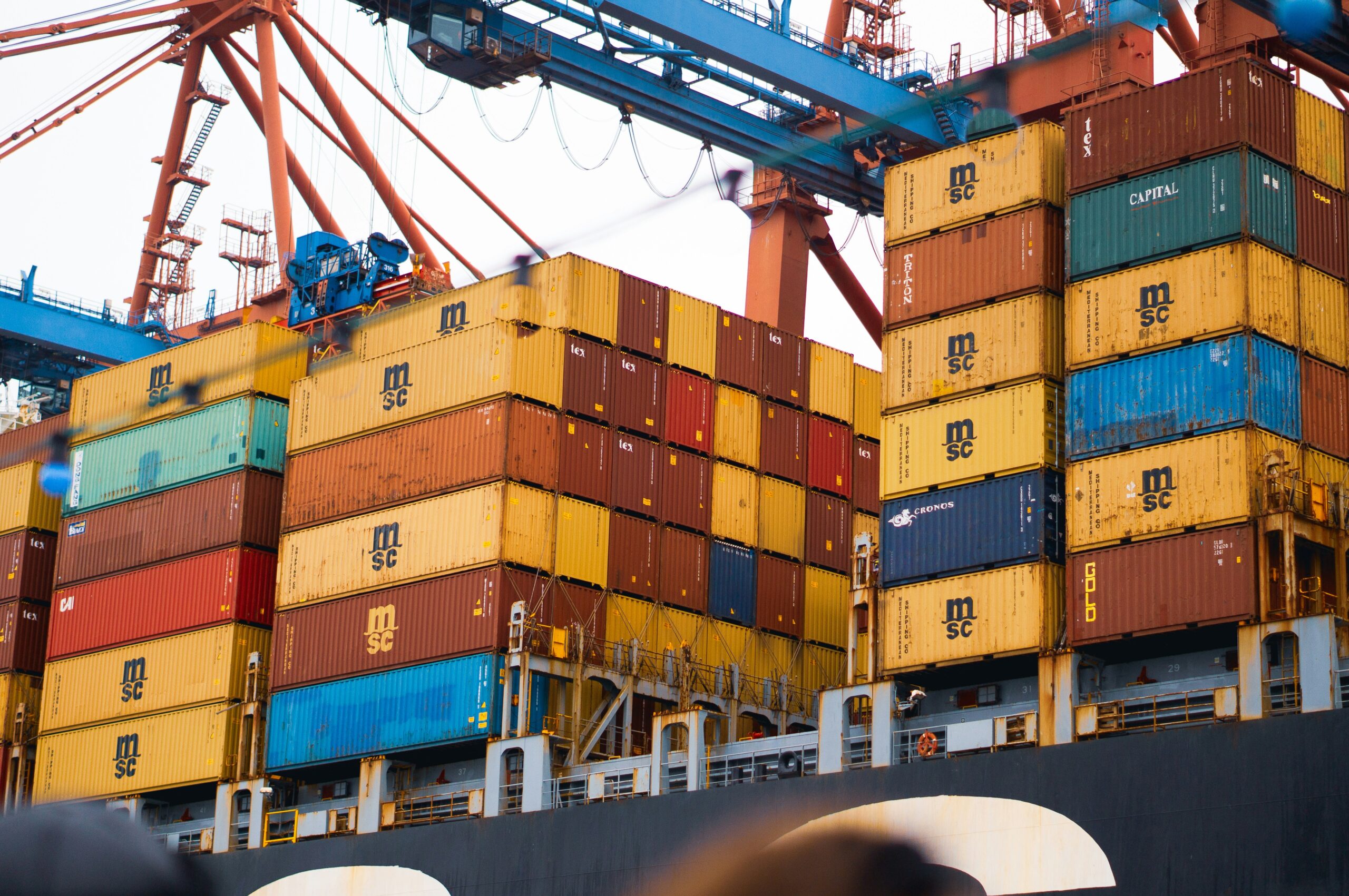
Known for its rich history, exquisite cuisine, and artistic creations, Italy leads the world in the export of luxury products, fashion, equipment, and food. In the Italian economy, exporting is vital, and companies wishing to grow abroad must handle a challenging but worthwhile procedure. An extensive rundown of the procedures required to export products from Italy is given in this guide.
Understanding export regulations
Italian companies who want to export their products have to abide by both national and international laws. Italy complies with EU trade regulations as a member of the EU, which makes it easier for commodities to flow throughout the EU. However, companies must take into account certain procedures such as export licenses, permits, and customs declarations when exporting to non-EU nations. Additional permits could be needed for some items, such as sensitive technology, cultural artifacts, and weaponry. It is crucial to comprehend these rules to guarantee effective and lawful exporting.
Selecting export markets
One important phase in the export process is selecting the appropriate markets. To find areas where their products are in demand, Italian exporters should carry out in-depth research. Analysis should be done on elements including customer preferences, market size, competition, and economic circumstances. Italian goods are widely sought after in places like North America, Asia, and the Middle East since they are frequently linked to quality and workmanship. The Italian Trade Agency (ITA) is one resource that exporters may utilize to learn about market trends and prospects.
Developing an export strategy
To succeed in global markets, a thorough export plan is essential. The company’s goals, target markets, price guidelines, and distribution networks should all be included in this plan. Companies should also think about possible obstacles including import limitations, taxes, and logistical difficulties. Italian companies may maintain their competitiveness and readiness for the challenges of international commerce by implementing a solid export plan.
Customs procedures and documentation
Italian companies must adhere to customs laws and produce correct documentation when exporting goods outside the EU. The commercial invoice, packaging list, export assertion, and document of origin are important papers. Businesses could also offer product-specific certificates, such as those for environmental requirements or food safety, if appropriate. Having the right paperwork reduces the possibility of delays or fines and guarantees a seamless customs clearance process.
Choosing the right shipping method
Delivering products to foreign markets requires effective logistics and transportation. Depending on the product’s kind, pricing, and delivery schedule, exporters must choose the best shipping option. Transportation options include road, rail, sea, and air. Because they take care of insurance, shipping, and customs officials, working with a reputable goods forwarder helps streamline the logistics process. Additionally, exporters should spend money on appropriate packaging to safeguard their products while in transit.
Navigating taxation and VAT rules
The tax laws governing the export of commodities from Italy must be understood by exporters. Businesses are often free from paying Value Added Tax (VAT) on exports to non-EU nations as long as they can show documentation of the shipment. The buyer’s VAT registration status determines the VAT regulations for EU destinations. Exporters should speak with tax experts or the Italian Revenue Agency (Agenzia delle Entrate) to make sure they comply.
Pricing and payment considerations
Achieving success in international markets requires setting pricing that is both lucrative and competitive. When setting export pricing, Italian exporters have to take into consideration several expenses, such as marketing, insurance, tariffs, and transportation. To reduce financial risks, businesses can also use safe payment options like bank guarantees or letters of credit. Additionally, while working with foreign currencies, it’s critical to comprehend exchange rates and any future adjustments.
Leveraging government support
Businesses wishing to export can receive assistance from the Italian government and other organizations. The Italian Trade Agency (ITA) offers support for connections, trade shows, and market research. As a member of the Cassa Depositi e Prestiti (CDP) Group, Simest provides loans and equity investments to assist companies in their global expansion. Both small and large businesses trying to break into new markets will find these materials to be quite helpful.
Building relationships with international partners
Successful exporting requires building trusting connections with suppliers, representatives, and other business partners. Italian exporters had to concentrate on developing long-term partnerships, comprehending cultural quirks, and establishing trust. A great approach to promote Italian goods and make connections with possible partners is to take part in trade events and exhibits.
You may also find these articles helpful
Exporting goods from Malaysia- full guide
Exporting goods from Sao Tome and Principe