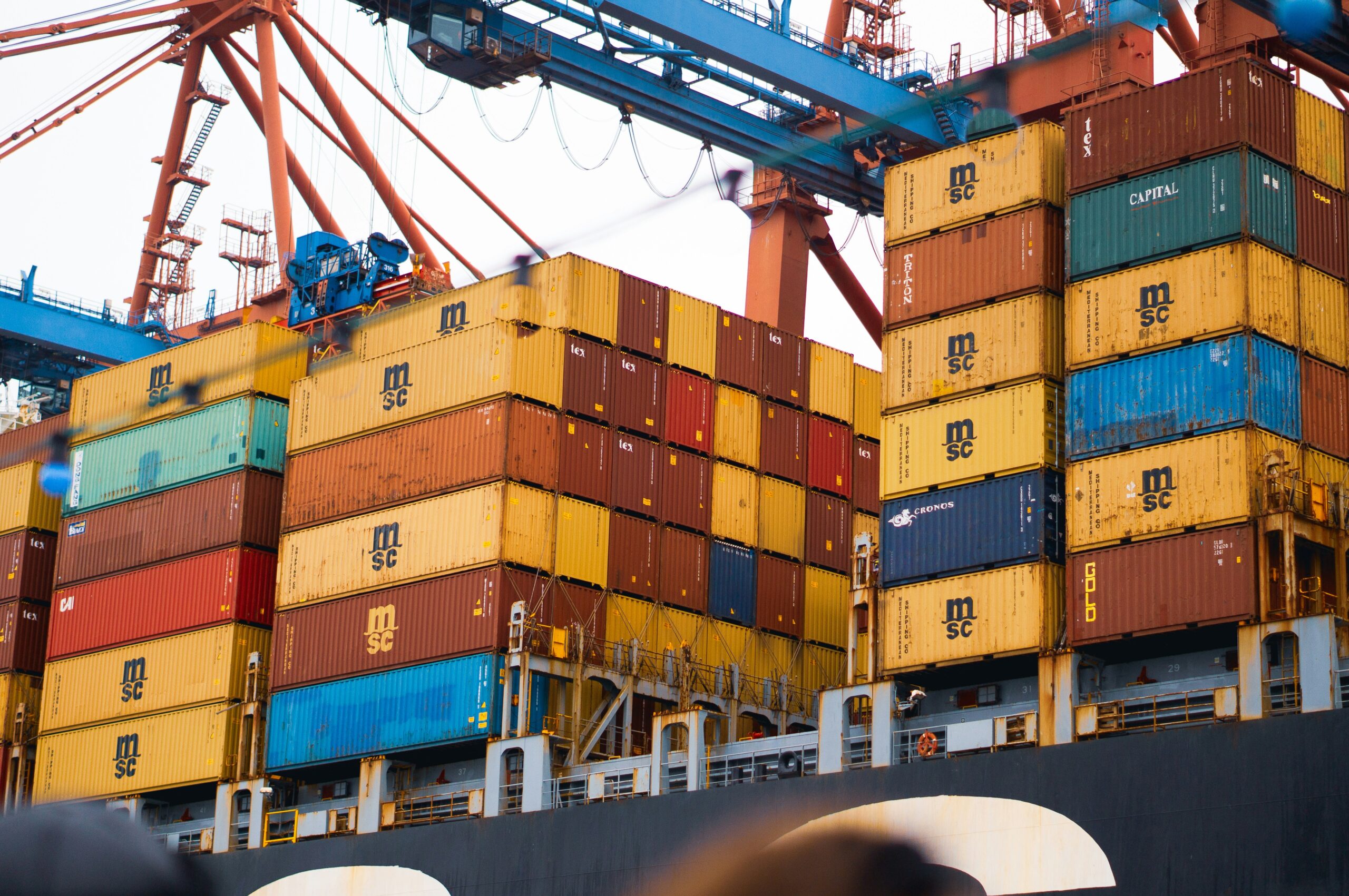
The charming island country of Malta in the Mediterranean is a major trading hub in addition to being a popular destination for tourists. Malta is well situated at the intersection of Europe, North Africa, and the Middle East, which makes it a great place to export commodities. Knowing the procedures and rules is crucial for navigating the world of global trade, regardless of whether you’re a local business owner or a foreign investor. You will learn the fundamentals of exporting products from Malta with this tutorial.
Reasons to export from Malta
Malta has robust trading relations with both Europe and other countries, and its economy is open. Malta benefits from having access to the EU’s single market as a member, which streamlines commerce among its 27 member states. Furthermore, Malta’s ports offer effective access to important international trade lanes thanks to their modern amenities.
Exporting from Malta offers several advantages:
- EU Membership
Seamless trade with EU nations without tariffs or customs barriers.
- Strategic location
A logistical advantage for shipments to Africa, the Middle East, and Asia.
- Advanced infrastructure
Well-connected air and sea ports ensure efficient transport of goods.
- Business-friendly environment
Competitive tax rates and trade agreements facilitate growth.
Key steps to export goods from Malta
The following are important steps for exporting goods from Malta:
- Register your business
Make sure your company is lawfully constituted in Malta before exporting. If you haven’t been formed yet, get advice on forming a limited liability company, partnership, or sole trader from the Malta Business Registry (MBR). Get a VAT number from the Commissioner for Revenue after registering; this is required for trading.
- Understand Malta’s export regulations
Local and international regulations, which differ according to the kind of commodities being exported, must be followed by exporters. Certain things, including medicines, agricultural goods, or cultural artifacts, could need certain licenses or certificates. To ensure compliance, check with the Customs Department or Trade Services Directorate regarding prohibited or sensitive items.
- Obtain an EORI number
A business must have an Economic Operator Registration and Identification (EORI) number to export goods outside of the EU. When interacting with customs officials around the EU, this unique identification is essential. Use the website of Malta’s Customs Department to apply for an EORI number.
- Classify your goods
Utilize the Harmonised System (HS) codes to categorize your items. The appropriate tariffs, taxes, and restrictions are determined in part by these globally recognized codes. Take your time to guarantee correctness because misinterpretation may result in penalties or delays.
- Prepare documentation
Careful documentation is necessary while exporting. Important documents consist of:
- Commercial invoice
Lists the buyer, seller, goods description, and price.
- Packing list
Details the contents of the shipment, dimensions, and weight.
- Export declaration
Mandatory for goods leaving the EU.
- Certificates of origin
Confirm where the goods were produced if required by the destination country.
- Transport documents
Bill of Lading or Airway Bill, depending on the shipping method.
Especially for bigger shipments, use a freight forwarder to help expedite this procedure.
Customs clearance process
When exporting products, clearing customs is an essential step. Exports from Malta to other EU nations often don’t need customs clearance. But for locations outside of the EU:
- Submit the Single Administrative Document (SAD) electronically.
- Pay any applicable duties and taxes.
- Ensure that goods meet the destination country’s import requirements.
Despite its reputation for speed, delays can occasionally happen at Malta’s Customs Department. To prevent needless obstacles, collaborate with a customs broker.
Exporting to Non-EU countries
Malta’s trade deals provide producers with lower tariffs and streamlined processes for non-EU markets. Among the notable accords are:
- EU Free Trade Agreements
Cover markets such as Canada, Japan, and South Korea.
- Bilateral Agreements
Facilitate trade with neighboring regions.
Investigate the import laws, tariffs, and limitations of the destination countries in detail. Utilise resources such as the EU Trade Helpdesk to obtain pertinent data.
Benefits of government support
The nation’s economic development organization, Malta Enterprise, supports exporters with a range of programs and incentives. These consist of:
- Financial grants for international trade fairs.
- Assistance with market research.
- Subsidies for export training programs.
The Chamber of Commerce also offers export consulting services and networking possibilities.
Overcoming challenges
Exporting can be complex, but proactive planning helps mitigate risks. Common challenges include:
- Fluctuating shipping costs.
- Regulatory hurdles in foreign markets.
- Currency exchange volatility.
Leverage Malta’s network of freight forwarders, trade consultants, and government resources to overcome these obstacles.
Conclusion
The favorable location, infrastructure, and trade agreements of Malta make exporting goods from the country an exciting way to access international markets. Businesses and entrepreneurs may confidently handle the exporting process by using this guidance, which guarantees seamless and successful transactions. Malta has a thriving trade environment that may help your business succeed globally if you prepare and support it properly.
You may also find these articles helpful
Exporting goods from Sudan – full guide
Exporting goods from Zimbabwe – full guide