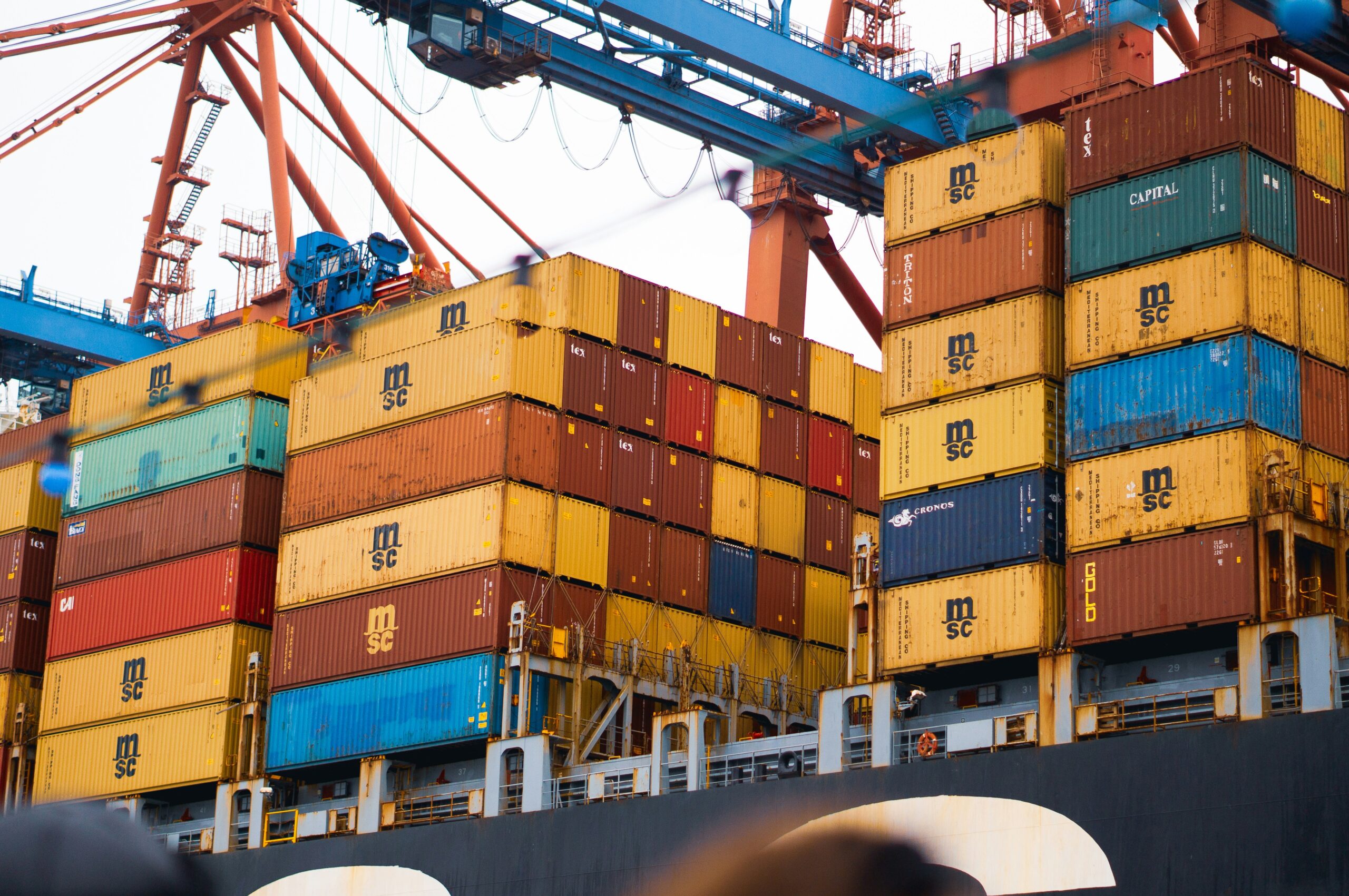
In the Caribbean, Martinique is a thriving French overseas protectorate that offers a distinctive fusion of tropical appeal and European refinement. Renowned for its crop exports, especially bananas, rum, and other tropical items, Martinique has a strategic position and favorable trade connections that make exporting a profitable business option. This manual examines the essential procedures, rules, and advice for exporting products from Martinique with success.
Key export products
Manufacturing and agriculture are the main drivers of Martinique’s export-based economy. The island is famous because of:
- Agricultural Products
- Rum
- Processed Goods
Taking advantage of Martinique’s EU membership, these products are sold to France, other EU nations, and international markets.
Trade agreements and advantages
Joining the European Union (EU) is advantageous for Martinique. Because of this, its exports can benefit from tariff-free access both inside the EU and to other areas through EU trade agreements. Additionally, trading with neighboring nations is made possible by Martinique’s closeness to the Americas.
Step-by-step guide to exporting from Martinique
The exporting process includes the following steps.
Step 1: Research and market analysis
Do some research on the demand for your goods abroad before exporting. Examine price, competition, and prospective market trends. Make use of resources such as online market analysis tools, export experts, and trade associations.
Step 2: Obtain required documentation
A few essential documents are needed when exporting from Martinique:
- Commercial invoice
Details of the transaction, including product description, value, and buyer information.
- Packing list
Lists the contents of shipments for customs inspection.
- Certificate of origin
Confirms the origin of goods, often necessary for preferential tariffs under trade agreements.
- Customs declaration
Required for goods leaving the EU. Export declarations can be filed electronically through the French customs system, ProDouane.
Step 3: Comply with EU regulations
Since Martinique is an EU region, its exports must comply with EU standards:
- Product standards
Ensure your products meet EU quality, safety, and environmental regulations.
- Labeling
Products must have clear and accurate labeling, including origin, content, and safety instructions.
Step 4: Choose the right shipping and logistics provider
Martinique’s geographic location makes shipping logistics critical. Exporters can use:
- Air freight
Ideal for small, high-value, or perishable goods. Martinique Aimé Césaire International Airport provides cargo services.
- Sea freight
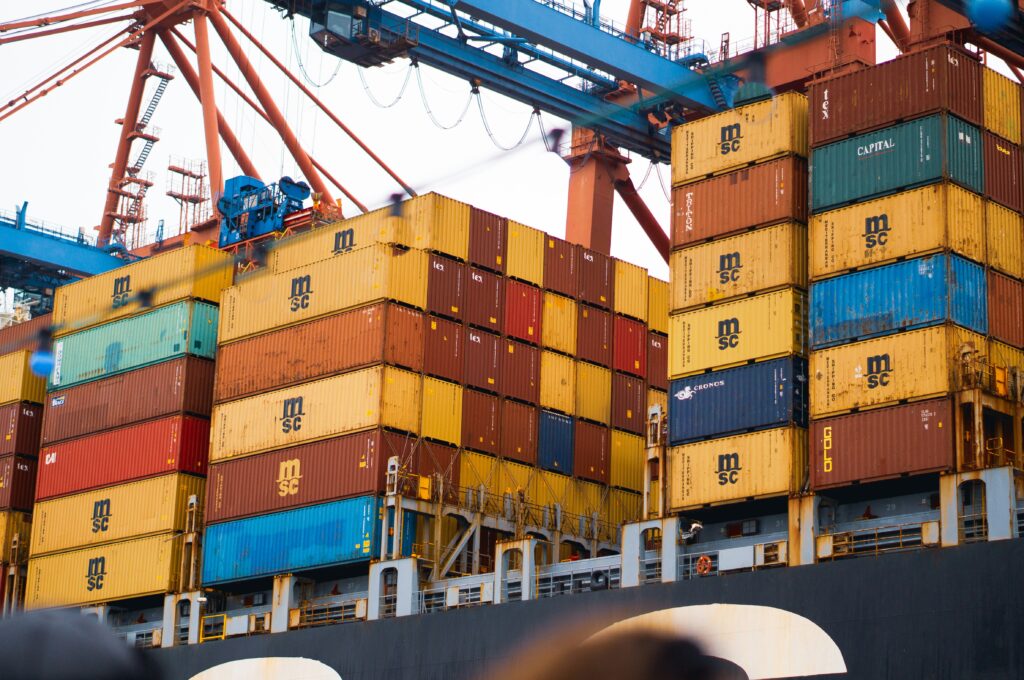
economical for large quantities. The main maritime port for Martinique is the Port of Fort-de-France.
Select a trustworthy goods forwarder to manage delivery and customs clearance effectively.
Step 5: Understand tariffs and taxes
The destination countries may impose tariffs, VAT, or other taxes on Martinique exports. To provide your buyers with realistic quotations, do some research on these expenses. Finding import requirements and taxes for various nations might be aided by the EU’s Market Access Database.
Step 6: Secure financing and insurance
Exporting involves financial risks. Mitigate them by:
- Using export financing programs.
- Securing insurance for goods in transit to protect against loss, damage, or theft.
Step 7: Build relationships with buyers
For long-term success, building trust and staying in touch with foreign buyers is crucial. Offer top-notch customer support and create precise contracts that spell out conditions of payment, delivery dates, and product details.
Legal and regulatory considerations
Martinique complies with EU export regulations and French customs legislation. Special permissions are needed for some commodities, such as dual-use items or products containing endangered animals. For further information, contact the French Customs Administration.
International health criteria must be met by agricultural exports. To ensure that plants and agricultural products satisfy the standards of the importing nation, get phytosanitary certifications for them.
Challenges and tips for exporting from Martinique
The following obstacles must be overcome by the nation’s exporters.
- High shipping costs
Martinique’s island location can lead to elevated freight costs.
- Market competition
Prioritizing quality and distinctive branding are necessary to compete with bigger manufacturers in the Caribbean and elsewhere.
Pro tips
To stand out, highlight the island’s sustainability practices, AOC certifications, and French history. For information and assistance, work with regional trade groups like CCI Martinique. To reach a wider audience worldwide, especially for specialized items, use e-commerce platforms.
Conclusion
Because of Martinique’s advantageous location, rich agricultural history, and EU membership, exporting commodities from the island is a lucrative venture. Strong buyer connections, regulatory compliance, and meticulous preparation are essential for success. Businesses may successfully manage the export process and present Martinique’s treasures to the world by adhering to this advice and remaining up to date-on logistics and market trends.
You may also find these articles helpful
Foreign diplomatic relations of Martinique
Exporting goods from Singapore – full guide
Exporting goods from South Korea – full guide