Monaco, the shining gem of the French Riviera, is renowned for its affluent way of life, charming harbor, and affluent culture. But with all its glitz, Monaco has made a name for itself in global commerce. This independent city-state, despite its tiny size, provides a favorable platform for exporting commodities because of its convenient location, strong economy, and business-friendly environment. To assist companies in navigating this prosperous export environment, we will explore the subtleties of exporting products from Monaco in this guide.
Reasons to export from Monaco
Monaco is a desirable location for exporters because of:
- Strategic location
Monaco’s location on the Mediterranean coast makes it simple to reach markets in North Africa, the Middle East, and Europe.
- Business-friendly policies
Monaco promotes effective export activities by emphasizing low taxes (particularly no income tax for people) and few trade restrictions.
- Stable economy
Monaco’s economy is strong and steady, supported by a flourishing tourism industry, banking services, and trade alliances.
- Global trade network
Monaco’s membership in the European Customs Union permits smooth commerce with EU nations while preserving its distinct non-EU identity.
Top export categories from Monaco
Monaco succeeds in exporting high-value, specialized items while having few natural assets. Important export categories consist of:
- Luxury goods
Monaco-designed watches, jewelry, and other luxury goods are highly sought after globally.
- Pharmaceutical products
Monaco’s exports are heavily influenced by the biotech and medicinal sectors.
- Machinery and electronics
Monaco exports precise equipment and high-tech gear despite its modest size.
- Chemicals
A significant portion of exports are specialty chemicals, especially those used in industry.
Understanding Monaco’s trade framework
It is crucial to comprehend the following aspects of the nation’s commerce structure.
- Customs and regulations
Monaco complies with European Union customs laws and the French administration’s customs processes because of its tight integration with France. For companies exporting to EU member states, this streamlines the procedure. Important points consist of:
- Customs documentation
Exporters must submit comprehensive customs paperwork that includes packing lists, invoices, and Harmonised System (HS) codes.
- Export licenses
Special authorization or license may be needed for some products, such as cultural artifacts or military hardware.
- VAT considerations
Monaco’s exports to non-EU nations are often free from Value Added Tax (VAT).
- Shipping infrastructure
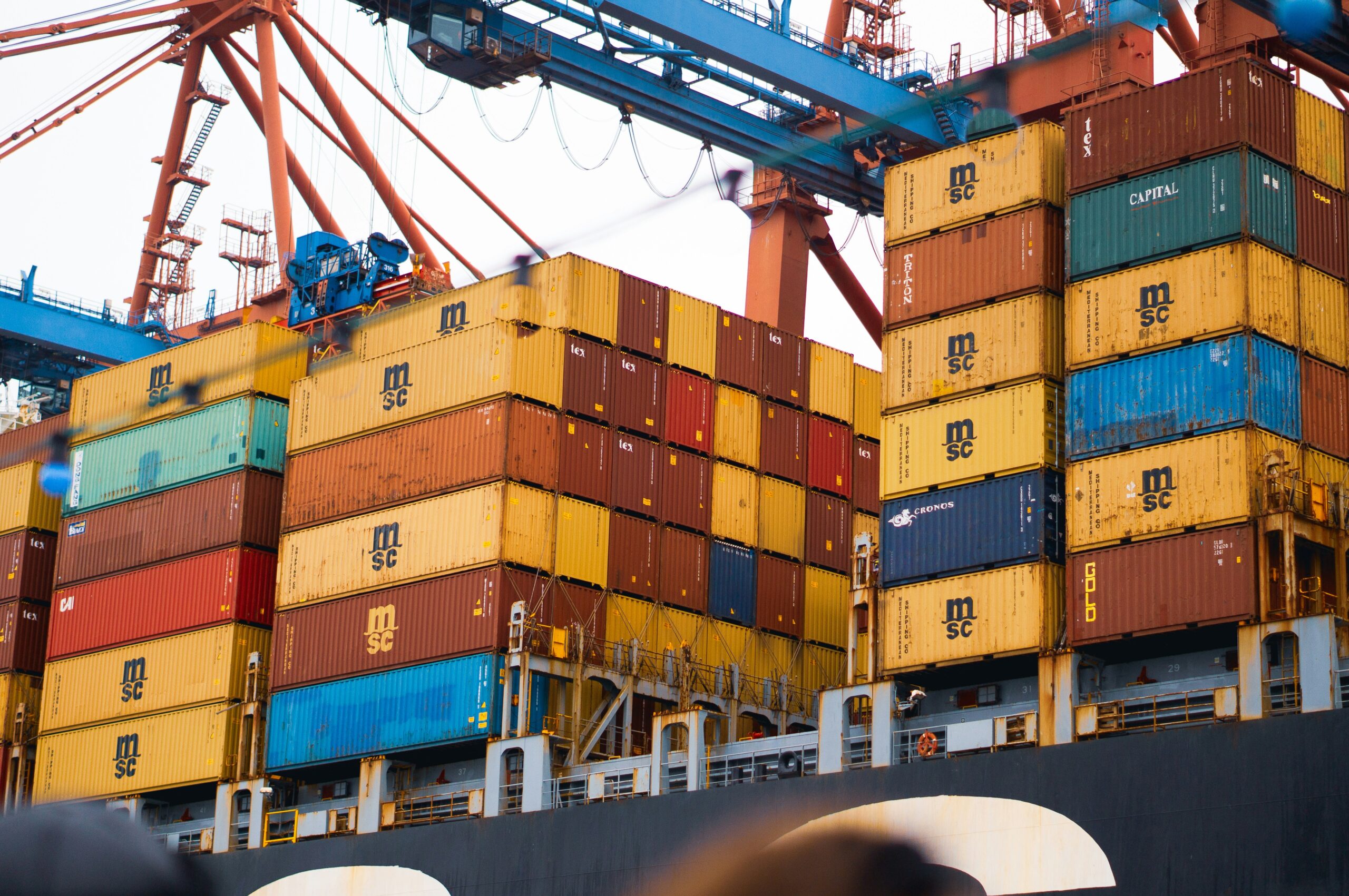
Port Hercule in Monaco is a vital entry point for exports from the marine industry. Despite its modest size, the port’s state-of-the-art facilities accommodate luxury boats and valuable goods. Using France’s vast transportation network, heavier cargo is frequently sent to other French ports like Nice or Marseille.
Additionally, Nice Côte d’Azur Airport, which is only 30 minutes from Monaco, offers air freight possibilities. Fast and effective global shipping is ensured by this proximity.
- Trade agreements and tariffs
Monaco and France have a customs union that removes tariffs inside the EU and gives Monaco access to EU trade agreements. Tariffs and levies on exports to non-EU nations are determined by the trade policy of the destination nation. Businesses established in Monaco profit from France’s extensive free trade agreements, which provide lower tariffs in several areas.
Steps to export goods
Here’s how to export goods from Monaco:
Step 1: Establish a business in Monaco
Businesses in Monaco must be properly registered to export goods. Applying to the Direction de l’Expansion Économique (Economic Expansion Directorate) is the first step in the process. By taking this step, companies may operate under Monaco’s jurisdiction, and local legislation is guaranteed to be followed.
Step 2: Classify your products
Determining relevant tariffs and restrictions requires accurate categorization using HS codes. This avoids delays and guarantees efficient customs procedures.
Step 3: Prepare documentation
The following export paperwork is necessary:
- Commercial invoice
- Packing list
- Export declaration form
- Certificates of origin (if required by the destination country)
Step 4: Choose a shipping method
Based on the type of products and the final destination, choose between shipping via air, sea, or land. Shipping may be made simpler by collaborating with seasoned logistics companies.
Step 5: Ensure compliance with destination requirements
Check the target country’s import laws, especially those about certificates, labeling requirements, and prohibited goods, before shipment. This guarantees a seamless introduction into international markets.
Challenges of exporting from Monaco
Despite all of its benefits, exporting from Monaco has drawbacks. Due to the low level of local demand in Monaco, firms must rely significantly on external markets.
Due to its small size, the city-state has few alternatives for storage, sometimes requiring facilities in nearby France. The export sectors in Monaco serve specialized markets, which could restrict their operational scope.
You may also find these articles helpful
Exporting goods from Sudan – full guide
Exporting goods from Zimbabwe – full guide