Growing as an export center, Montenegro is a tiny but strategically important jewel on the Adriatic coast. Blessed with abundant natural resources, a strategic position, and a growing economy, this Balkan nation is becoming a major player in international commerce. The main stages, important factors, and particular chances of exporting products from Montenegro will be covered in this guide.
Step 1: Understanding legal and regulatory frameworks
Businesses must comply with several legal and administrative criteria to ship goods from Montenegro. What you should know is as follows:
- Company registration
You need to register your company with the Montenegrin Central Registry of Business Entities before you may export. Make sure that activities about foreign commerce are included in your registration.
- Tax and customs compliance
Although exports are typically VAT-exempt, Montenegro has a 21% VAT rate. To verify this exemption, you must, however, keep accurate records. For correct customs declarations, make sure you are knowledgeable about Harmonised System (HS) codes and tariff codes.
Step 2: Finding the right markets
Finding the correct audience is just as important to exporting as transporting goods. Here’s how to choose the best export markets for you:
- Market research
Examine the patterns of demand in your target markets. For example, Montenegrin seafood, wine, and olive oil are becoming more and more well-liked in North America and Western Europe. For further information, consult online resources such as Trade Map or ask the Montenegro Chamber of Economy for help.
- Cultural and economic fit
Your success might be greatly impacted by your comprehension of your audience’s cultural customs. Products from Montenegro that are organic and ethically sourced, for instance, are quite popular in environmentally aware countries like Germany and Scandinavia.
Step 3: Preparing your goods for export
When exporting goods, conformity and attractiveness are crucial. To make sure your products satisfy international standards, do the following actions:
- Product certification
You can require certifications like ISO, HACCP (for food items), or CE marking (for goods entering the EU), depending on the product. These certificates show adherence to safety and quality standards.
- Packaging and labeling
Make sure your packing is long-lasting and appropriate for shipping across vast distances. All relevant information, including the product’s origin, any relevant components, and any appropriate safety signals or instructions, must be included on labels.
- Transportation logistics
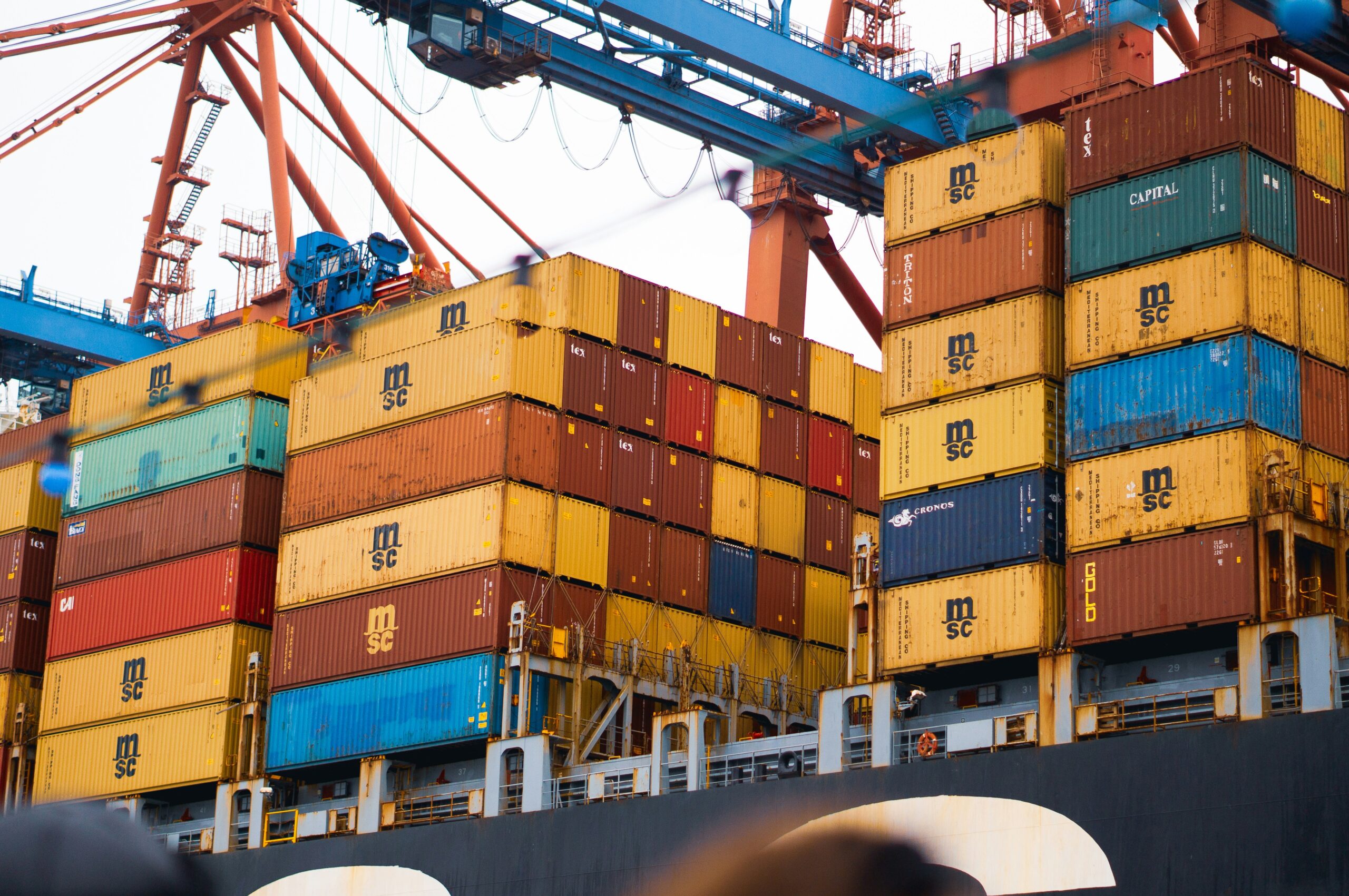
There are several ways to convey products in Montenegro thanks to its transportation system. The Port of Bar is your main entry point for marine exports. As an alternative, you can use rail and road networks to do cross-border business with nearby nations. To expedite the process, select logistics partners with global shipping expertise.
Step 4: Documentation and customs clearance
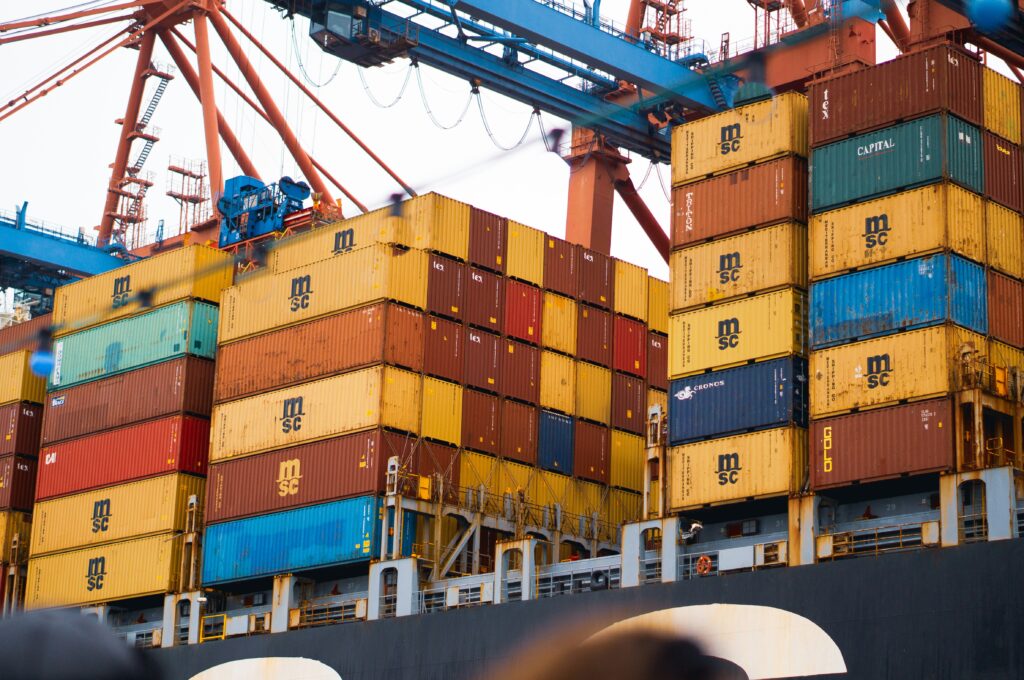
A seamless export procedure is built on accurate paperwork. Among the important documents are:
- Commercial invoice
Details the transaction between buyer and seller.
- Packing list
Provides a detailed inventory of the shipment.
- Certificate of origin
Verifies that the products were made in Montenegro, which is frequently necessary to obtain advantages from trade agreements.
- Export declaration
submitted to Montenegrin customs to approve the cargo.
- Bill of lading
Serves as proof of shipment and receipt.
To guarantee compliance and prevent delays, collaborate closely with a customs broker.
Step 5: Financing and risk management
Although exporting might need a significant amount of cash, Montenegro provides several assistance systems:
- Export credit and insurance
Exporters might receive financial support from Montenegro’s Investment and Development Fund. Export credit insurance can also shield you from the danger of nonpayment in overseas markets.
- Foreign exchange management
Because Montenegro uses the euro, trading within the Eurozone has less currency exchange risks. To protect against swings, think about hedging techniques for non-euro trades.
Step 6: Networking and support resources
Numerous organizations and networks support Montenegro’s export ecosystem. Use these tools to broaden your audience:
- Chamber of economy of Montenegro
provides exporters with networking opportunities, industry information, and training.
- Trade fairs and expos
Take part in worldwide exhibitions to meet potential customers and display your goods. International attention is drawn to events such as EXPO Montenegro.
- Government support
Programs to promote exports are regularly conducted by the Ministry of Economy. Pay attention to news on trade missions and financing possibilities.
Challenges and tips for success
Even though Montenegro has a good export climate, there are still issues including low economies of scale and reliance on outside logistical providers. To get past these obstacles:
- Collaborate regionally
Collaborate with other companies to cut expenses and pool resources.
- Invest in marketing
Build a strong brand identity to stand out in competitive markets.
- Focus on sustainability
Highlight eco-friendly practices to appeal to environmentally conscious consumers.
Conclusion
There are many chances for development and success while exporting products from Montenegro. Understanding the legal structures, carefully preparing your goods, and making use of the tools at your disposal will enable you to confidently negotiate the challenges of global trade. Because of its advantageous location, abundant resources, and growing international connections, Montenegro presents itself as a viable entry point for exporters hoping to establish themselves globally.
The world is waiting for Montenegro’s distinctive products, whether you’re delivering premium wine to Europe, fresh seafood to Asia, or cutting-edge innovations to America.
You may also find these articles helpful
Trade agreements in Montenegro
Exporting goods from Sudan – full guide
Exporting goods from Zimbabwe – full guide