One of the most important export centers in the world is the Netherlands, which is well-known for its advantageous location, excellent infrastructure, and long history of commerce. Businesses that export goods from the Netherlands have a multitude of options due to the country’s open market and access to global markets. This manual provides a thorough examination of the exporting process from the Netherlands, including important factors, rules, and doable actions.
Understand the Netherlands’ role in global trade
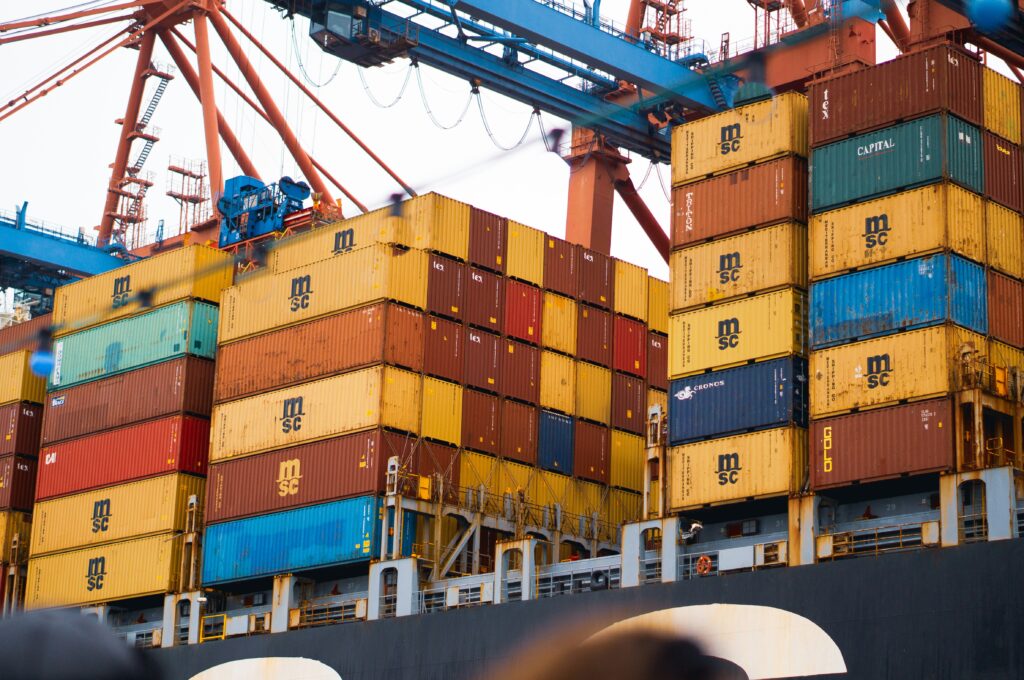
With access to the North Sea and important commercial routes, the Netherlands has a strategic location in Europe. Its ports, including Schiphol Airport and Rotterdam, the biggest in Europe, are vital entry points for commerce. Exporters can effectively move goods throughout the world by utilizing the nation’s sophisticated logistical network and linkages. Flowers, culinary items, electronics, chemicals, and manufacturing are important exports.
Determine your export market
Find possible markets for your products by researching before you begin distributing. Take into account elements like trade restrictions, competition, and demand. Tools such as the Netherlands Chamber of Commerce (KvK) or the market statistical instruments offered by the World Trade Centre might offer insightful information.
It’s critical to comprehend the trade agreements of your target market. As a member of the European Union (EU), the Netherlands gains access to trade agreements that the EU negotiates. These treaties frequently streamline regulatory processes in partner nations and lower tariffs.
Register your business for exporting
Your company has to be registered with the Dutch Chamber of Commerce (KvK) to export goods from the Netherlands. Make sure the required activities about foreign commerce are included in your KvK registration. Since exports are often free from VAT inside the EU, you will additionally require a VAT number.
Understand export documentation requirements
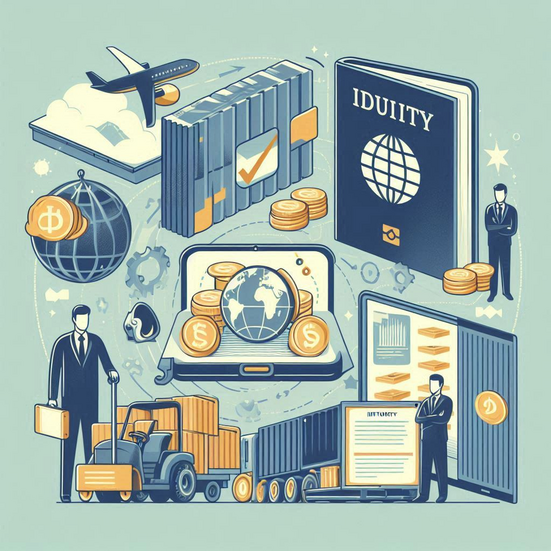
For the export procedure to go well, proper paperwork is necessary. Important papers consist of:
- Commercial invoice
Details the transaction between the buyer and seller.
- Packing list
Lists the contents, dimensions, and weight of shipments.
- Export declaration
necessary for products departing the EU. The AGS system of Dutch Customs allows for the electronic submission of this.
- Certificate of origin
Verifies the nation of manufacturing of the products, which is frequently required for trade agreements.
- Transport documents
This can comprise consignment notes, bills of lading, or airway bills, depending on the route of transportation.
Additional qualifications, such as phytosanitary licenses, could be necessary for food and crops.
Classify your goods
Classifying your items accurately is essential for clearing customs. The Harmonised System (HS) coding system, which the Netherlands uses, aids in determining the proper tariffs and levies. Accurate categorization guarantees adherence and prevents any penalties or delays in shipments.
Arrange transportation and logistics
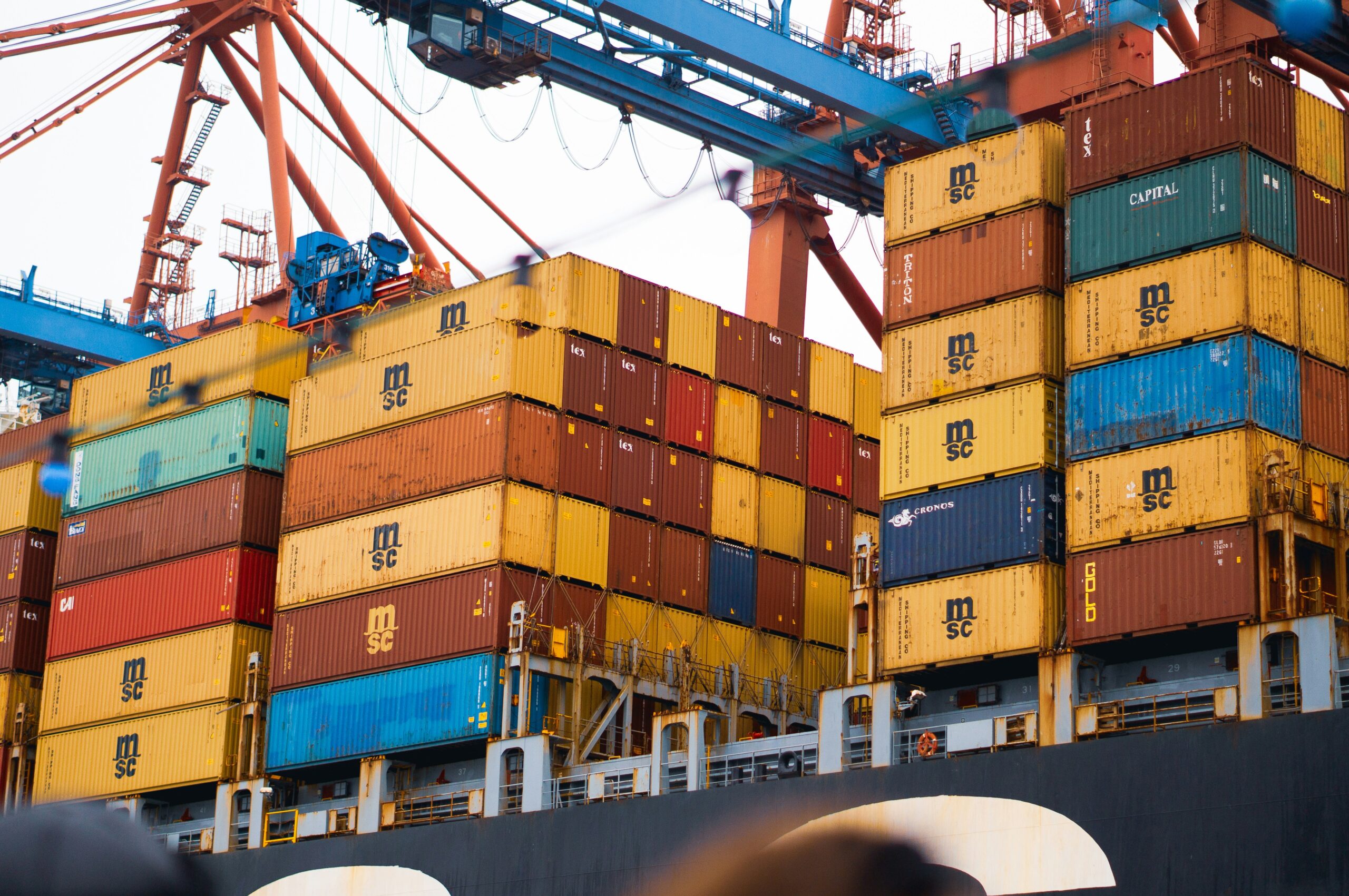
Whether to choose air, sea, road, or rail relies on several criteria, including the type of products being delivered, delivery speed, and cost. Schiphol Airport manages a lot of air cargo, although the Port of Rotterdam is best for maritime freight.
The procedure may be made simpler by collaborating with logistics firms or goods forwarders. They manage shipping, pass immigration, and make sure global shipping laws are followed.
Understand customs procedures
It is necessary to obtain customs clearance before exporting products outside of the EU. Exports are facilitated by Dutch Customs, which also ensures that rules are followed. Important actions consist of:
- Submitting an export declaration through the AGS system.
- Completing security declarations, especially for air and sea cargo.
- Ensuring goods pass physical checks if selected for inspection.
Since commodities may travel freely between EU member states, customs processes are simplified for commerce.
Consider export financing and insurance
A financial strategy is necessary when exporting to control risks including nonpayment, exchange rate changes, and product damage. Organizations such as Atradius, which provides credit insurance for exports to guard against non-payment, might assist Dutch companies.
Your bank can also set up trade finance options like bank guarantees or letters of credit. Invest in cargo insurance as well to protect your products while they are en route.
Leverage export support services
Resources for exporters are offered by a variety of organizations:
- Netherlands Enterprise Agency (RVO)
Offers market research, funding programs, and guidance on regulations.
- Chambers of Commerce (KvK)
Provides export advice and networking opportunities.
- Dutch customs
Offers tools and assistance for navigating customs procedures.
Comply with sanctions and embargoes
Make sure your exports abide by global embargoes and penalties. The Netherlands complies with EU laws that place limitations on specific nations and products. For updates, check Dutch Customs or the EU Sanctions Map.
Maintain strong communication with buyers
Effective exporting necessitates regular and transparent contact with your customers. Your export connections may be strengthened by building trust, establishing clear conditions of sale (Incoterms), and offering first-rate customer service.
You may also find these articles helpful
Trade agreements in Netherlands
Exporting goods from Sudan – full guide
Exporting goods from Zimbabwe – full guide