Poland is an important participant in international commerce due to its advantageous location at the intersection of Europe. The nation has become a dependable export center because of its strong industrial foundation and superior products. Polish exports are in high demand worldwide, ranging from sophisticated technology to agricultural commodities. This manual offers a thorough rundown of all the important facets of Polish exporting.
Understanding Polish export regulations
Poland has a robust and standardized export system as it complies with EU trade laws. Products departing Poland for non-EU nations must adhere to applicable export regulations, product standards, and customs laws. Specific export permissions are needed for several things, including dual-use products, military hardware, and cultural artifacts. Following these rules is crucial to preventing shipment refusals, penalties, and delays.
Identifying export opportunities
Poland provides a broad range of export options to meet various international needs.
- Agricultural products
Fruits, vegetables, and processed meals like meat and dairy products are all quite popular in Poland.
- Automotive components
Poland is a leading producer of car parts and accessories.
- Industrial machinery
The country is known for high-quality machinery and equipment exports.
- Furniture
One of the biggest furniture industries in Europe, Poland supplies homes and companies all over the world.
Exporters can find profitable possibilities in both existing and growing markets by examining market trends and matching Poland’s strengths.
Navigating logistics and transportation
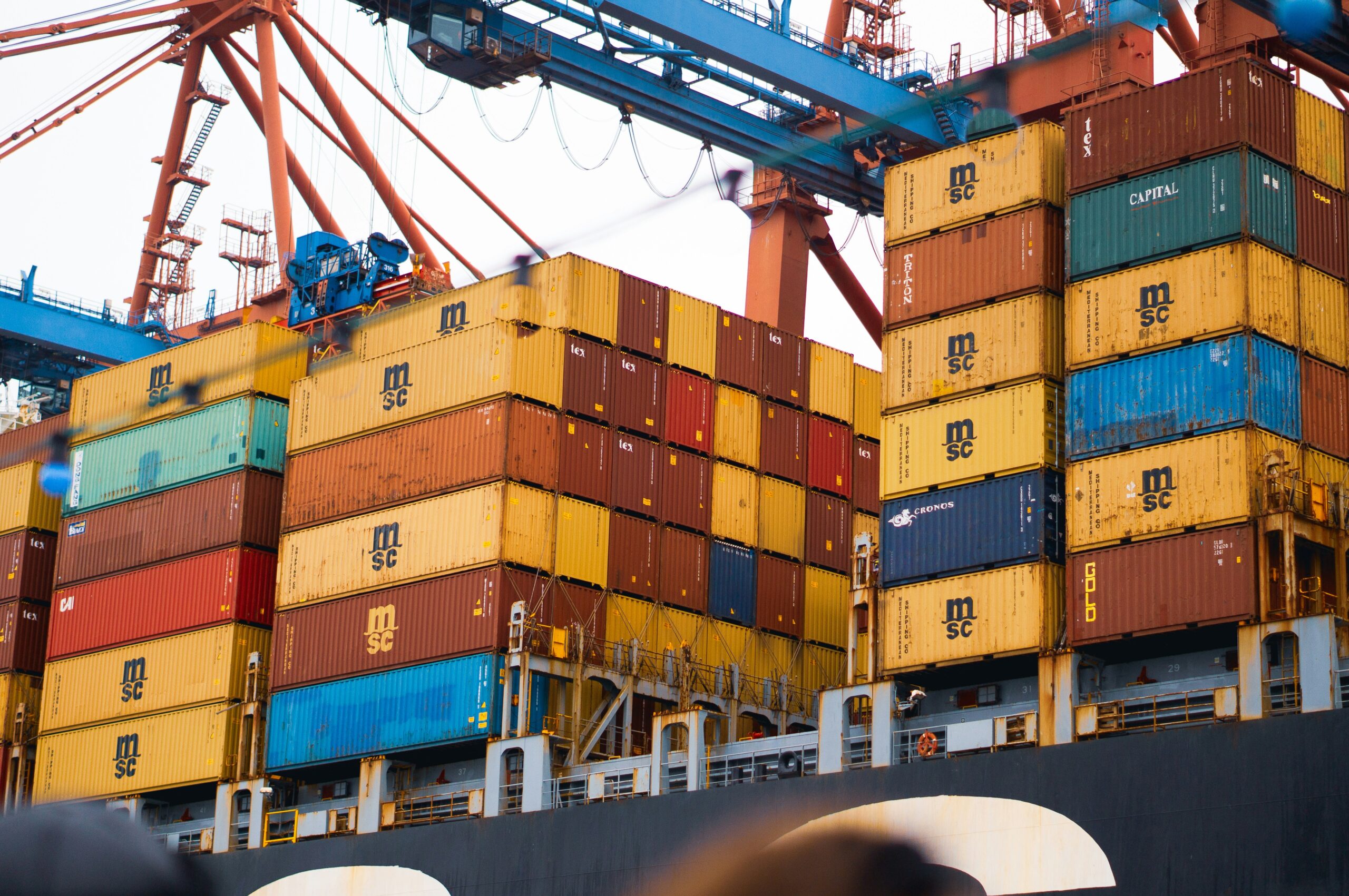
Poland’s robust transportation system makes exporting dependable and efficient. The nation acts as a gateway to international marine trade thanks to its large seaports, including Gdańsk, Gdynia, and Szczecin. Furthermore, Poland has a vast rail system that links it to Europe, and well-kept roads make cross-border transportation easier. For valuable or urgent cargo, air freight alternatives via airports such as Warsaw Chopin Airport are perfect. Exporters need to consider cost, speed, and destination while selecting a means of transportation.
Preparing export documentation
An essential component of exporting from Poland is having the right paperwork. Important papers consist of:
- Commercial invoice
A detailed description of the goods, their value, and terms of sale.
- Packing list
A breakdown of items in the shipment.
- Certificate of origin
confirms that the goods were made in Poland, which is frequently required to receive favorable tariffs under trade agreements.
- Export declaration
Required for goods shipped outside the EU and submitted via Poland’s customs system.
The accuracy of these documents ensures compliance with both Polish and destination country regulations.
Navigating customs procedures
The National Revenue Administration is in charge of ensuring that Polish exports to non-EU nations pass customs clearance. Exporters are required to use the EU-wide Automated Export System (AES) to submit electronic customs declarations. Product details, HS codes, and any necessary permits or certifications must all be included in the declaration. Depending on trade agreements or World Trade Organisation (WTO) regulations, shipping to other countries may be subject to tariffs, even when exports to EU states are duty-free.
Leveraging EU trade agreements
Poland gains access to the EU’s vast network of trade pacts as a member of the EU. For a variety of items, these accords, which span more than 70 nations, provide lower taxes and expedited customs processes. By making sure their goods fulfill rules of origin specifications and obtaining the required EUR.1 or REX documentation, exporters may optimize these advantages. Polish companies can maintain their competitiveness in global markets by becoming familiar with these agreements.
Managing export risks
Risks associated with exporting commodities range from logistical difficulties to volatile currency rates. By using trade finance alternatives, diversifying their markets, and obtaining export insurance, Polish exporters can reduce these risks. Organisations such as KUKE (Export Credit Insurance Corporation) provide exporters with financial solutions including export guarantees and credit insurance. In international trade, proactive risk management is essential to preserving stability and profitability.
You may also find these articles helpful
Exporting goods from Sudan – full guide
Exporting goods from Zimbabwe – full guide