Portugal, a country in southern Europe renowned for its lively culture and lengthy history, is a major force in international trade. Portugal’s well-established industry and strategic location along the Atlantic Ocean allow it to export a wide range of items, from sophisticated technologies to agricultural supplies. The procedures, opportunities, and important factors associated with exporting products from Portugal will be outlined in this handbook in an easy-to-understand manner.
Regulations for exporting from Portugal
Portugal abides by the trade laws and standards of the European Union (EU) as a member. While commodities going to non-EU nations must adhere to international customs regulations, exports inside the EU enjoy the freedom of movement of products without immigration tariffs. Certain products that require certificates or permissions, including food, chemicals, or pharmaceuticals, may be subject to certain laws. To prevent delays or fines, exporters must make sure they comply with all regulatory criteria.
Identifying export opportunities
Opportunities for companies of various types are presented by Portugal’s exports, which span a variety of industries.
- Cork and wood products
The world’s greatest exporter of cork, which is used in flooring, construction materials, and wine stoppers, is Portugal.
- Agricultural goods
Portuguese wine, olive oil, and fresh fruits are globally recognized for their quality.
- Textiles and footwear
Known for craftsmanship and durability, Portuguese clothing and shoes are in demand worldwide.
- Renewable energy
With expertise in wind and solar energy technologies, Portugal offers advanced solutions for global markets.
Preparing for logistics and transportation
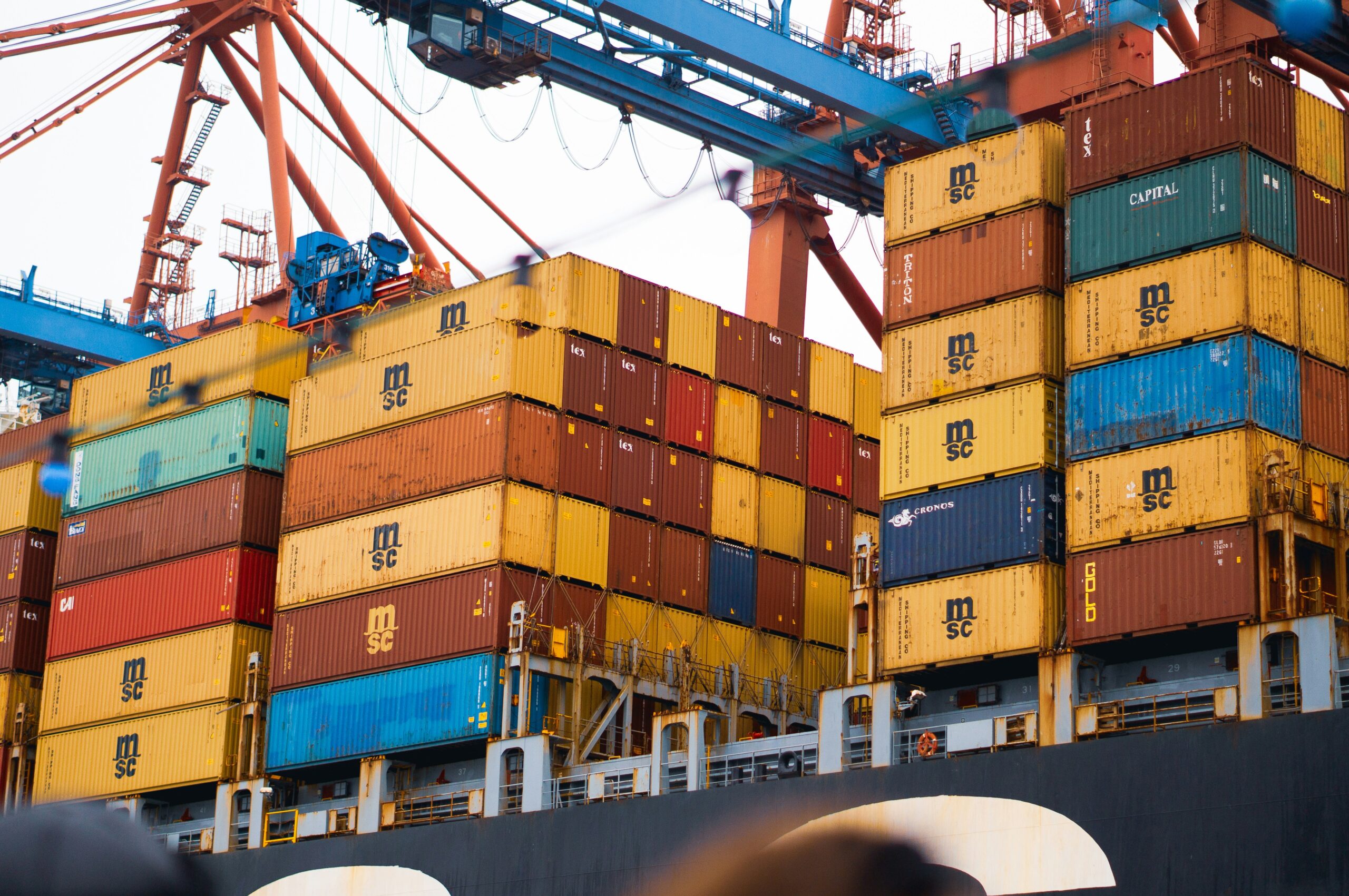
Exporting products to international markets is made simple by Portugal’s sophisticated logistical system. The nation boasts several important ports that link to global trade lanes, including Porto de Lisboa, Porto de Leixões, and Porto de Sines. Exporters can employ air freight via Lisbon Airport or other regional hubs for faster shipping. Portugal has excellent rail and road connections to Europe, which makes it a convenient destination for overland travel. Depending on the cost, the destination, and the kind of products being sent, exporters should select the most appropriate form of transportation.
Essential export documentation
To guarantee a seamless customs clearance process, exporting products from Portugal requires the appropriate documents. Important papers consist of:
- Commercial invoice
Lists the details of the transaction, including product descriptions, quantities, and pricing.
- Packing list
Breaks down the shipment’s contents for customs and transport providers.
- Certificate of origin
Verifies that the goods were produced in Portugal, often required for accessing trade agreement benefits.
- Export declaration
Submitted electronically through Portugal’s customs system for goods leaving the EU.
Customs procedures and duties
Customs processes apply when exporting products to non-EU nations. Through the EU-wide Automated Export System (AES), Portuguese exporters are required to submit export paperwork that includes information including weight, value, and product categorization codes (HS codes). Certain things, including food or medications, can need specific permissions. Although trade agreements have resulted in lower tariffs for many Portuguese items, it is crucial to make sure all standards are met to prevent delays at customs.
Managing risks in exporting
Risks associated with exporting include delivery delays, currency rate fluctuations, and payment defaults. By using risk management techniques and careful preparation, Portuguese exporters can reduce these risks.
- Payment protection
Using letters of credit or export insurance reduces the risk of non-payment.
- Currency hedging
Protects businesses from unfavorable exchange rate changes.
- Diversifying markets
Reduces reliance on a single market, spreading potential risks.
Tips for success in exporting
With the correct strategy, exporting from Portugal may be a fulfilling experience. The following advice will help you succeed:
- Research thoroughly
Understand your target market, competitors, and customer preferences before exporting.
- Build strong relationships
Networking with buyers, distributors, and trade partners is crucial for long-term success.
- Utilize government support
Portuguese agencies such as AICEP (Agency for Investment and Foreign Trade of Portugal) provide valuable resources, from market research to funding opportunities.
- Stay Informed
Keep up-to-date with regulations, trade agreements, and industry trends to remain competitive.
Conclusion
Because of Portugal’s varied sectors, advantageous location, and access to international markets, exporting goods from the nation offers up a world of opportunity. Portuguese companies may prosper in global trade by comprehending export laws, using trade agreements, and implementing environmentally friendly methods. Exporters that successfully plan and manage risks will succeed in the fast-paced world of international commerce, whether they are transporting wine to the US or green power equipment to Africa. Portugal remains a dependable and competitive exporter because of its dedication to quality and creativity.
You may also find these articles helpful
Exporting goods from Sudan – full guide
Exporting goods from Zimbabwe – full guide
Foreign diplomatic relations of Mozambique