San Marino, one of the smallest countries in Europe and the oldest republic in the world, has a long history of trading and business. The economy of this charming microstate, which is tucked away inside Italy, is booming and mostly dependent on exporting. Exporting items from San Marino might prove to be a profitable endeavor for businessmen and enterprises seeking to capitalize on its distinct market. A thorough yet simple explanation of how to export products from San Marino is given in this guide.
Step 1: Understanding San Marino’s export market
Before diving into the export process, it is crucial to research the San Marinese market. San Marino is known for exporting:
- Ceramics and handcrafted goods
Renowned for their artistry, these items are popular in international markets.
- Textiles and clothing
San Marino has a long history of textile production, offering high-quality fabrics and apparel.
- Wine and spirits
Local vineyards produce distinctive wines, such as Moscato di San Marino.
- Specialized manufacturing goods
Including medical instruments and electronics.
Understanding your target market’s demand for these products will shape your export strategy.
Step 2: Navigating trade regulations
Nevigate trade regulations through following steps:
Legal framework
San Marino follows specific export regulations, most of which align with European standards due to its customs union with the EU. However, exporters should be aware of San Marino’s distinct documentation and procedural requirements.
Key considerations include:
- Customs Union with the EU
This eliminates the need for tariffs on goods traded with EU countries.
- Compliance standards
San Marinese goods must meet EU safety and quality standards.
- Certificates of origin
These documents may be required to prove where the goods were manufactured.
Licensing requirements
Not all goods require an export license. However, items such as medical devices, alcohol, and certain electronics may need specific permits. It’s advisable to consult with San Marino’s Chamber of Commerce for guidance on licenses and restrictions.
Step 3: Preparing goods for export
Preparing good for export involves the following steps:
Packaging and labeling
San Marino’s high standards in craftsmanship extend to packaging and labeling. International markets demand clear, professional, and compliant labeling that adheres to specific regulations, including:
- Product descriptions in the language of the target country.
- Proper safety markings for fragile or hazardous goods.
- Labels that comply with EU requirements, including CE marking for applicable products.
Quality assurance
Since San Marino prides itself on quality, ensure that all goods meet stringent quality checks before shipping. Poor-quality goods can tarnish the country’s reputation and lead to rejected shipments.
Step 4: Logistics and shipping
San Marino’s landlocked location makes transportation an essential part of the export process. Here’s how to ensure a smooth logistical operation:
- Partnering with logistics providers
Most goods exported from San Marino are transported through Italy, which provides access to ports, railways, and airports. Partner with a reliable logistics provider that understands both San Marino’s and Italy’s shipping protocols.
- Modes of transportation
Common modes of transportation involve:
- Road freight
Common for goods destined for nearby European countries.
- Sea freight
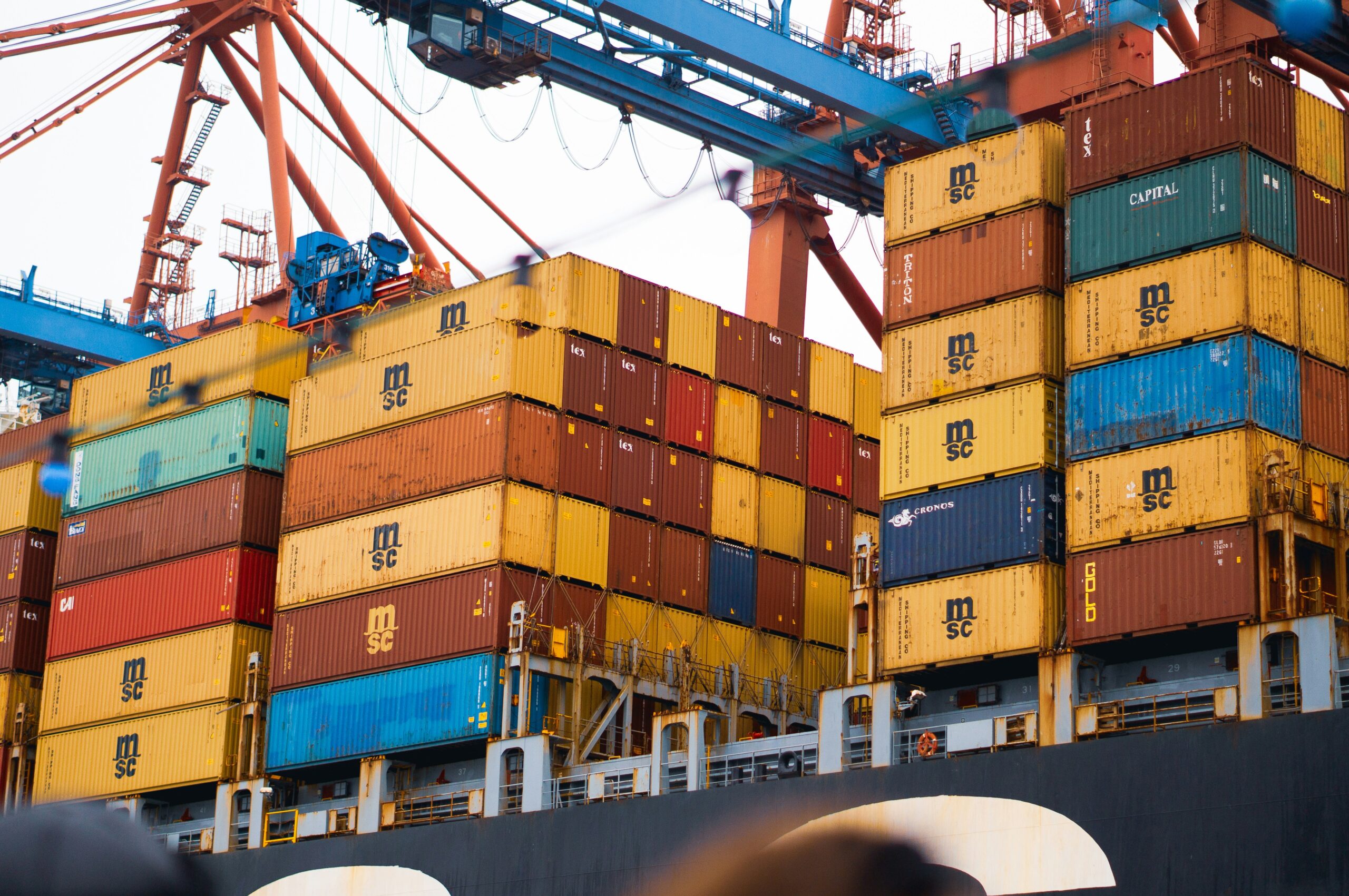
Ideal for bulk shipments heading to overseas markets via Italian ports like Genoa or Venice.
- Air freight
Suitable for high-value, time-sensitive goods.
- Documentation
Common export documents include:
- Commercial Invoice
- Packing List
- Certificate of Origin
- Customs Declaration Form
Step 6: Leveraging trade support services
San Marino offers numerous trade support services to assist exporters:
- Chamber of commerce
Provides up-to-date information on trade regulations, export certifications, and market insights.
- Export promotion agencies
Offer guidance on finding buyers in international markets.
- Trade shows and exhibitions
San Marino regularly participates in international trade fairs, providing a platform for businesses to showcase their products.
Challenges and tips
Common challenges involves:
- Small production capacity
San Marino’s small size means production capacity may be limited. This can affect supply consistency.
- Complex customs procedures
Navigating customs regulations, especially for non-EU countries, can be challenging.
- Logistical bottlenecks
Relying on Italian infrastructure for transportation can lead to delays.
Pro tips for exporters are:
- Build strong relationships with Italian logistics providers for seamless coordination.
- Stay updated on EU and international trade regulations to avoid unexpected barriers.
- Emphasize the unique heritage of San Marinese goods in your marketing to attract niche markets.
Conclusion
Companies may access a marketplace renowned for outstanding craftsmanship and rich heritage by exporting items from San Marino. The benefits may be substantial, even if the procedure takes close focus on detail—from comprehending legislation to being an expert in logistics. You may effectively introduce San Marino’s charm and expertise to the world stage with the correct planning, alliances, and approach.
Whether you’re selling fine wines, handcrafted ceramics, or high-end fabrics, San Marino’s goods have a reputation for quality that will appeal to discriminating consumers everywhere.
You may also find these articles helpful
Exporting goods from Sudan – full guide
Exporting goods from Zimbabwe – full guide
Foreign diplomatic relations of Vatican City