Serbia, a nation with a long history of trade and industry and a fast-growing economic status, is situated at the intersection of Southeast Europe. Serbia has a wealth of opportunities for companies wishing to export goods because of its advantageous location, skilled labor force, and varied fields. Everything you need to understand about exporting products from Serbia is covered in this book, which also offers helpful advice for a successful export procedure.
Understanding Serbia’s export landscape
Serbia is well known for its wide range of exports, which include clothing, equipment, automobile components, computer services, and crops. The European Union (EU), the Central European Free Trade Agreement (CEFTA) area, and nations like China, Turkey, and Russia are important export destinations for Serbia. Serbia is a desirable export target due to its favorable trade ties and expanding global recognition for reliability.
Fruits including raspberries, car parts, processed copper, and electrical devices are the nation’s leading export goods. The first stage in developing a successful export plan is determining the items in which Serbia specializes.
Navigating export regulations
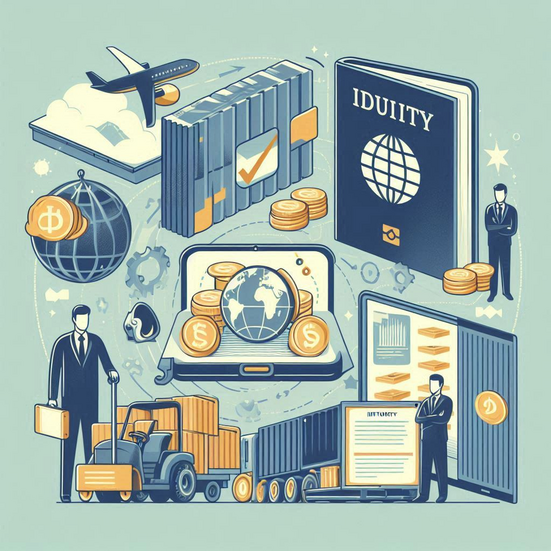
Regulations both domestically and internationally must be followed while exporting products from Serbia. Companies must make sure their products match the criteria of the target marketplace and abide by Serbian customs legislation. Important records consist of:
- A commercial invoice, detailing the transaction.
- A packing list, describing the shipped goods.
- A certificate of origin, proving where the product was manufactured.
- A customs declaration, submitted to Serbian customs authorities.
Some products, like electronics, medicines, and crops, could need extra permits or certificates. To prevent delays or fines, you must become familiar with these standards early on in the entire procedure.
Selecting transportation and logistics
Serbia serves as a logistics center for Europe and beyond due to its geographic location. The nation has excellent air, train, river, and road connections, providing a variety of ways to export commodities.
Road and rail transit is economical and efficient for European markets. Bulk commodities may be transported by water thanks to Serbia’s access to the Danube water. Belgrade’s Nikola Tesla Airport offers air freight flights to important international hubs for countries outside of Europe.
Leveraging trade support services
For companies wishing to export, Serbia provides a wide range of trade assistance services. Exporters can obtain vital information from the Serbian Chamber of Commerce and Industry, such as market research, trade laws, and certification advice.
To promote their goods and build commercial relationships, exporters can also take part in global and local trade shows and exhibits. Furthermore, international organizations and government departments frequently provide exporters awards, financial assistance, and training courses.
Overcoming challenges
There are difficulties in exporting from Serbia, including handling intricate customs processes, controlling exchange rates, and guaranteeing constant product quality. Furthermore, Serbian exporters must differentiate their goods by their excellence, creativity, or unique selling propositions due to the fierce competition in international marketplaces.
Businesses should spend money on employee training, keep lines to communicate open with customs officers, and cultivate a solid rapport with logistics suppliers to overcome these obstacles. Overcoming challenges also requires having a defined export plan and keeping up with trade trends.
Reaping the benefits of exporting from Serbia
The advantages of exporting commodities from Serbia greatly exceed the dangers, notwithstanding the difficulties. The nation has a strong basis for development because of its abundant resources, highly qualified people, and advantageous position. Furthermore, Serbia’s exports are now more competitive on the international market because of its expanding image as a trustworthy trading partner.
Serbia has a wealth of options for companies prepared to enter its vibrant export sector, whether they are exporting cutting-edge IT solutions or fresh food to Europe. Exporting commodities from Serbia may lead to sustainable development and achievement if it is planned well, rules are followed, and the correct relationships are formed.
You may also find these articles helpful
Exporting goods from Sudan – full guide
Exporting goods from Zimbabwe – full guide
Foreign diplomatic relations of Eritrea