Slovakia, sometimes called the “heart of Europe,” offers exporters a wealth of prospects. It is a logical center for global commerce because of its advantageous location, highly qualified workforce, and existing trading links. If you’re thinking of manufacturing products from Slovakia, this thorough guide will walk you through all the necessary procedures and factors to make your business successful.
Leveraging Slovakia’s trade agreements
Since Slovakia is a member of the EU, exporters may trade inside the union without taxes or quotas, giving them unmatched access to EU markets. The EU’s trade deals with countries across the world also help the nation by lowering trade obstacles and expediting the exporting process.
Slovakia’s involvement in accords with nations such as South Korea, Canada, and Japan enhances its standing in international commerce outside of the EU. Through these alliances, Slovak exporters might get a competitive edge when entering international markets.
Understanding export regulations in Slovakia
Slovakian exporters must abide by both national and EU legislation. Before being approved for foreign markets, goods must fulfill strict reliability, security, and ecological standards. Most items must comply with EU standards, especially consumer and industrial goods.
Bills, packaging lists, credentials of origin, and import declarations are among the necessary documentation. Certain things, including medications or objects with two uses, could need extra licenses or permissions. To prevent delays, shippers should get familiar with these standards as soon as possible.
Preparing your goods for export
Quality is paramount in Slovakia. Your products must be up to the highest requirements, whether you’re exporting locally made culinary items or state-of-the-art technology. Certifications like ISO standards, CE marking for items entering the EU, or HACCP for food products are required by global markets.
Labeling and packaging also need to be done carefully. Labels need to be understandable, educational, and adapted to the linguistic and legal standards of the target nation. Packaging that is both sustainable and visually appealing may help Slovak products stand out in international markets.
Finding the best logistics options
Slovakia has great connectivity for exporting products because of its Central European position. The nation has a sophisticated aviation, rail, and road transportation system. Advantages for waterway shipping are also provided by the Danube River.
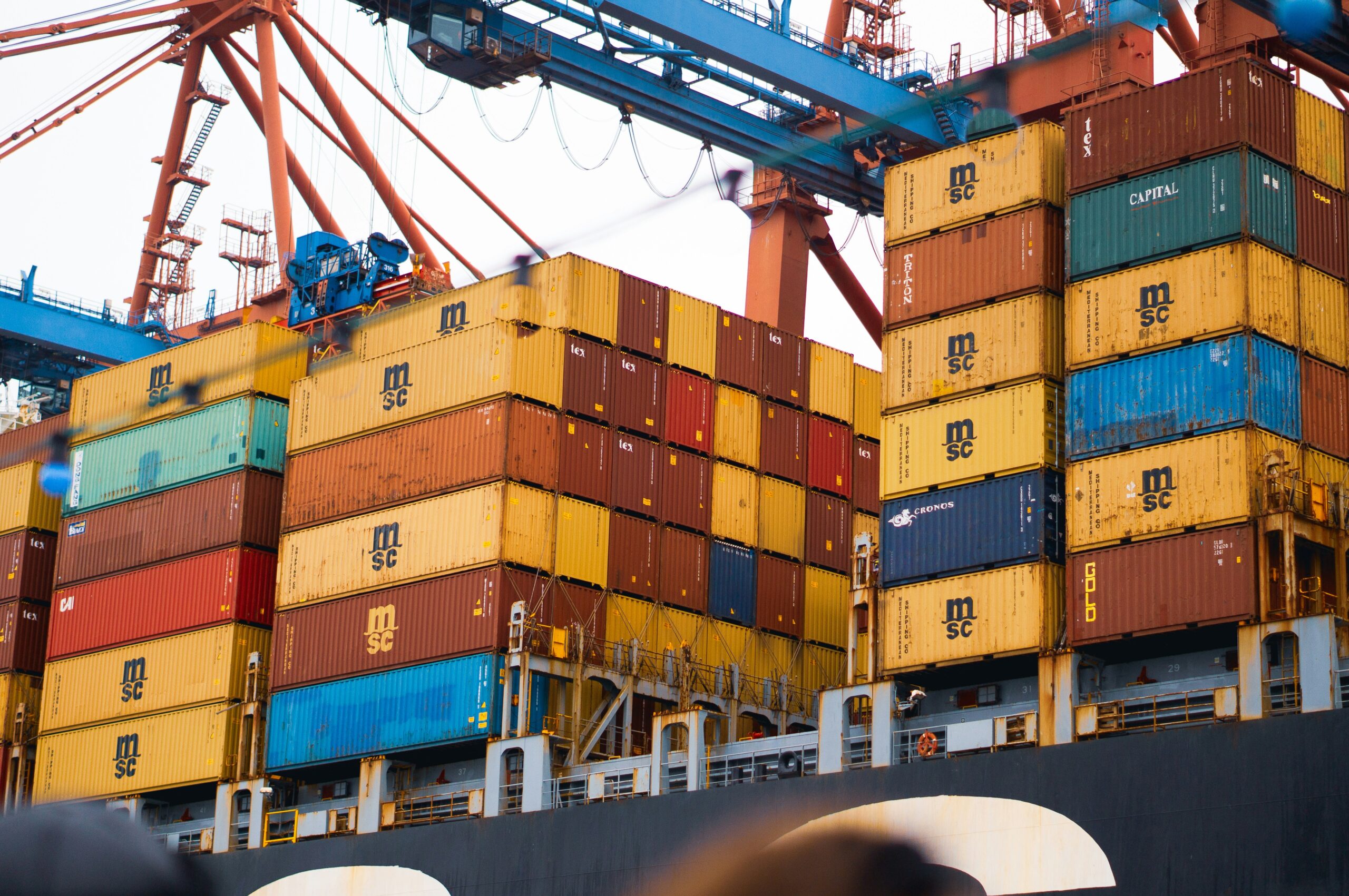
Because Slovakia is close to important economic centers, road freight is an economical and effective choice for European markets. Bulk products traveling to more remote EU locations are best transported by rail. While neighboring European seaports, such as those in Germany or Croatia, give access to international markets, Bratislava’s airport provides air freight services for exports worldwide.
Financing and support for exporters
Although exporting might involve a large financial outlay, Slovakia provides several tools to assist companies. While EU financial initiatives can assist small and medium-sized businesses in expanding globally, the Slovak Guarantee and Development Bank (SZRB) offers financing solutions specifically designed for exporters.
Programs provided by SARIO, the Slovak Investment and Trade Development Agency, are also advantageous to suppliers. These consist of matchmaking offerings, market analysis, and assistance in negotiating intricate trade procedures.
Marketing Slovak products abroad
Slovak goods are distinguished by their superior quality, inventiveness, and distinctive workmanship. Stressing these attributes while selling products overseas can aid in drawing in foreign customers. For example, Slovakia’s precision-engineered automobile parts are well-known, and its wines and traditional cuisine are becoming more and more renowned for their authenticity.
One effective strategy for promoting Slovak products is to take part in trade shows and exhibits. Connecting with customers and dealers might be facilitated by events such as the International Engineering Fair in Brno or culinary expos around Europe.
Overcoming challenges in exporting
Although there are numerous benefits to exporting from Slovakia, there are drawbacks as well, such as volatile currency rates, competitiveness in international markets, and negotiating intricate customs laws. To lessen these obstacles, companies should take proactive measures like managing currency risk and cultivating a solid rapport with customs agents and logistical partners.
Making sure that the supply and quality are constant might be another difficulty. This problem may be resolved by investing in quality assurance checks and keeping lines of communication open with vendors.
You may also find these articles helpful
Exporting goods from Qatar – full guide
Exporting goods from Russia – full guide