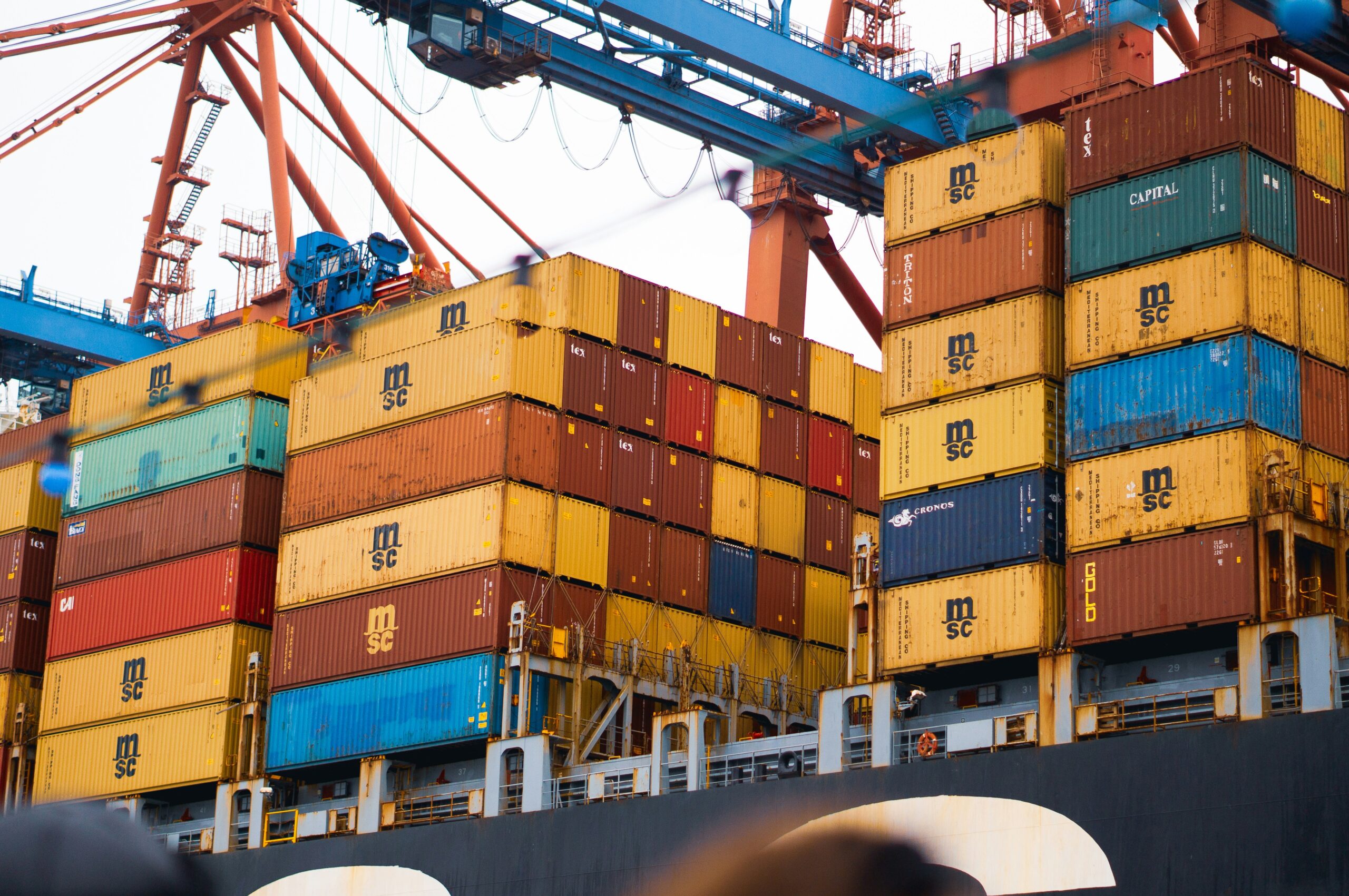
One of the top exporters of premium products worldwide is Spain. Spanish goods are prized all over the world, from fresh vegetables olive oil, and wine to clothing, equipment, and fashion. To guarantee effective and seamless operations, it’s critical to comprehend the procedure if you intend to export items from Spain. This tutorial helps you get started by breaking down exporting into easy-to-understand steps.
Step 1: Register your business
Your company has to be officially registered to export goods from Spain. Make sure your company is registered with the Spanish Commercial Registry (Registro Mercantil) if you currently manage one. Another choice for people is to establish themselves as lone traders, or autónomos.
An Economic Operator Registration and Identification (EORI) number is required when your firm is registered. When navigating Spanish and other countries’ traditions, this number is crucial. The Spanish Tax Agency (Agencia Tributaria) is where you may apply for your EORI number.
Step 2: Research your target market
Selecting the appropriate market for your goods is essential to the profitability of your export company. Investigate the nations with the highest demand for your products first. For instance, Spanish design is successful across Europe and beyond, while Spanish olive oil is well-liked in China and the United States.
Market information, guidance, and assistance can be obtained from the authority’s trade organizations such as ICEX España Exportación e Inversiones. These groups facilitate communication between Spanish companies and prospective customers worldwide.
Step 3: Understand export rules and regulations
Understanding the laws of your target market is crucial since import laws vary from nation to nation. Spain complies with EU export regulations as a member of the EU.
Additional paperwork and customs inspections will be necessary for non-EU nations. Verify if your product requires an export license, particularly if it involves prohibited commodities like chemicals or military hardware. To prevent delays or penalties, always check the import regulations of your destination country as well as Spain’s export regulations.
Step 5: Calculate costs and tariffs
Additional expenses including shipping, insurance, customs charges, and taxes are incurred while exporting products. To set competitive prices for your items, it’s critical to estimate these expenses in advance.
This procedure can be streamlined by using a customs broker. They may take care of customs documentation, making sure that everything is accurate and complies with rules.
Step 6: Choose the right transport
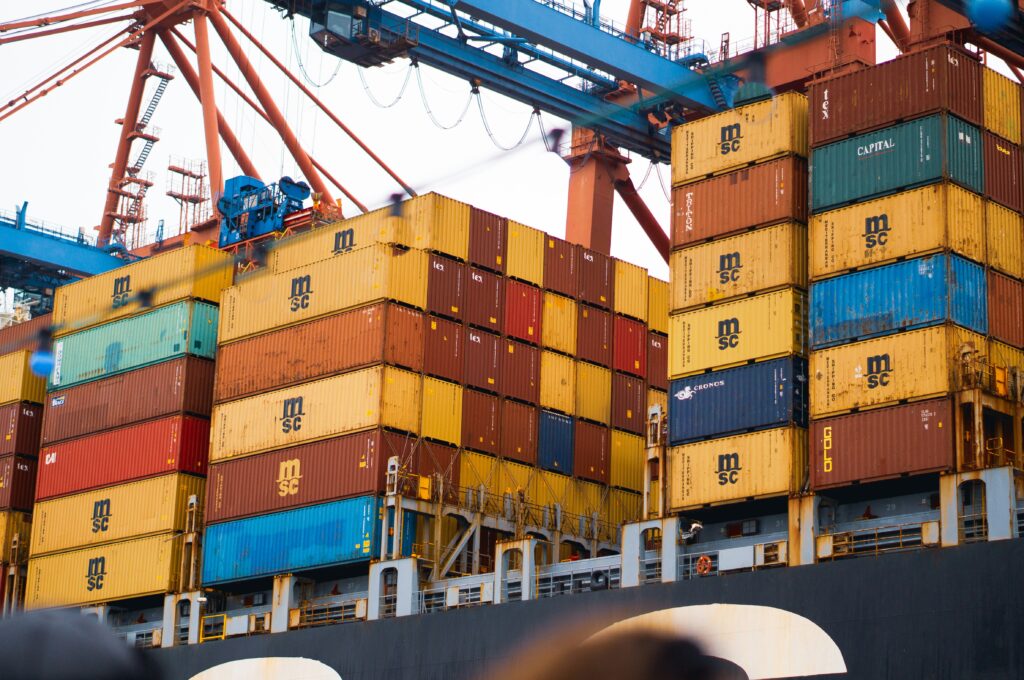
One of the most important aspects of exporting is shipping. Because of Spain’s well-established infrastructure, shipping products by air, sea, road, or train is simple. Your product kind, destination, and financial constraints will determine the optimal mode of transportation.
The most economical way to carry large or bulky items is frequently via water. Air freight is quicker for smaller, more valuable, or urgent cargo. Transporting fresh goods, such as fruits or vegetables, may require refrigeration to preserve their freshness while in transit.
Step 7: Arrange payment and contracts
Managing payments is a crucial step in the export procedure. Gaining the trust of foreign buyers is facilitated by providing transparent payment arrangements. Online payment platforms, letters of credit, and wire transfers are examples of common payment methods.
To protect both you and your customer in the event of a disagreement, it is advisable to have a comprehensive export contract with your purchasers.
Step 8: Promote your products internationally
You must properly market your goods if you want to expand your export company. Create an online presence first, such as a website or product-focused social media sites. Meeting possible customers and showcasing your products may also be accomplished by attending international trade shows.
Emphasizing that your products are Spanish-made might help you sell them. Many consumers believe that Spanish goods are authentic, high-quality, and traditional. Make sure to highlight this link in your marketing, whether you’re exporting cutting-edge technology or fine dining.
Final thoughts
Exporting products from Spain is a lucrative endeavor that enables companies to expand into new markets. The procedure might appear complicated, but it is made simpler by breaking it down into smaller, more manageable phases.
To secure long-term success, remember to market your goods and cultivate enduring connections with foreign customers.
Exporting from Spain may lead to new prospects and help you showcase Spain’s greatest features to the globe if you take the proper strategy and plan.
You may also find these articles helpful
Exporting goods from Qatar – full guide
Exporting goods from Russia – full guide