With its lengthy history of kingdoms, empires, and global discovery, Europe has always been a major player in international diplomacy. There are many different countries on the continent, each with its unique political system, culture, and economic interests. European diplomatic relations are therefore intricate and multidimensional. Europe has established a complex network of partnerships that influence world politics, ranging from the European Union (EU) to bilateral ties. These connections are complicated by disparate national interests and goals, but they are also impacted by geography, past relationships, and common ideals.
The role of the European Union (EU)
One of the most powerful political and economic unions in the world is the European Union. The EU, which consists of 27 member states, uses its combined economic might and political clout to operate as a collective entity for European foreign policy. The EU works to address global issues including climate change, security threats, and human rights concerns through a common foreign policy. It negotiates commercial deals and supports international diplomacy by using its economic might. Notwithstanding its achievements, the EU has difficulties since its member states frequently have divergent agendas on issues like immigration, trade, and foreign involvement.
Diplomacy and global trade
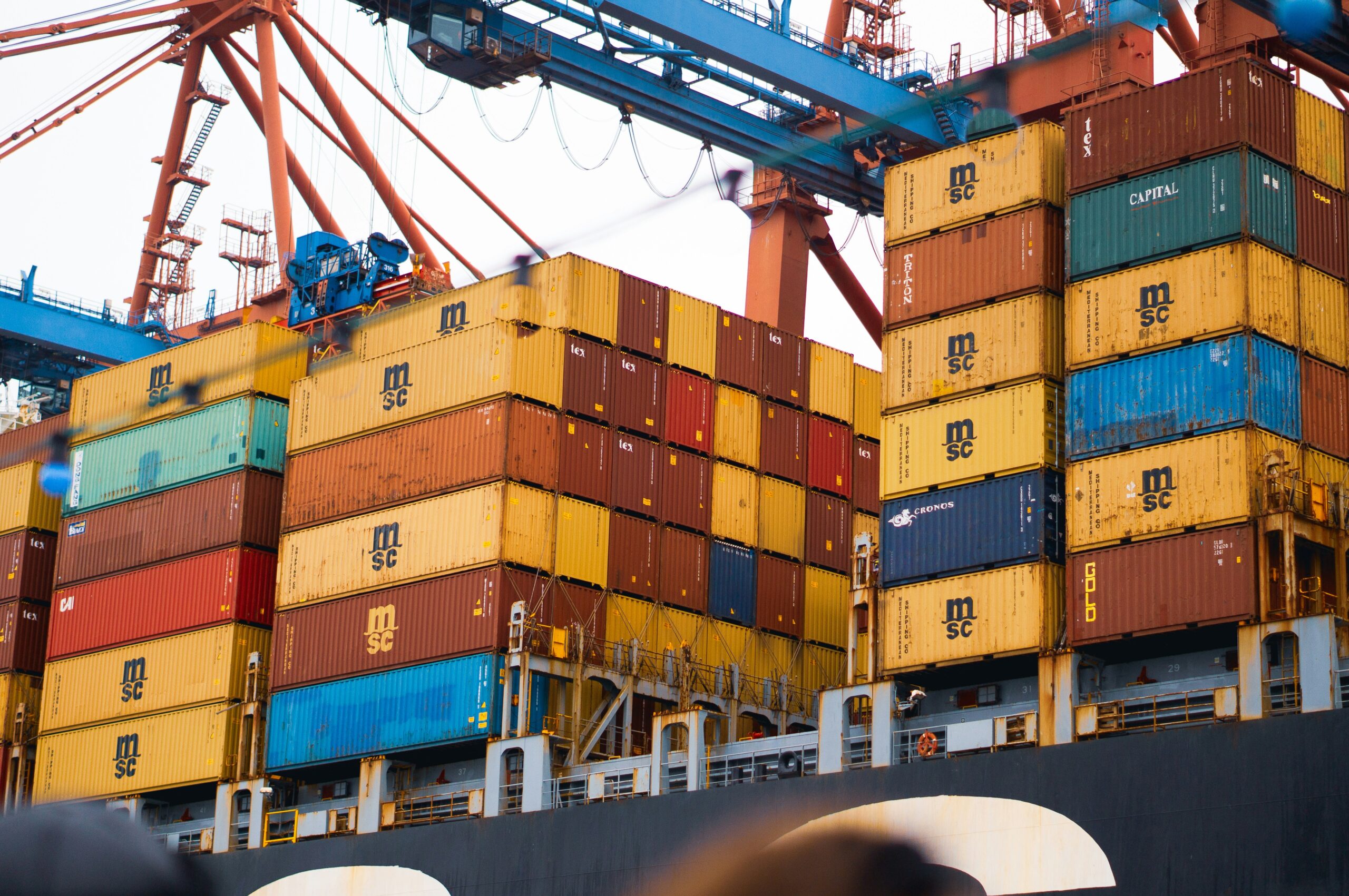
Global trade and European diplomacy have long been closely related. Europe is an important center for worldwide trade because of its advantageous location between the Americas, Asia, and Africa. By negotiating agreements with both nearby nations and international markets, the European Union contributes significantly to trade discussions. Europe has used its combined economic might to affect the world market through initiatives like the Common Agricultural Policy and free trade agreements with nations like Canada and Japan. However, Europe’s capacity to negotiate advantageous trade agreements is made more difficult by growing protectionist views and opposition from non-European nations like the US and China.
Europe’s role in global security
Given the history of war and violence in the area, security has been a top priority in European diplomacy. Europe’s global position has been molded by its security alliances, especially NATO, where member nations collaborate to tackle shared defense issues. Europe has remained connected to the United States and Canada because of NATO’s role in preserving peace and security, particularly in the years following the Cold War. Europe also participates in international counterterrorism, peacekeeping, and conflict resolution initiatives. The main factors influencing European security strategies at the moment are the refugee crisis, Eastern European tensions, and security worries over Russia’s actions.
Diplomacy and migration
Given the humanitarian and political difficulties the continent has with migrants, migration has emerged as a key topic in European foreign policy. The burden of migrant inflows has fallen mostly on nations like Greece, Italy, and Germany, sparking contentious discussions over immigration laws within the EU. The way that Europe handles migration requires striking a careful balance between national sovereignty, border security, and humanitarian considerations. In addition to negotiating inside the EU framework on policies about integration, refugee quotas, and asylum, European leaders must also engage diplomatically with countries of origin and transit. Differing opinions on immigration can make tensions between European countries worse.
Relations with neighboring countries
Europe’s relationships with its neighbors, such as Russia, Turkey, and Middle Eastern nations, have a significant impact on its foreign policy as well. Concerns like Ukraine, energy dependence, and cybersecurity have been at the center of the EU’s collaboration and confrontation with Russia. Similar to this, Europe and Turkey have a complicated relationship that involves striking a balance between geopolitical difficulties, especially those related to Syria and the migration crisis, and Turkey’s aspirations to join. Europe’s involvement in international peacekeeping, economics, and energy issues all influence diplomatic ties with the Middle East. These linkages are made more difficult by the emergence of extremism and regional instability.
Challenges and opportunities in European diplomacy
Managing internal conflicts inside the EU and negotiating external demands from superpowers like the US, China, and Russia are just a few of the difficulties facing European foreign policy. The EU’s cohesiveness is in danger due to the development of populism, nationalism, and protectionism in Europe, which makes it challenging to put up a unified face on international matters. However, these difficulties also provide chances for development and cooperation. Europe can reshape its position on the international scene by advancing multilateralism, climate diplomacy, and technological innovation as the balance of power in the globe changes. The future diplomatic course of Europe will be largely determined in the upcoming years.
You may also find these articles helpful
European Union Customs Union (EUCU)
European Free Trade Association (EFTA)
Foreign diplomatic relations of Puerto Rico