Mongolia has become a wise participant in world affairs despite its untamed landscapes and nomadic customs. It makes use of its cultural identity, economic demands, and geopolitical location to establish a unique role in international diplomacy. This article discusses its diplomatic relations with other nations.
The Russia-China dilemma
Managing its ties with China and Russia, two powerful nations, is Mongolia’s most difficult diplomatic task. Russia provides essential energy supplies, while China is Mongolia’s biggest commercial partner, consuming more than 80% of its exports. In the past, Mongolia was a satellite state of the USSR, but it changed its foreign policy once the USSR collapsed. Mongolians are nonetheless cautious of Beijing’s influence despite their country’s economic dependence on China, and nationalist feelings are fuelled by old grudges. It takes deft diplomacy to walk this tightrope and ensure economic development without stepping into each country’s political or economic area of influence.
The “Third Neighbor” policy: Looking beyond borders
Mongolia actively fosters ties with far-flung international powers—the so-called “Third Neighbors”—to offset its reliance on China and Russia. Mongolia’s diversification plan heavily relies on nations like the US, Japan, South Korea, Germany, and India. While South Korea and Japan are significant infrastructure and technology investors, the United States backs Mongolia’s democratic institutions. India has improved defense and diplomatic cooperation because of its longstanding Buddhist connections. In addition to expanding Mongolia’s foreign alliances, this approach offers economic options and security guarantees, enabling it to preserve its independence in a geopolitically unstable situation.
A Nomadic nation in the global economy
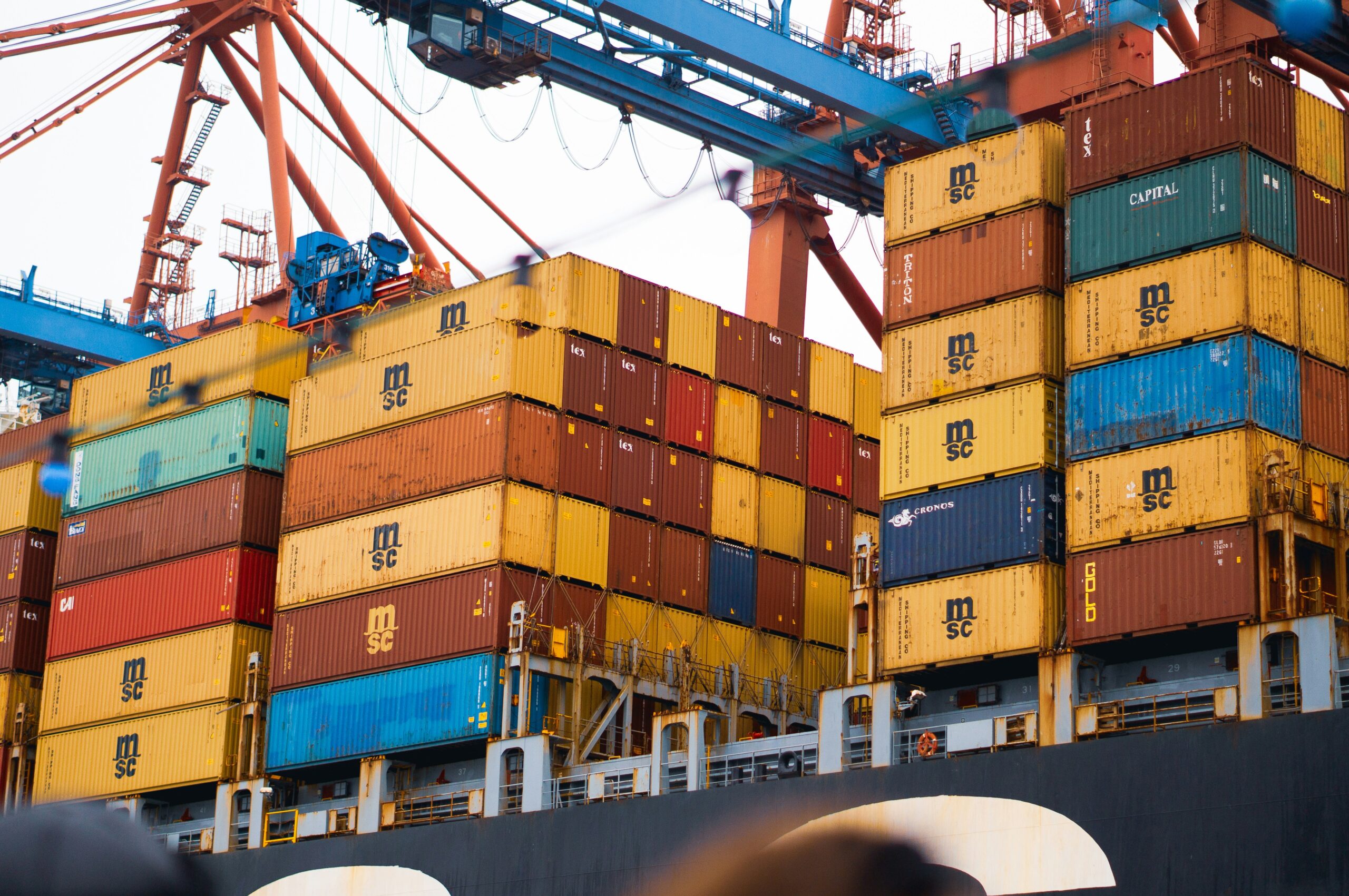
Coal, copper, and rare earth minerals are vital to worldwide supply lines, and mining is a major aspect of Mongolia’s economy. Multinational firms and foreign governments keen to acquire resources have invested in it due to its mineral abundance. However, foreign investments create risks in addition to providing cash, making economic diplomacy a two-edged sword. Concerns over economic overdependence are raised by China’s hegemony in Mongolia’s commercial environment. The goal for Mongolia is to expand its mining-related businesses, draw in sustainable investment, and diversify its trading alliances. For long-term economic resilience, it is essential to fortify relationships with alternative markets such as the European Union, Japan, and India.
Mongolia and the United Nations
Mongolia has had a significant impact on international peacekeeping despite its modest size. It has made a substantial contribution to international security initiatives as a United Nations member, especially by taking part in UN peacekeeping operations. Mongolian forces have gained international recognition for their service in Afghanistan, South Sudan, and Sierra Leone. This pledge strengthens Mongolia’s reputation as a responsible global actor and increases its diplomatic legitimacy.
Cultural diplomacy
The ancient Buddhist traditions and Genghis Khan’s legacy form the foundation of Mongolia’s cultural heritage, which is vital to its diplomacy. It uses historical linkages to establish diplomatic relations, especially with nations that have a similar Buddhist or nomadic past. Cultural diplomacy frequently strengthens ties with Tibet, India, and portions of Central Asia. Furthermore, Mongolia is a fascinating partner for Western countries due to its contemporary democratic identity and nomadic customs. Its worldwide visibility is increased by holding international cultural events, advancing Mongolian studies overseas, and encouraging interfaith discussions. One effective strategy that Mongolia uses to preserve its soft power abroad is cultural diplomacy.
Maintaining independence
Mongolia has a distinct approach to defense, focusing on neutrality and forming strategic alliances. Its military strategy is non-aligned; it avoids official alliances but engages in cooperative exercises with nations such as the United States, Japan, and NATO allies. The Mongolian Armed Forces have gained international attention for their efforts in disaster relief and peacekeeping. To avoid becoming a pawn in the great power struggle, Mongolia must carefully manage security factors as regional tensions increase. To protect its sovereignty in a world that is becoming more unstable, it will be crucial to modernize its defenses, bolster cybersecurity, and uphold diplomatic neutrality.
Environmental diplomacy
Due to desertification, harsh winters (dzuds), and water scarcity, climate change is a danger to Mongolia’s traditional way of life. In light of this, Mongolia has actively participated in international environmental campaigns and promoted sustainable development. It works with global organizations on renewable energy, forestry, and climate adaptation initiatives. The nation has committed to cutting carbon emissions and growing green energy projects, especially those using solar and wind power. Mongolia can get funds for sustainability initiatives and improve its diplomatic relations with nations that care about the environment by establishing itself as a champion of climate resilience.
You may also find these articles helpful
Foreign diplomatic relations of Sierra Leone