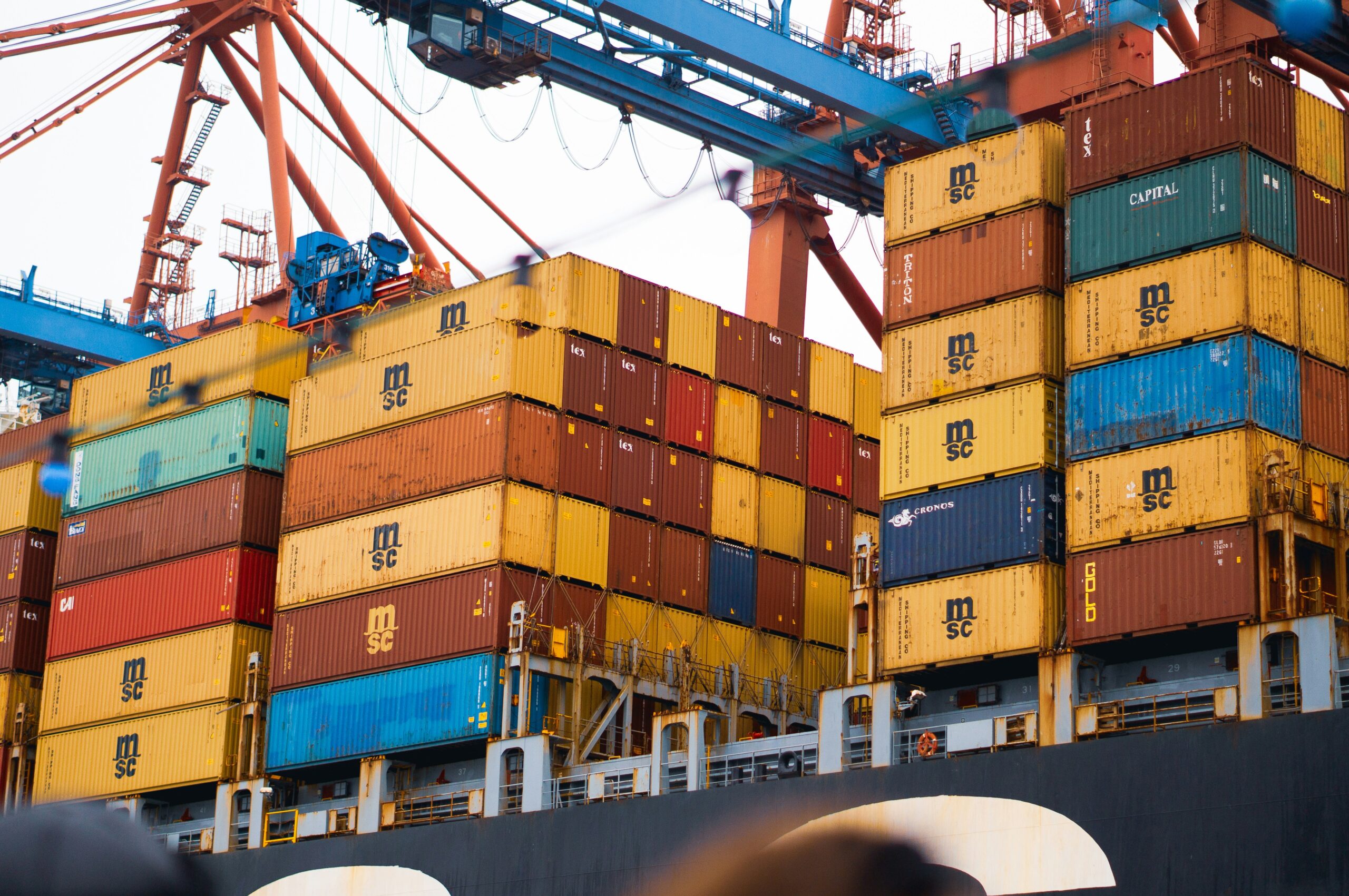
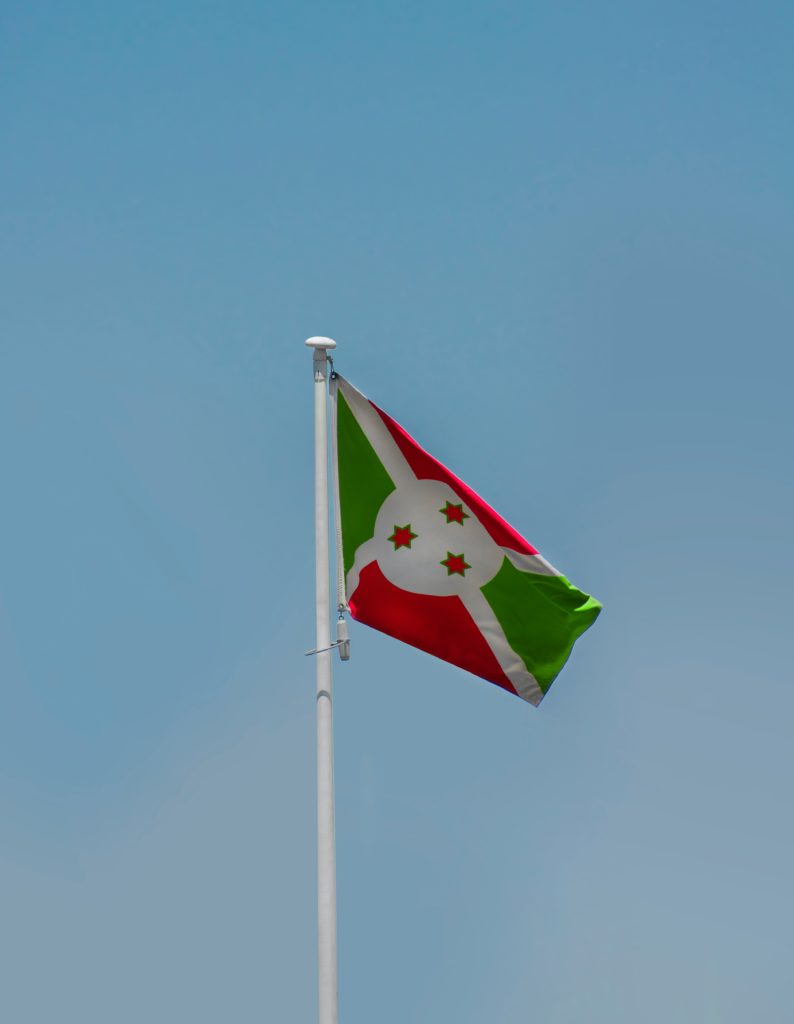
A country’s customs agencies collect import duty, which is a tax, on imports and some exports. The import duty is often determined by the item’s worth. A customs duty, tariff, import tax, or import tariff may also be used to refer to import duty, depending on the situation. As a percentage of total tax collection in 1999, Burundi’s customs and other import charges were 17.80. In the last 26 years, it has fluctuated between 33.04, its highest value, and 15.57, its lowest value. Customs and other import levies are all taxes taken on imports of goods or from nonresidents who provide services to citizens. They consist of taxes levied for protection or income that are calculated on an ad valorem or specified basis as long as they are restricted to imported goods.
Real-world case study
In reality, import duty is assessed when merchandise enters the nation. For instance, when a shipment of goods enters the country, the importer of record (the owner, buyer, or a Customs broker) is required to file entry documents at the port of entry and pay the estimated duties to Customs. The imported commodity, the country of origin, and several other criteria all affect how much duty is charged. The HTS, which comprises several hundred entries, is used by Customs to calculate the appropriate rate. For customers, the price they pay includes duty fees. Consequently, if all other factors are similar, the identical good produced internally should be less expensive. Years are needed for someone to learn how to classify an item to determine its correct duty rate. To set the appropriate import duty for any goods, specialist knowledge is required. For instance, you could be interested in learning the duty rate for a wool suit. Will a classification expert need to know whether it has darts? Does Israel or another nation that is eligible for duty-free treatment for particular product categories supply the wool? Where was the outfit put together, and is the lining made of synthetic materials?
Determining import duties
The following variables are taken into account for determining duties:
The worth of the products
Even if the products are not sold, the value is determined by their respective market worth.
Agreements on free trade
These agreements may result in a reduction in import taxes.
Details of the products
The description classifies the products to which a flat rate of duty may be applied, subject to further conditions.
Mixed tariff structure
If the import tariff is set at a rate of 35 percent, it has the potential to increase tax collections in East Africa by 5.5 percent, and by 3.9 percent and 4.9 percent if it is set at 30 percent and 33 percent, respectively.
According to the analysis, an additional 6,781 jobs will be created in the region if a duty of 35% is placed on finished goods imported into the area. If the rate is set at 30% or 33%, an additional 5,055 jobs and 6,089 jobs will be created, respectively.
The report, which was presented to the Sectoral Council of Ministers on Trade, Industry, Finance and Investment (SCTIFI) EAC Extra-Ordinary Meeting on February 18, claims that a maximum tariff of 35% renders the use of Stay of Applications (SOAs) and the adoption of mixed Customs tariff structures unnecessary.
It also ensures that the protection embedded in the 35 percent tariff has the potential of increasing investment and enhancing technologies and productivity in response to better market opportunities within the region through intra-regional trade.
“From the simulation findings, it is recommended that a maximum CET of 35 percent be adopted for products falling under the fourth band (462 tariff lines as per the EAC CET 2017 version)” according to the report.