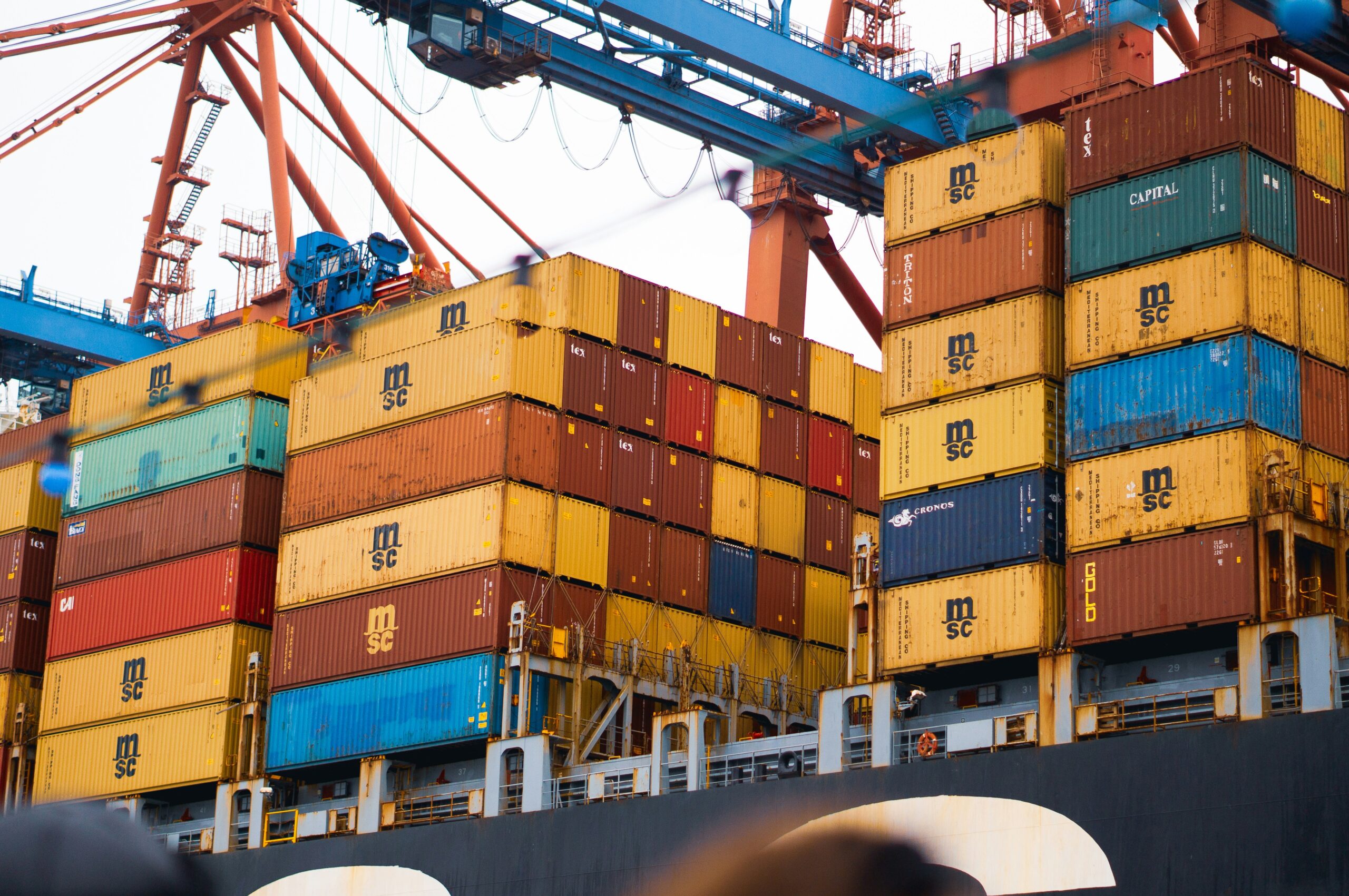
Import duties are taxes on goods brought into the Cayman Islands. Nearly every imported article, whether meant for business or personal use, pays these taxes. This is administered by CBC, short for Customs and Border Control, to ensure that all activities comply with local laws. The rates of duty apply according to CIF: cost, insurance, and freight for the calculated duties. These rates vary depending on the kind of products.

The lack of conventional taxes is the reason for the dependence on import tariffs. This strategy keeps the territory appealing as a tax-neutral jurisdiction while guaranteeing the government can finance infrastructure and public services. Anyone wishing to bring items into the Cayman Islands must thus understand how import tariffs operate.
Tax rates
Depending on the kind of goods, import tariffs in the Cayman Islands often vary from 0% to 27.5%. Below are a few typical rates:
Household goods
Generally, 22% tax is applied to items such as beds, shoes, and clothes.
Electronics
Items like computers and cell phones often have a 22% duty rate.
Vehicles
The tax on imported automobiles is determined on the kind, age, and engine size. Large-engine vehicles may be subject to up to 42% duty, whereas electric cars may be eligible for lower or no charges.
Tobacco and alcohol
Tobacco and alcohol are subject to high taxes; tobacco is charged per unit, while alcohol is taxed by volume and kind.
Building items
Frequently imported for use in building, these items are subject to a 15% duty charge.
Furthermore, certain specialist and luxury products could fetch greater prices. In order to prevent unforeseen expenses, importers must be aware of the relevant tariffs for their products.
Concessions and exclusions
Certain items and people could be eligible for duty rate reductions or exemptions. As long as they don’t exceed the permitted limitations, passengers’ personal belongings carried in for their own use are often duty-free. Subject to residence verification and value restrictions, Caymanian citizens returning from overseas may also be eligible for discounts on items bought overseas.
Exemptions are granted to registered charities for the importation of commodities to assist their charity endeavors. By imposing lower or no taxes on products like solar panels, energy-efficient appliances, and electric cars, the government further encourages green efforts. These exclusions are intended to lessen the territory’s dependency on fossil fuels and promote environmental sustainability. When importing items for certain sectors or development projects, businesses may also take advantage of tariff discounts.
Import documentation and procedures
It is necessary for importers to comply with strict protocols and necessary documentation to import into the Cayman Islands. Importations must be declared on a customs declaration form, indicating the nature, quantity, and value of such imports. Along with shipping documentation like a bill of lading or air waybill, importers are also required to provide invoices or receipts as evidence of purchase.
The duty is computed by the Customs and Border Control agency using the goods’ CIF value. Prior to the products being given to the importer, full payment must be received. Using a customs broker may assist expedite the procedure and guarantee that all regulations are met for big shipments or business imports.
Repercussions for non-compliance
Penalties, such as fines and the seizure of goods, may result from breaking customs laws. To prevent these problems, importers must make sure that tariffs are paid on schedule and make proper declarations. Non-compliance may also cause delays in the distribution of products, which can result in higher expenses and logistical difficulties.
Tips for importers
You may make better plans and steer clear of surprises by being aware of the tariff codes and tax rates that apply to the commodities you are importing. For reference, maintain thorough records of all shipping paperwork, invoices, and declarations. Utilize duty exemptions or concessions to save expenses if you are qualified. To guarantee seamless compliance with the regulations, think about speaking with a customs broker or legal expert for complicated or large-scale imports.
Keeping abreast of any changes to import laws or duty rates is also beneficial. You can make sure your imports comply with current regulations by regularly consulting with customs officers or industry specialists.
You may also find these articles helpful
Foreign diplomatic relations of the Cayman Islands