Liechtenstein forms a customs union with Switzerland and is part of a unified customs territory with Switzerland. Key points include:
Customs union with Switzerland
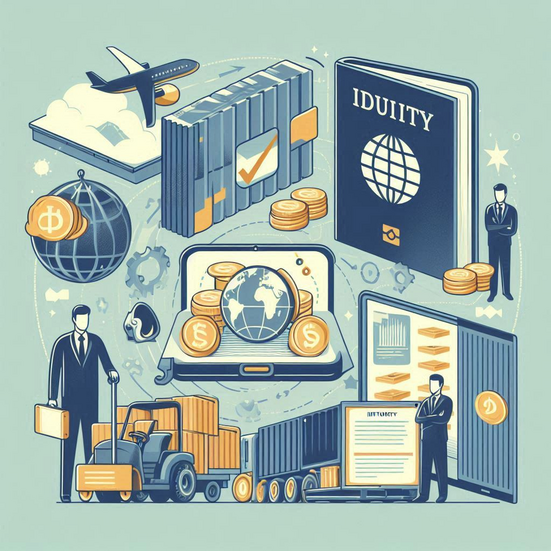
It is a customs union so goods entering Liechtenstein are taxed and dutied like goods entering Switzerland. The regulations for both countries are overseen by the Swiss Customs Administration.
Value-added Tax (VAT)
The standard VAT rate applied on imported goods in Liechtenstein is 7.7% and a reduced rate of 2.5% (for essential goods such as food, books and medicine).
Duty rates
Duties depend on product category and are normally determined on a weight, quantity, or value basis, depending on the product. The Swiss Customs website also allows checking of specific duty rates.
Exemptions and limits
Travellers entering Liechtenstein are also exempt from specific quantities of alcohol, tobacco and small-value personal goods.
Prohibited and restricted goods
Certain agricultural products, plants and animal products may be restricted or have to be permitted.
Third-country imports
Import duties may apply for goods imported from outside the EU/EFTA area unless an agreement accepts goods from them.
Machinery and equipment
Machinery and equipment of all types are being imported to Liechtenstein, including industrial, manufacturing and special equipment for precise industries. The manufacturing subsector consists of machinery production that comprises precision instruments, electronics and medical equipment machinery.
Metals and metal products
The metals and metal products imported by Liechtenstein are iron, steel, aluminium and copper. It’s in the manufacturing and construction industries that they are usually employed.
Electrical and electronics
Consumer electronics and telecommunication equipment and electrical equipment which can be used in appliances, and parts that could be used in the manufacture of electronics are imported.
Textiles and apparel
Textiles, fabrics, and apparel items are imported to meet the needs of the population of Liechtenstein. The local textile industry imports both finished products and raw materials.
Food and Beverages
A large portion of the food and beverages Liechtenstein imports include fresh produce, packaged food items, beverages and agricultural products.
Energy
Energy resources for use in Liechtenstein, such as oil, gas and electricity, are imported by Liechtenstein. Being landlocked, it also does not have major domestic energy production.
Liechtenstein import duties
Liechtenstein has fairly high import duties, which are comparable to those of Switzerland. The two countries have a customs union.
Key points to remember
They include:
Swiss Customs Union
Liechtenstein is a member of a customs union with Switzerland. This means that goods imported to Liechtenstein are to be treated the same as those imported to Switzerland.
Low Tariffs
Switzerland and Liechtenstein have low tariffs on imported goods, especially those from other European countries on the whole.
Value Added Tax (VAT)
Import duties are in addition to VAT on imported goods. At present, the Swiss VAT rate is 7.7%.
Free Trade Agreements
Swiss exports also benefit from many free trade agreements which may well contribute to some reduction or eventual elimination of import duties applicable to certain goods from a defined country or area respectively.
Customs Procedures
It is important to understand and comply with customs procedures in order to have smooth importation. It includes documentation, inspections and even fees.
Restricted
Travellers can import up to two firearms if they can prove the weapons will be used for hunting or sporting contests. If you can not comply with the above restrictions, you should also obtain prior authorization from the local police department.
Restrictions also apply to plant and plant products and entry into the country will need special permission.
Animal and animal products such as milk, eggs, meat and honey are not permitted to enter the country from non-EU countries. All dogs and cats imported into a country with Rabies will require a special certificate eliminating any infectious diseases from the animal.
If you require more specific rates or specific information, you should contact the Swiss Customs Administration because they take care of all customs procedures in Liechtenstein.
When thinking through these factors and contacting the appropriate authorities they can assist you in importing into Liechtenstein successfully.
You may also find these articles helpful
TRADE AGREEMENTS IN LIECHTENSTEIN