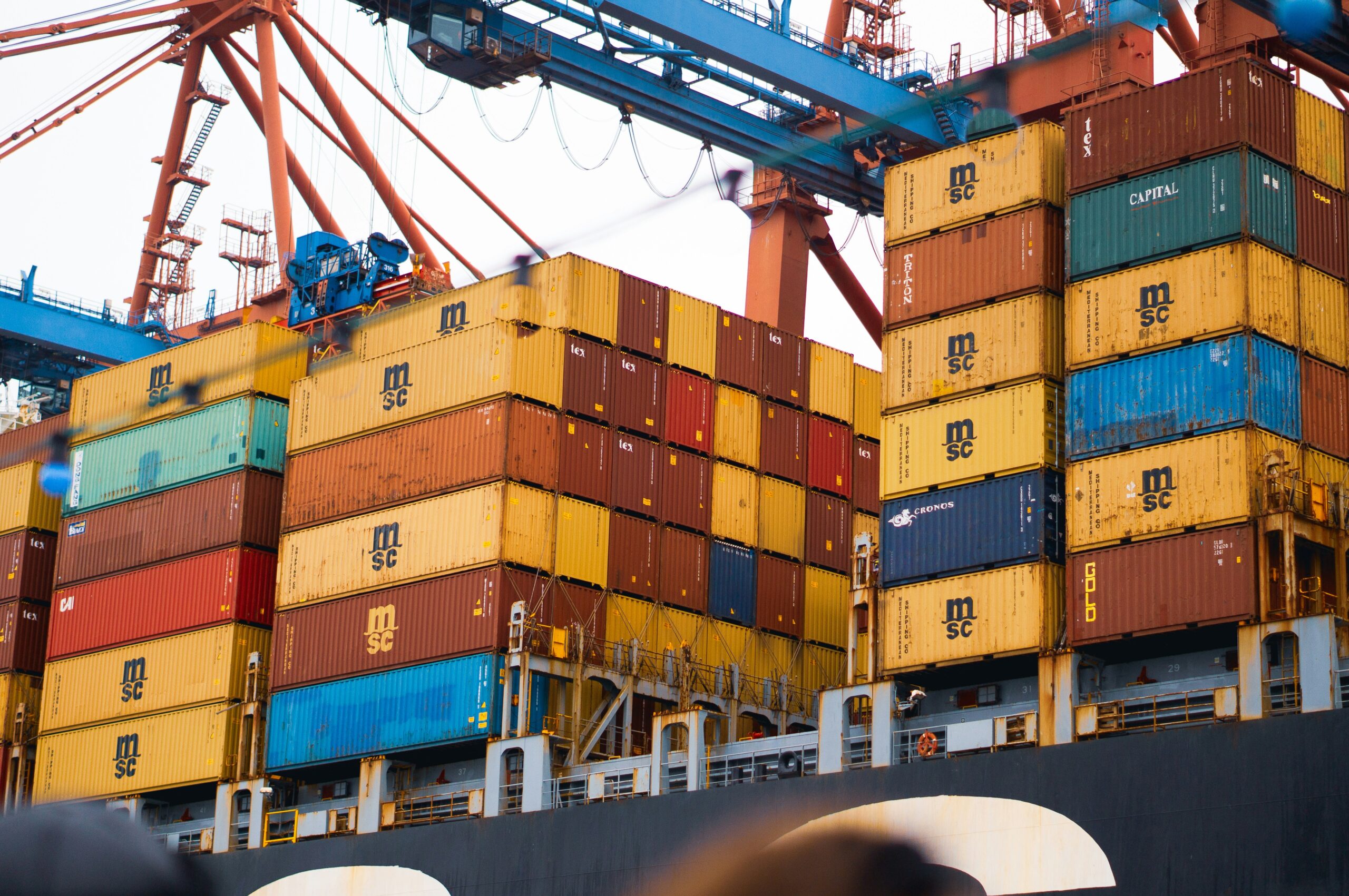
The Montenegrin economy is open, small and based on free trade. There are no non-tariff trade barriers and the customs duties are low. The Tariff System is prescribed under the Law on Customs Tariffs. Rates are zero to 30 percent. Through customs tariffs, the exported goods are not calculated.

Import requirements and documentation
Includes import documentation. The sales and bill of landing documentation involved in the import/export process is typically of the run-of-the-mill variety. Montenegro is in the process of reducing the tariff and non-tariff barriers to trade through the reform of the trade and custom-related institutions, trade regime liberalization and harmonization of the import documentation with the EU. For the most part, import licensing regimes were dismantled in 1999. Yet, import licenses are required for arms/ammunition, military and police equipment, antiquities, works of art, and precious metals. Waste and substances damage the ozone layer. Government officials have said that in all the successful cases, the license is granted in less than 30 days, it is valid for multiple shipments within the validity time span and a license is easy to obtain. According to the terms, the customs tariff is fully harmonised with EU legislation. Goods value, as the customs assessment base, is the contract price. Yet Customs Law is only about the general procedures for trading of goods.
Montenegro import/export legislation
Montenegro is not a member state of the European Union and therefore Customs regulations for companies doing import and export activities are different from those for European Union member states. But Montenegro’s government adheres to many international standards and has signed some agreements with countries with which it has strong economic ties. The Law on Customs Tariffs is the main act regulating the import/export of goods in the territory of Montenegro and was adopted in the first quarter of 2006. One year later, when the tariff classification was also updated, the new act was adjusted to the EU’s Harmonized System, bringing Montenegro little by little into the European Union.
Imported and exported products in Montenegro
Montenegro is ranked 167 among other countries in terms of export economy. To join the World Trade Organization, Montenegrin authorities have made major trade policy reforms. The customs duties have been reduced and the tariff and the non-tariff barriers removed.
From Montenegro exports, raw aluminium (21.6%), electricity (9.4%), wood products (5.5%), dried vegetables and wines (4.9%) are all critical. The steel industry accounted for exporting bars of iron or steel of any alloy performed by Montenegrin companies in this sector. Serbia, Italy, Bosnia and Herzegovina, Belgium and Pakistan are Montenegro’s largest export destinations.
Petroleum oils and oils obtained from bituminous minerals in Montenegro imports are 7.6%, cars and vehicle motors are 3.7%, pharmaceutical products are 2.7% and electrical energy are 2.2%. The investigation found that out of all the imports Montenegro will be importing from the companies that produce food products, fresh or frozen meat will be 2.3% of all imports. The imported goods and merchandise come mainly from: Cricinfo, China, Croatia and Italy.
Montenegro’s main import-export partners
Montenegro has good economic relations with countries all over the world, but it bases its basic trading activities in Europe. Where it mainly exports locally produced goods. The main export destinations of Montenegro are Serbia, Hungary, Slovenia and Russia. The most imported goods come from Serbia, China, Croatia and Italy.
Import documentation and customs regulations for exporters in Montenegro
The U.S. exporter and foreign importer requirements include import documentation and other requirements. Most of the import/export documentation process in Montenegro is fairly standard (normally including bill of landing and related sales documents). As Montenegro is liberalizing its trade regime and reforming the trade/custom-related institutions, it is moving to harmonize its import documentation with the EU. From 1999 on, import licensing regimes had been and were dismantled for the most part. For arms/ammunition, military and police equipment, antiquities, works of art, precious metals, waste, and substances harmful to the ozone layer, import licenses are required. Getting a license is not hard, government officials say, and licenses are issued within 30 days of all successful attempts and may be used for several shipments during validity. The customs tariff, as an integral part of the Customs Tariff Law, was developed in full accordance with the terms harmonized with EU legislation. the import duties are set. The contract price is the customs assessment base value of goods. Although Customs Law generally concerns general procedures for trading goods, the Trading of Goods and Importing Goods Law concerns special procedures.
Montenegro import/export legislation. As Montenegro is not a member state of the European Union yet, then it has its own Customs regulations for the trading companies doing the import and export work. The government, however, has followed different international standards and concluded some agreements with the countries with which Montenegro has close economic relations. The main act concerning import/export regulations in Montenegro is the Law on Customs Tariffs which came into force in January 2006. Since then, the new act has been adjusted to the EU’s Harmonized System following the update of that classification, so Montenegro has started slowly getting ready to enter the European Union.
You may also find these articles helpful
Trade agreements in Montenegro