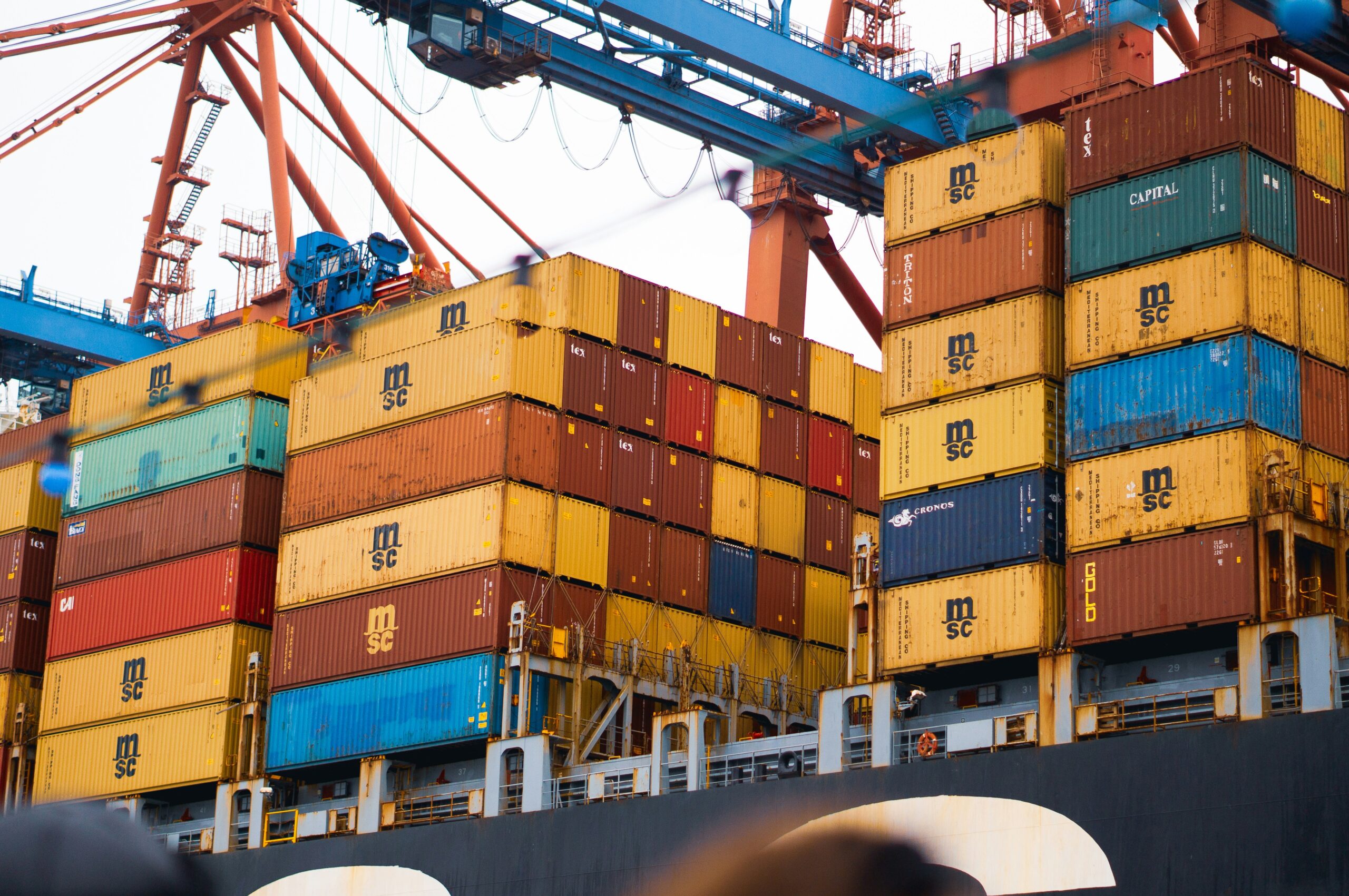
In the Bahamas, import taxes are essential to keeping the government’s income stream stable. The income coming from these tariffs is a major part of the budget system in any country as this country is import dependent due to low domestic production. Taxes on imports are revenue resources that help sustain vital industries such as public services, healthcare, education, infrastructure development, and much more. Import taxes also provide states with the opportunity to regulate the volume of foreign products penetrating the market to ensure that domestically produced goods are competitive in the market place. High taxes on what may be considered luxury or non-essentials tend to promote better spending habits by the government.

How import duties are calculated
In the Bahamas, import tariffs are determined by considering the imported products’ CIF (Cost, Insurance, and Freight) value. This sum includes freight, insurance, and the purchase price, and it reflects the whole cost of importing the items into the nation. Following the determination of the CIF value, the relevant duty rate is applied. The duty rates for different types of items that are being imported vary greatly. Essentials like basic groceries and medications, for example, usually have lower taxes, whereas luxury products and automobiles have substantially higher taxes.
Duty rates for different goods
Imported goods in The Bahamas are subject to tariff charges that vary from 0% for bare necessities to 220% for luxury goods. To maintain affordability, the government often imposes lower or nil duty rates on necessary medications, fresh food, and baby formula. High-end gadgets, jewelry, and designer clothes, on the other hand, are subject to far higher prices in an effort to raise money and reduce overconsumption.
Automobiles are yet another significant import category that is subject to different taxes. The size and kind of an engine have a significant impact on a vehicle’s duty rate. While bigger or luxury automobiles may incur charges of up to 65%, smaller, fuel-efficient cars are taxed at reduced rates, usually around 25%. Vehicles that are outdated or have low fuel economy may also be subject to additional environmental fees. Popular imports like electronics and household appliances often have duty rates in the middle of the range, which may range from 25% to 45%, depending on the item.
Exemptions and concessions
A number of import duty exemptions and concessions have been put in place by the Bahamas’ government to help certain sectors and groups of people. Duty exemptions, for example, may be available to visitors who bring personal belongings into the nation as long as the combined worth of the things does not above a certain level. Residents may carry up to $300 worth of duty-free products when they return from overseas.
Various government incentive schemes also provide preferential consideration to certain businesses. Applying for tariff exemptions may lower the cost of importing supplies and equipment for companies in industries including renewable energy, tourism, and agriculture. The aforementioned steps are intended to promote sustainable development and stimulate investment in vital sectors of the economy. Because of these special conditions, import tariffs are also waived for diplomatic commodities and disaster relief supplies.
Customs procedure
There is a thorough customs clearance procedure involved in importing goods into The Bahamas. To properly declare the value and nature of the goods, importers must provide thorough documentation, such as invoices, proof of payment, and shipping information. Customs officers may inspect the goods to verify compliance with regulations; and before the goods are released, all applicable duties and taxes must be paid. Serious consequences, such as fines or the seizure of the commodities, may arise from under-declaring products or from breaking customs regulations.
The impact on the economy and consumers
Import taxes have a big impact on how much it costs to live and conduct business in The Bahamas. Consumers often pay more for imported items at retail as a result of these tariffs. The cumulative impact of customs, freight, and other related expenses may make basic requirements costly even when they are subject to lower tax rates. Businesses must deal with rising operating expenses, which may affect profitability, especially those that depend on imported raw supplies.
Import taxes are essential for safeguarding domestic industries since they reduce the competitiveness of imported products, notwithstanding these obstacles. Local manufacturers now have the chance to prosper in certain industries. Businesses that are eligible for duty exemptions under government incentive schemes may also save expenses and improve their market position.
Looking ahead
In order to reconcile income collection with affordability, economic growth, and economic development, the Bahamian government keeps evaluating and improving its import tariff system. Efforts are underway to lower the price of necessities, provide incentives for companies in developing sectors, and expedite customs processes to increase productivity. These adjustments are meant to preserve budgetary sustainability while fostering a healthier and fair-trading environment.
You may also find these articles helpful
Trade Agreements in the Bahamas
Foreign diplomatic relations of the Bahamas