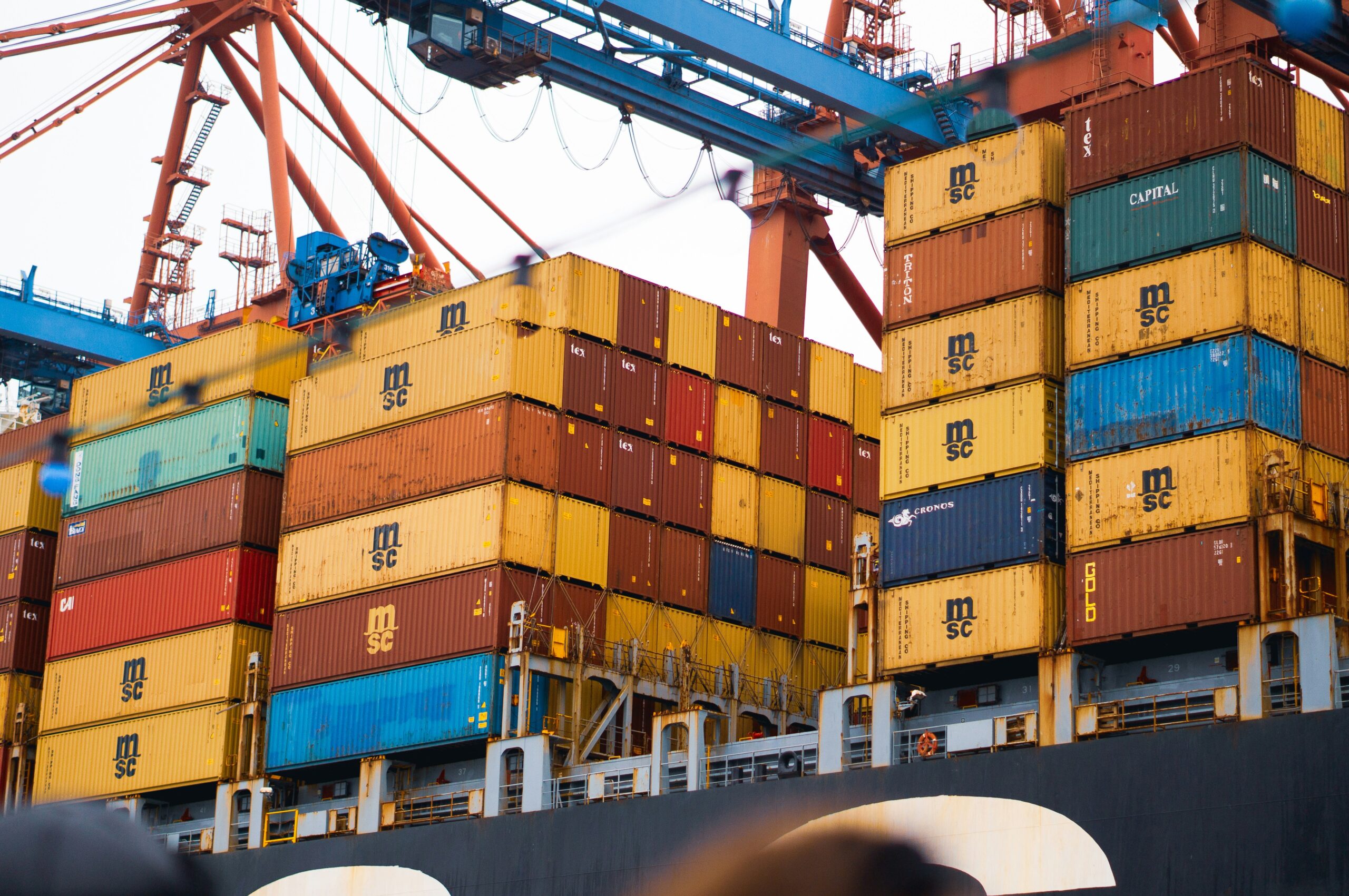
The US government demands import duties as charges on things that are brought into the country. With guarantee that imported items comply to the country’s exchange rules and guidelines, the U.S. Customs and Border Protection (CBP) division is accountable for gathering these obligations. By and large, the worth of the imported items, their country of beginning, and their arrangement under the Harmonized System (HS) code decide how much obligation is paid. Import charges are fundamentally expected to defend home businesses by raising the expense of imported things, which might convince purchasers to pick locally made products instead. Additionally, duties assist the US government in making money from imports.

Harmonized system (HS) code
A globally standardized method for categorizing commercial goods is the Harmonized System (HS) code. The tariff rate applicable to each commodity is determined in part by its unique HS code. The appropriate tariff rates for all imported items in the US are listed in the U.S. Harmonized Tariff Schedule (HTS). While nations may add additional digits to establish more specialized categories, the first six digits of an HS code are recognized globally. These extra numbers enable even more precise categorization in the US, which may have an effect on the relevant tariff rates.
How import taxes are determined
The Customs Value of the items, which includes the price of the goods, transportation, and insurance, is often used to determine import tariffs in the United States. The following is the formula used to determine import duties:
Duty = Customs Value × Duty Rate
The whole cost of the items, including shipping and insurance, is referred to as the customs value. Depending on the product category, the duty rate—which is established by the HTS code and the nature of the goods—can vary significantly. Certain items, such as textiles, electronics, and agricultural products, may be subject to higher tariffs than others.
Duty exemptions and free trade agreements
Numerous free trade agreements (FTAs) that the US has signed provide certain items preferential tariff treatment. Through the reduction or removal of tariffs on eligible goods, these accords aim to promote commerce between the United States and its trading partners. Among the most important FTAs are:
The United States-Mexico-Canada Agreement (USMCA)
It is previously known as NAFTA. The USMCA is an arrangement between the US, Canada, and Mexico that, assuming specific principles of origin are met, eliminates or brings down duties on many items exchanged between these countries.
Central America-Dominican Republic free trade agreement (CAFTA-DR)
This understanding gives good duty treatment to qualified things and covers business between the Dominican Republic and numerous Central American countries.
Extra FTAs
Also, the U.S. has consented to various arrangements with countries including Singapore, Australia, and South Korea that lower taxes on qualified merchandise.
To be qualified for duty exclusions or decreases, shippers should ensure their items fulfill the vital prerequisites and fathom the conditions of these arrangements.
Goods that are subject to import taxes
Although import charges apply to the majority of goods entering the United States, certain types may be excluded or qualify for lower rates. Depending on their categorization, commonly imported items including electronics, cars, machinery, and apparel may be subject to high charges. But certain items could have reduced tariffs or be duty-free. As an example,
Food items
Certain foods, such as fruits, vegetables, and meats, may be imported under certain trade agreements and thus be subject to lower or no charges.
Literature and printed materials
Depending on their nature, books and other printed materials could not be subject to tariffs.
Personal items
Items imported into the United States for personal use may also qualify for exemptions or lower charges, but they need to fulfill certain requirements.
Tariff regulations and special duties
Certain goods may be subject to countervailing or anti-dumping tariffs in addition to regular import taxes. These are extra taxes placed on items that are subsidized by foreign governments or supplied at unjustly cheap rates (dumped). To shield American sectors from overseas competition that would hurt domestic companies, the U.S. government may apply such levies.
Additionally, the U.S. maintains some taxes on luxury goods and other foreign-made goods that could compete with American goods. The purpose of these tariffs is to control the importation of products that could harm American industry.
Paying import taxes in the US
In most cases, import taxes are paid at the time of importation. CBP requires importers to submit a Customs Declaration that contains details about the products, including the product’s value, place of origin, classification, and description. A foundation for figuring out the relevant duty rate is also provided by the declaration. There are a number of ways for importers to pay duties, such as using electronic payment systems or hiring a certified customs broker to do it for them.
You may also find these articles helpful
Foreign diplomatic relations of the United States of America
The United States–Mexico–Canada Agreement (USMCA)-2020