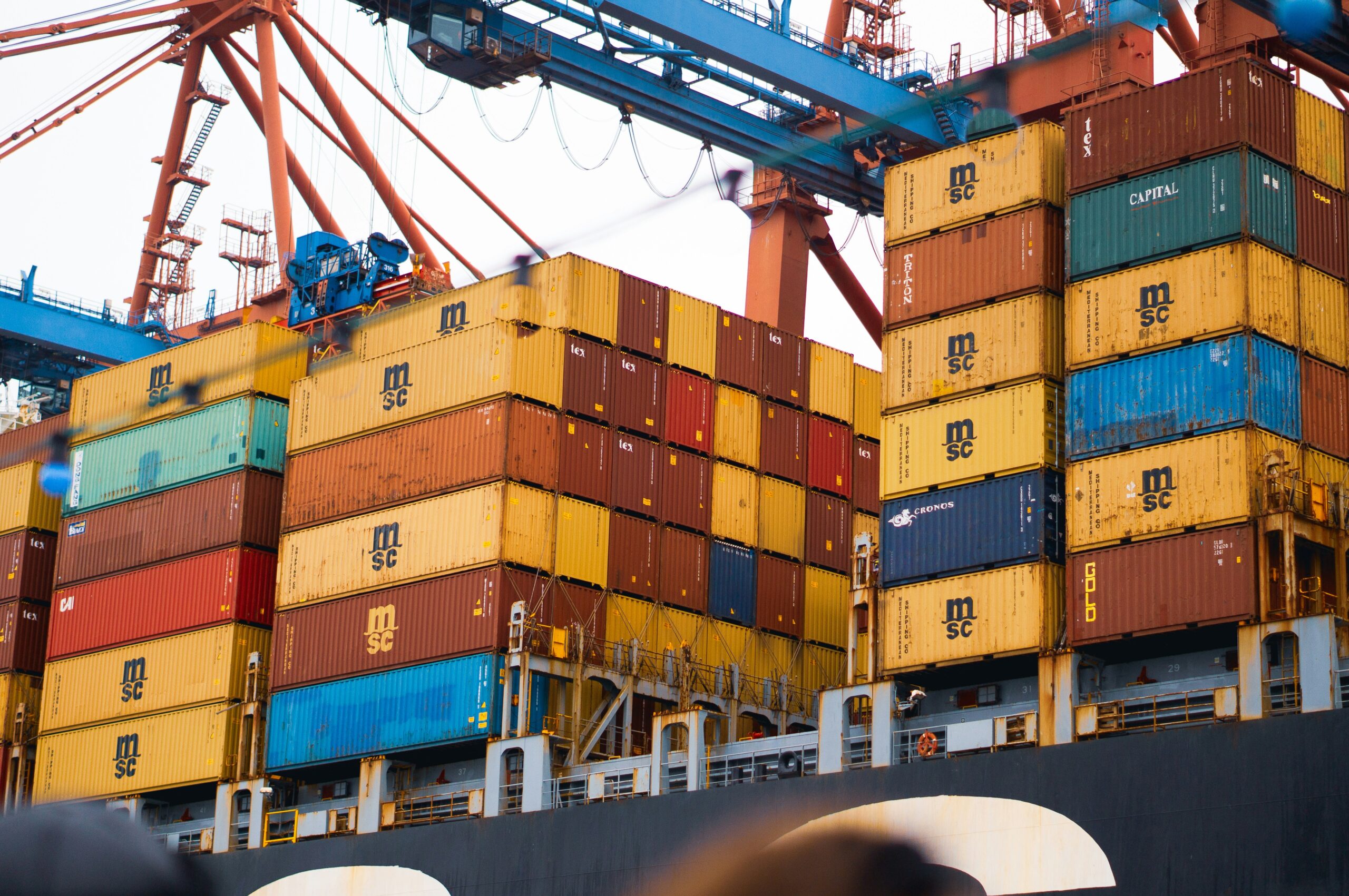
The Dominican Republic is online to meet its 2030 target of being a high-income nation, with a growth of 79 percent predicted in this decade. The Pueblo Viejo mine, Latin America’s biggest gold mine, is located in the country. Even though the service industry now employs the majority of Dominicans, farming remains a significant local market player and ranks second concerning export revenues.
The United States is the Dominican Republic’s most important economically (about 40 percent of total commercial exchange). Mexico, Brazil, Puerto Rico, the European Union, the Netherlands, India, Spain, Haiti, Germany, the United Kingdom, Canada, and Japan, in that order, are the other significant trade allies.
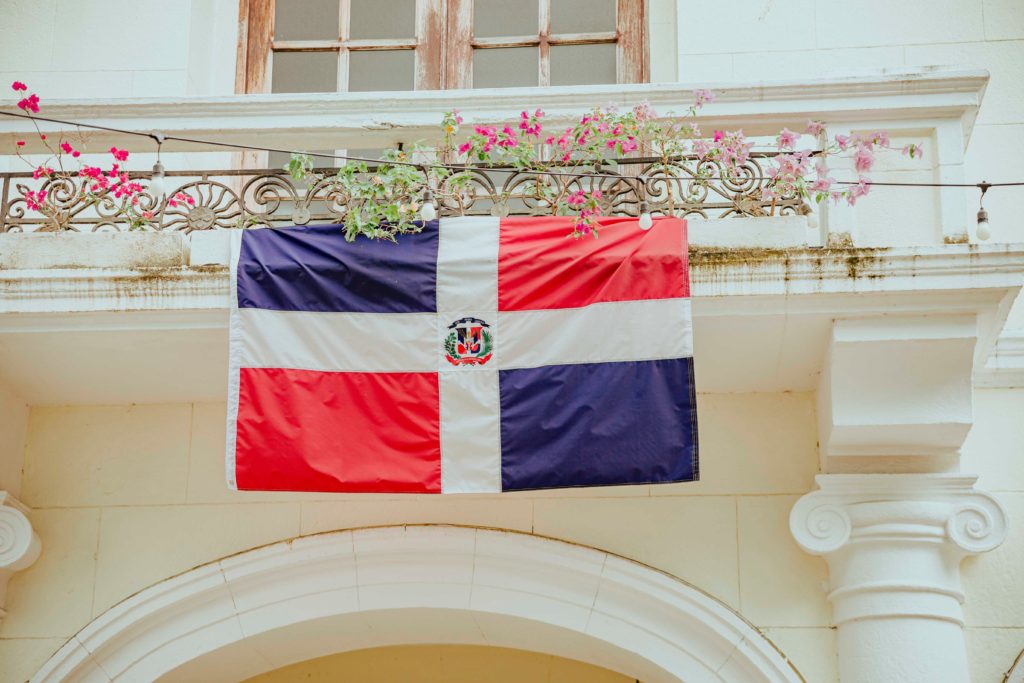
Trade agreements in the Dominican Republic
The Dominican Republic has Multilateral Economic Relations with WTO participants, free trade pacts with CARICOM, CARIFORUM, and Central America, a Special Trading Bloc with Panama, and Bilateral Investment Treaties with Morocco, Finland, Korea, Italy, France, Chile, Switzerland, Panama, Taiwan, Spain, and the Netherlands.
Multilateral agreements
A multilateral agreement is a trade agreement involving three or more countries. It ensures that all signatory countries, also known as signatories, are on an equal footing. With WTO members, the Dominican Republic has a multilateral relationship.
World Trade Organization
The Dominican Republic has been a member of the World Trade Organization (WTO) since March 9, 1995, and of the General Agreement on Tariffs and Trade (GATT) since May 19, 1950.
The WTO mandates global standards for the creation, authorization, and implementation of sanitary and biosecurity rules to prevent such measures from being used to impose arbitrary or unjustifiable trade barriers. Furthermore, the accords place a high priority on reducing technical barriers to international trade.
The WTO Agriculture Act incorporates specific and binding guarantees made by WTO Member nations in the market entrance, domestic support, and export subsidization.
The World Trade Organization (WTO) Treaty was established to reduce trade barriers and enforce fair and equitable laws. The most favored national policy, national service idea, generalized ban concept, and tax regulations are essential WTO concepts.
Free Trade Agreements
A free trade agreement, sometimes known as a treaty, is an international agreement that establishes a free-trade zone between collaborating countries.
CARICOM
The Caribbean Community and Common Market (CARICOM) is a group of 20 rising Caribbean countries, including the Dominican Republic. These countries have gathered together to form a financial and political union to establish regional regulations and promote economic development and trade.
The main objectives of CARICOM are to improve economic contacts and collaboration among its members, as well as to ensure that the benefits of integration are distributed fairly and to organize foreign policy.
CARIFORUM-EU
In October 2008, several countries, including the Dominican Republic, adopted the CARIFORUM-EU Economic Cooperation Treaty with the European Union. This Economic Partnership Agreement (EPA) enables investment and trade between the two regions while guaranteeing that member countries have consistent access to EU markets.
As a result of this agreement, the EU market for services, including creative and media firms, will gradually open up. It also ensures duty-free and quota-free access to the EU market for all products. Furthermore, the deal enables CARIFORUM businesses to establish a presence in the EU.
Dominican Republic-Central America FTA
The Dominican Republic-Central America Trading Relationship (CAFTA-DR) is the United States’ first free trade deal with a set of smaller emerging markets. Costa Rica, El Salvador, Guatemala, Honduras, Nicaragua, and the Dominican Republic are emerging economies. CAFTA-DR encourages increased economic ties, development, and stability across the area and along our southern border.
As items travel across borders and are produced into finished goods, trading under CAFTA-DR promotes Made-in-America employment and opens up prospects for well-paying work.