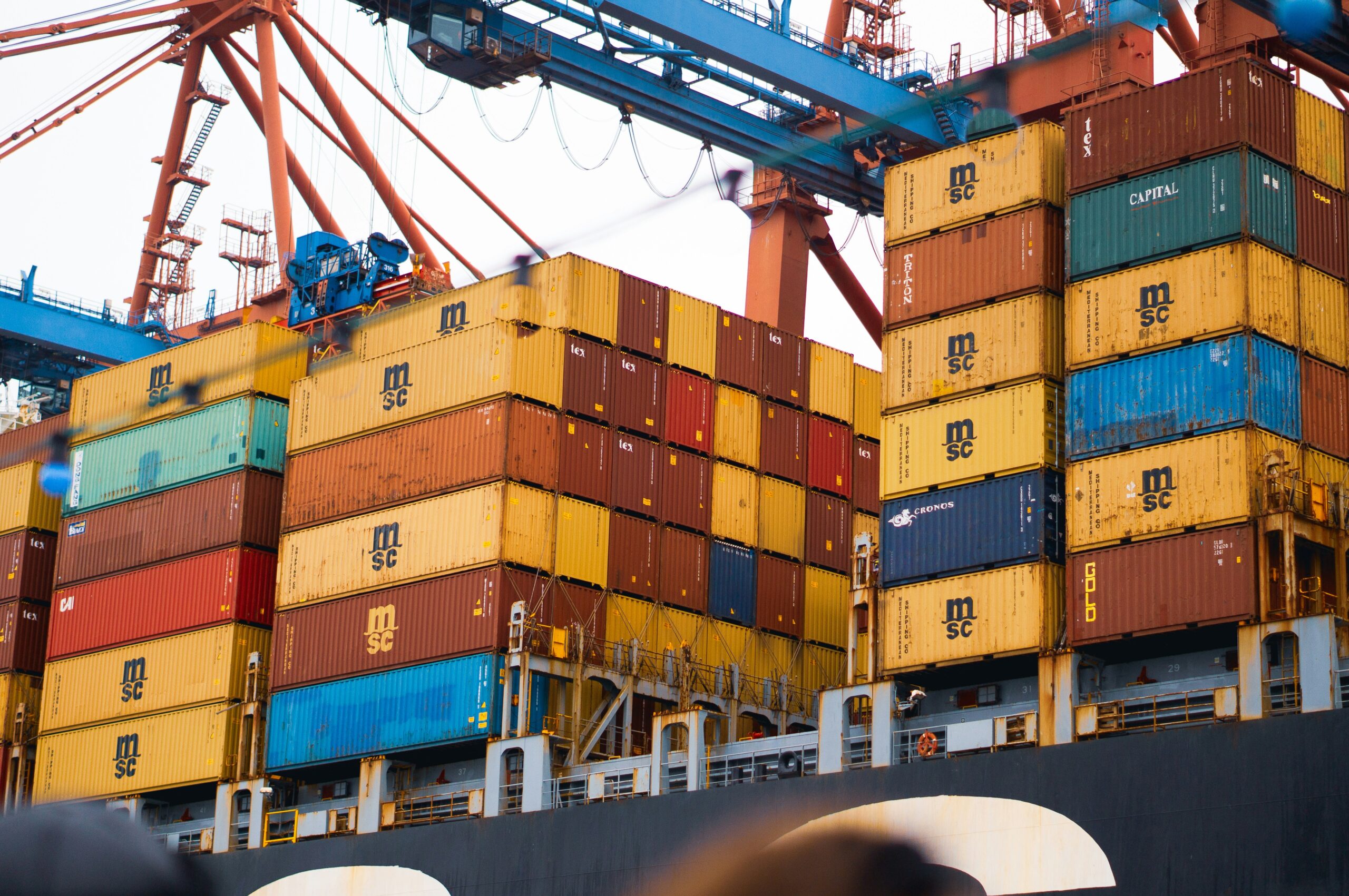
Moldova, a tiny but vibrant nation with unrealized potential in global commerce, is tucked away in Eastern Europe. Moldova, which is well-known for its rich soil, thriving wine industry, and developing manufacturing sector, presents special chances for exporters wishing to reach international markets. This book will assist you in navigating the procedures, difficulties, and benefits of exporting goods from Moldova.
Why Moldova is poised for export success
Moldova is positioned as a vital economic gateway due to its location between the Commonwealth of Independent States (CIS) and the European Union. The nation offers exporters several competitive advantages:
- Access to Free Trade Agreements (FTAs)
Moldova has free trade agreements (FTAs) with Turkey, the European Free Trade Association (EFTA), the EU, and the CIS nations.
- Specialized products
Moldova excels in exporting wine, agricultural goods, textiles, and electronics.
- Low operational costs
Competitive labor and production costs make Moldovan goods attractive on the international stage.
- Modernized infrastructure
Recent investments in transportation and logistics ensure smoother trade operations.
Now is the perfect moment to look into export prospects because of the rising demand for Moldovan goods abroad.
Key steps to exporting from Moldova
The following are important steps for exporting from Moldova.
- Register your business
Your company must be officially registered in Moldova to export. You can create a limited liability corporation, partnership, or single proprietorship based on your needs. The registration procedure is managed by the Public Services Agency (ASP) and is simple and effective.
- Understand export regulations
Moldova’s export regulations are in line with global trade norms, especially in light of accords such as the EU’s Deep and Comprehensive Free Trade Area (DCFTA). But certain products need unique licenses or certifications, such as:
- Agricultural products
Require phytosanitary or veterinary certificates.
- Alcoholic beverages
Must meet labeling and quality standards.
- Industrial goods
Adhere to technical and safety regulations.
- Obtain an EORI number
An Economic Operator Registration and Identification (EORI) number is required for exporters sending goods to or via the European Union. This unique identity guarantees adherence to EU standards while streamlining customs procedures. Applying for an EORI number is possible through the Customs Service of Moldova.
- Classify your goods
Give your products the appropriate Harmonised System (HS) code. The destination country’s customs charges, taxes, and other trade-related obligations are determined by these codes. If necessary, double-check with a customs broker because incorrect categorization might result in fines or shipment delays.
- Prepare necessary documentation
Thorough documentation ensures your export operations run smoothly. Typical documents include:
- Commercial invoice
Specifies transaction details such as buyer, seller, and payment terms.
- Packing list
Describes the shipment’s contents, weight, and packaging.
- Certificate of origin
Verifies where the goods were produced, required for FTAs.
- Transport documents
Such as the Bill of Lading or Airway Bill, depending on the shipping mode.
- Customs export declaration
A mandatory document for goods leaving Moldova.
Navigating the customs process
Moldova’s Customs Service has digitized much of its workflow, making export procedures faster and more efficient. Here’s a basic overview:
- Submit an export declaration
Use the Automated Information System for Customs Data (ASYCUDA).
- Inspection
Depending on the goods, customs officers may inspect shipments for compliance.
- Pay duties and fees
While many FTAs reduce tariffs, be prepared for fees in countries without trade agreements.
- Clear foods for export
Once approved, your shipment is free to leave Moldova.
Consider hiring a customs broker to handle complex shipments or new destinations.
Challenges and solutions
While exporting from Moldova has many advantages, there are challenges to consider:
- Logistical bottlenecks
Limited transport routes can delay shipments. Partner with experienced logistics providers to optimize routes.
- Regulatory hurdles
Each market has unique standards. Work with trade consultants to ensure compliance.
- Currency risks
Exchange rate volatility can affect profits. Use hedging tools to mitigate risks.
Conclusion
Connecting with international markets through Moldovan exports presents great potential. Moldova is becoming a major force in global commerce thanks to its advantageous position, affordable production prices, and numerous trade agreements. Businesses may take advantage of Moldova’s potential by using this guidance to effectively manage the export procedure. For every business or entrepreneur, exporting from Moldova may be a lucrative venture with the correct planning and tools.
You may also find these articles helpful
Exporting goods from Sudan – full guide
Exporting goods from Zimbabwe – full guide