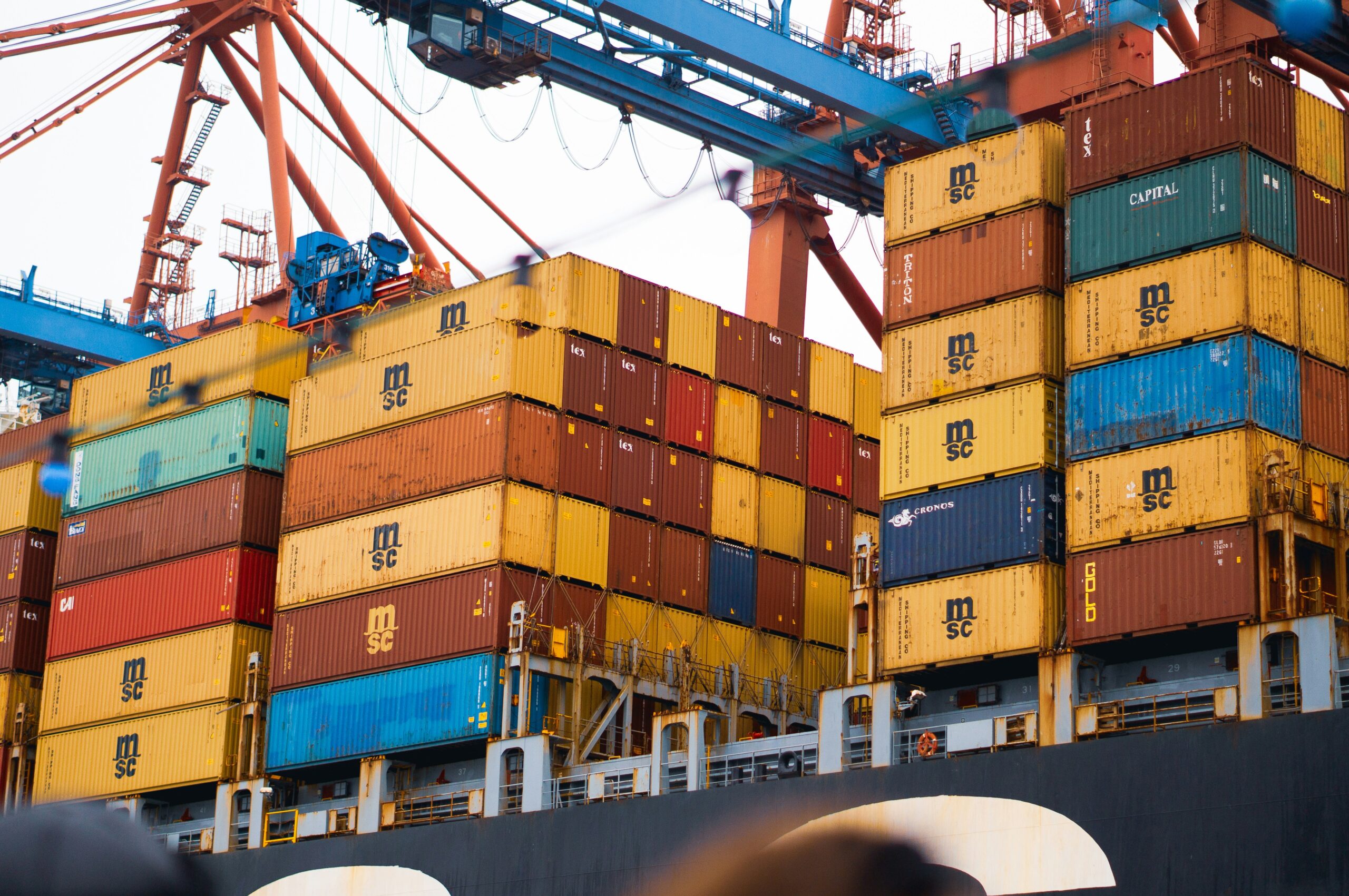
Switzerland leads the world in exports and is well-known for its luxury goods, precise engineering, and agrarian products. However, exporting goods from Switzerland is similar as high- end chocolates, If you understand its complications. Everything you need to know to export products from this Alpine country is included in this text.
Understanding Swiss export market potential
Switzerland’s economy is strong because of its high-quality products and services. It is a desirable trading partner due to its strategic location in Europe, sophisticated infrastructure, and stellar reputation. Food items, chemicals, equipment, and medicines are important export sectors. In nations like China, Germany, and the United States, these products are in great demand. For companies that meet market demands, exporting is a lucrative venture because to the desire for Swiss accuracy and dependability.
Legal and regulatory framework
To guarantee adherence to global standards, Switzerland’s export procedure is regulated by a series of laws and rules. The Swiss Federal Customs Administration (FCA) oversees exports and mandates that companies follow licensing, paperwork, and taxes regulations. Special permissions, such as those for dual-use (civil and military uses) or cultural objects, may be required depending on the kind of commodities. Swiss exporters are also subject to international trade agreements, particularly its special bilateral agreements with the European Union, as well as trade sanctions and embargoes.
Selecting the right export products
Market research is essential since not all Swiss products have the same potential for export. Pharmaceuticals, high-end timepieces, and precise tools are among the most sought-after categories. Another factor is agriculture; Swiss dairy products, particularly cheese, are highly prized across the world. But it’s crucial to comprehend the subtleties of your target market. To find the optimum product match, this entails examining competition analysis, local laws, and consumer preferences.
Setting up your business for export
Prior to engaging in international trade, be sure your company is set up to manage exports. Obtain an Enterprise Identification Number (UID) by registering with the Swiss Commercial Register. Additionally, you must get an Exporter Registration Number with the FCA. The Switzerland Global Enterprise (S-GE) organisation offers helpful information and assistance to companies who are new to exporting. The export procedure can also be streamlined by forming connections with local chambers of business, goods forwarders, and customs brokers.
Navigating export documentation
When exporting products from Switzerland, accurate and comprehensive paperwork is essential. The business invoice, packaging list, document on origin, and export paperwork are the main papers needed. Additional paperwork like phytosanitary documents, quality assurance credentials, or specialised permissions can be required, depending on the final destination. This procedure is made simpler by the Swiss Electronic Export Declaration (EDEC) system, which allows exporters to make declarations online and monitor approvals in real time.
Dealing with customs clearance
Getting through customs clearance involves accuracy and following the rules. Upon departing Switzerland, goods are subject to inspection and paperwork verification at customs checkpoints. The FCA guarantees the payment of all export taxes, levies, and fees. The New Computerised Transit System, or NCTS, makes it easier to move products across European borders. In complicated situations, collaborating with customs brokers may save time and minimise mistakes.
Promoting Swiss goods abroad
A key component of successful exports is marketing. Swiss goods frequently have intrinsic worth linked to excellence and creativity. Make the most of this reputation by emphasising Swiss quality and legacy in your branding. Connecting with foreign buyers can be facilitated by trade shows, industry expos, and internet marketplaces. Switzerland Global Enterprise provides tools to help with international marketing campaigns and market access.
Challenges and opportunities in exporting
Despite all of Switzerland’s benefits, exporting isn’t without its asperities. Difficulties may arise from exchange rate swings, geopolitical unrest, and disparate market regulations. However, the prospects in developing countries and the rising demand for premium Swiss goods frequently overcome these difficulties. Adopting digital technologies, broadening export markets, and keeping up with global trends can set up your company for long-term success.
You may also find these articles helpful
Exporting goods from Qatar – full guide
Exporting goods from Russia – full guide