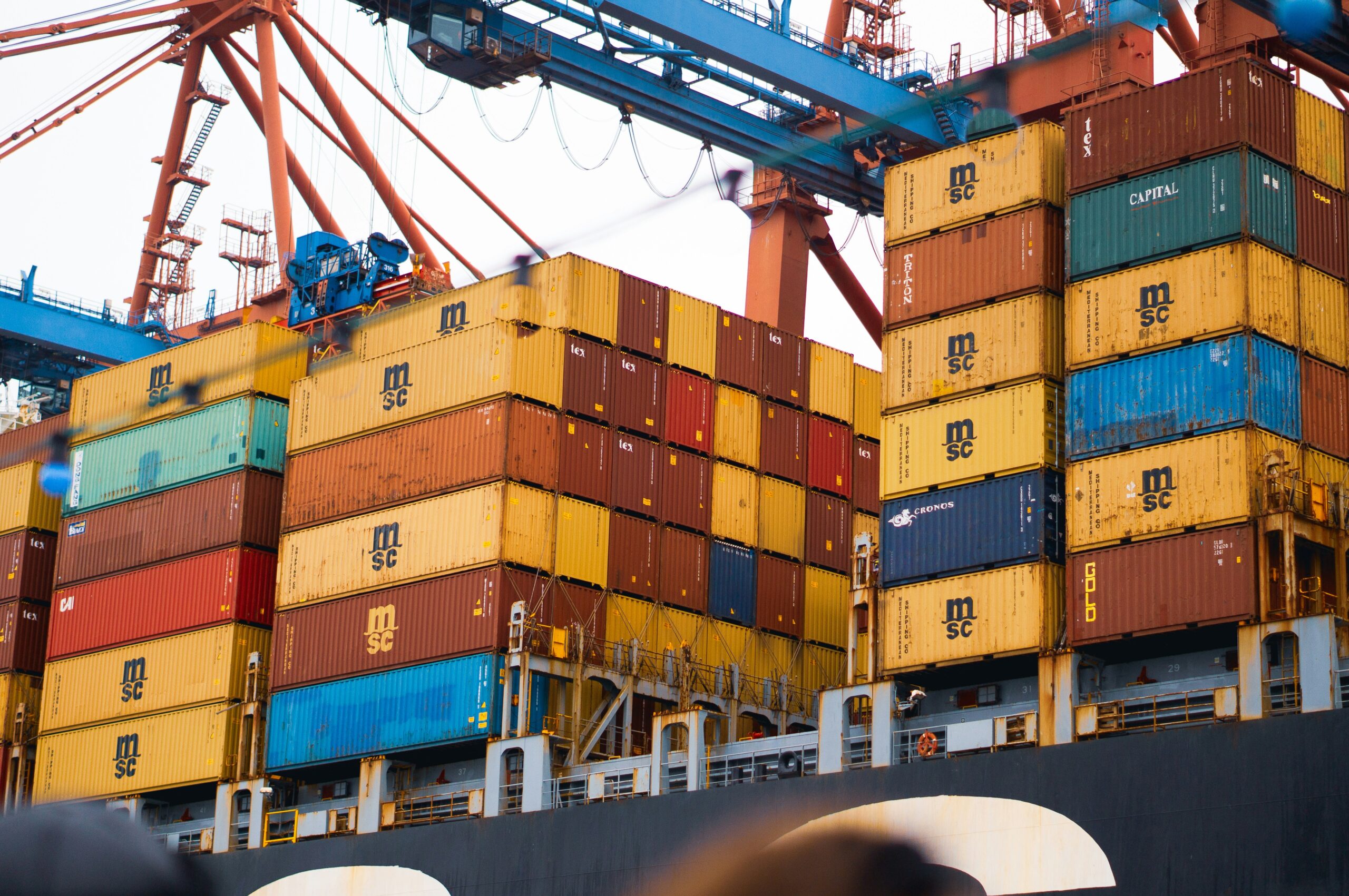
Rum, nickel, tobacco goods (especially cigars), and raw sugar are Cuba’s main exports. Over time, the nation has established a biotechnology industry that is well-known across the world, exporting pharmaceuticals and vaccines. Another important export is medical services, which include physicians and other healthcare workers. Cuba also exports agricultural goods like coffee and citrus fruits. These exports demonstrate how the nation’s economy depends on both established and developing businesses.
Registering in Cuba as an exporter
Since the government controls most economic activity, state-owned businesses are usually involved in exporting commodities from Cuba. Although they can’t export directly, private companies may collaborate with cooperatives or government organizations. The Ministry of Foreign Trade and Foreign Investment (MINCEX) must first grant exporters license. Companies may need to coordinate their operations with the export development policy of the Cuban government, which gives priority to certain markets and sectors.
Knowledge of export laws
Cuba has centralized and stringent export laws, and government agencies are in charge of all operations. The protection of cultural and natural heritage regulations must be followed by exporters since certain products, such as rare plants and animals or antiques, need specific permissions. Furthermore, prior to exporting, some products—like medical supplies—need to be certified and fulfill international standards. International embargoes or sanctions, especially those imposed by the United States, may limit the amount of goods that may be exported to certain nations.
The export documentation preparation process
In order to export products from Cuba, the right paperwork is essential. In addition to a packing list for customs inspection, exporters need a business invoice that includes the items’ description, quantity, and value. For commodities coming from countries with whom Cuba has favorable trade agreements, a Certificate of Origin, issued by the appropriate Cuban official, certifies the items’ provenance. Additional requirements for some products may include quality assurance records, export permits, and health or safety certificates. A Bill of Lading (B/L) or Airway Bill (AWB) are two examples of shipping papers that are also necessary.
Processes for clearing customs
General Customs of the Republic of Cuba is in charge of overseeing customs clearance in Cuba. Exporters are required to file a customs declaration, which includes comprehensive details on the products they are exporting. To make sure that Cuban laws and international trade norms are being followed, inspections may be carried out. The exporter’s compliance with all financial requirements, including export taxes and fees, is also confirmed throughout the customs procedure. Due to the system’s intricacy, many exporters seek assistance from state-approved customs brokers in order to effectively traverse the procedure.
Logistics and transportation
Cuba’s roads, ports, and airports provide transportation and logistical assistance for export efforts. The primary shipping center of the nation is the Port of Mariel, which is west of Havana and has state-of-the-art facilities that can handle containerized goods. Air freight is facilitated by José Martí International Airport in Havana, especially for expensive and urgent commodities like medications. The nation’s deteriorating infrastructure may provide logistical issues, yet overland transportation is employed to link manufacturing hubs to ports and airports. Assuring prompt and effective delivery requires cooperation with reputable logistics companies.
Taking advantage of trade agreements
Cuba has economic ties with several nations, especially those in Latin America and the Caribbean. Having a membership in the Bolivarian Alliance for the Peoples of Our America (ALBA) grants Cuba privileged trading conditions with its members. Additionally, the nation supports its exports via trading links with China, Russia, the European Union, and Canada. To optimize the advantages of these agreements, exporters need to be aware of their precise conditions, such as tariff reductions and rules of origin.
Identifying foreign purchasers
MINCEX, the Cuban Chamber of Commerce, organizes trade missions, fairs, and exhibits that allow exporters to meet buyers from across the world. Another way to find possible customers is to network with diplomatic missions and take advantage of Cuba’s alliances with foreign organizations. Cuban goods are being promoted to international markets via the use of online platforms, which are less established in Cuba owing to restricted internet access. Working with reputable distributors and merchants overseas is often the best strategy for classic products like rum and cigars.
Taking export risks under control
Exporting commodities from Cuba has special hazards, such as dealing with international sanctions, currency exchange issues, and geopolitical reasons. Because trade restrictions, especially those enforced by the United States, might impact dealings with third-party nations, exporters need to be updated about them. Financial risks are reduced with the use of insurance, particularly export credit insurance. In order to minimize possible problems, it is also crucial to establish explicit contracts with overseas customers that include payment conditions and dispute resolution procedures.
Sustainability and social obligation
In its economic operations, Cuba gives social responsibility and sustainability a lot of weight. The government encourages exporters to embrace techniques that support its commitment to ethical commerce and environmental conservation, particularly in industries like biotechnology and agriculture. Adherence to these principles may improve Cuban products’ standing internationally and lead to new markets, especially in North America and Europe.
You may also find these articles helpful
Foreign diplomatic relations of Cuba
Exporting goods from Russia – full guide