Puerto Rico, a U.S. territory with a strategic position in the Caribbean, serves as an important player in transnational trade. With its robust economy, strong connection to the U.S. market, and established shipping infrastructure, Puerto Rico offers vast chances for exporters. This guide outlines the essential course to export goods from Puerto Rico efficiently and fairly.
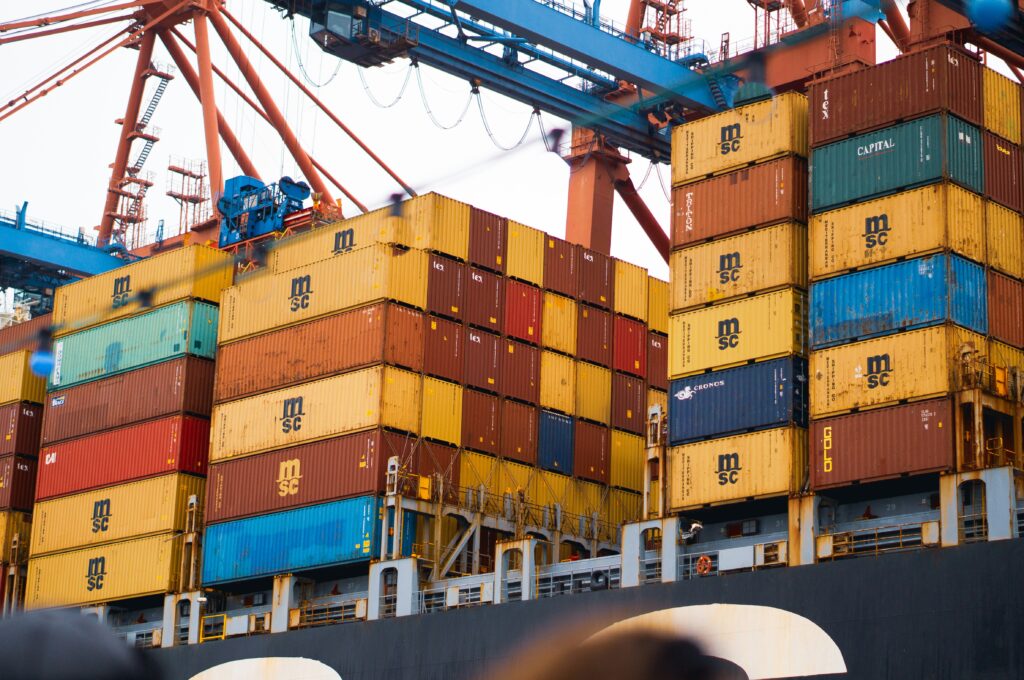
Understanding Puerto Rico’s export landscape
Puerto Rico has a different export economy, featuring industries like medicines, electronics, and agrarian products. The islet’s access to the U.S. landmass and global markets makes it a critical trading base. Businesses exporting from Puerto Rico can use its unique mix of resources, logistics, and profitable incentives.
Registering your business
To export goods, businesses must be appropriately registered. In Puerto Rico, this involves attaining a business license, registering with the Puerto Rico Department of State, and acquiring a Merchant Registration Certificate (Certificado de Registro de Comerciante) from the Treasury Department. For exporters dispatching to transnational markets, fresh civil and original permits may be needed.
Relating key export products
Puerto Rico is known for its high-value exports, particularly medicinals, medical devices, rum, and tropical fruits. To succeed, businesses should concentrate on products that align with their expertise and global market demand. Conducting market inquiry can help identify profitable export opportunities.
Navigating U.S. and international trade rules
Since Puerto Rico is a U.S. territory, its exports to the U.S. mainland are considered domestic shipments, demanding no customs duties. For transnational exports, nevertheless, businesses must comply with U.S. export laws and regulations, including carrying export control licenses for defined goods. Familiarity with transnational trade ethics, similar as INCOTERMS, is essential for smooth trades.
Preparing needed attestation
Accurate attestation is crucial to successful exporting. Exporters must deliver invoices, packing lists, and bills of lading. For transnational shipments, certifications of origin and export licenses may also be necessary. Staying organized and ensuring compliance with both U.S. and transnational demands helps delays.
Leveraging trade agreements
As part of the U.S., Puerto Rico benefits from multiple free trade agreements, including those with Canada, Mexico, and several countries in Central America and the Caribbean. These agreements reduce or exclude tariffs, making it easier to pierce transnational markets. Exporters should probe and use these agreements to gain a competitive advantage.
Employing Puerto Rico’s ports and logistics
Puerto Rico boasts ultramodern shipping and air freight infrastructure, with the Port of San Juan being a crucial center. Businesses exporting goods can choose from dependable shipping companies and freight forwarders to guarantee timely and cost-effective deliveries. Effective logistics planning is essential to maintain competitiveness in global demands.
Exploring incentives for exporters
The Puerto Rican government offers incentives to boost exports and attract investment. Programs like the Export Services Act (Act 20) give tax benefits to companies engaged in export services. Exporters can also pierce support from the Puerto Rico Industrial Development Company (PRIDCO) and trade organizations like the Puerto Rico Chamber of Commerce.
Understanding customs and duties
While exports to the U.S. mainland don’t bear customs authorization, transnational shipments must go through U.S. Customs and Border Protection (CBP). Exporters must classify their goods directly under the Harmonized System (HS) codes and pay any applicable duties. Working with customs brokers can simplify this process.
Promoting sustainability in export practices
Sustainability is a growing priority in global trade. Puerto Rican exporters can separate themselves by adopting eco-friendly practices, such as using renewable energy in production, minimizing packaging waste, and seeking certifications like Organic or Fair Trade. These practices appeal to environmentally conscious markets and can boost brand reputation.
Conclusion
Exporting goods from Puerto Rico offers businesses a gateway to economic markets in the U.S. and beyond. By understanding the islet’s trade framework, clinging to U.S. and transnational regulations, and using logistical advantages, exporters can build successful operations. With the right products, partnerships, and planning, Puerto Rico’s exporters are well-placed to thrive in competitive global commerce.
You may also find these articles helpful
Foreign diplomatic relations of Puerto Rico
Exporting goods from Singapore – full guide
Exporting goods from South Korea – full guide