Moldova, a tiny but well-positioned nation in Eastern Europe, must negotiate a challenging diplomatic environment. It strikes a compromise between regional security concerns, aspirations for European integration, and historical links with Russia. Strategic diplomacy, political alliances, and economic cooperation are all carefully balanced in its foreign policy. The main international ties and Moldova’s changing position on the world stage are examined in this article.
Relations with the European Union
Moldova views the EU as a vital ally for both political stability and economic expansion. With the help of trade agreements and financial assistance, it has worked towards deeper integration since signing the EU Association Agreement in 2014. Although joining the EU is still a long-term objective, Moldova is still working to bring its government, economy, and legal system into compliance with European norms.
Relations with Romania
Romania and Moldova have close linguistic, cultural, and historical relations. Romania, which offers financial assistance and infrastructural projects, is Moldova’s most ardent supporter of EU membership. Because many Moldovans are dual nationals, the two nations have closer personal and professional ties. Romania assists Moldova in lowering its reliance on Russian gas and enhancing energy security as part of their partnership.
Relations with Russia
Because of political and economic pressures, Moldova and Russia have a complicated and sometimes tense relationship. Although it has utilized gas exports as a political instrument, Russia is nevertheless a significant energy provider. Diplomatic relations are further complicated by the ongoing conflict in Transnistria, where Russian forces are stationed. Moldova and Moscow still have diplomatic and commercial ties, although tensions have grown as a result of Moldova’s move towards European integration.
Relations with Ukraine
Strong bilateral connections exist between Ukraine and Moldova, which both worry about Russian influence and regional security. Moldova has backed Ukrainian refugees and sided with Western sanctions against Moscow since Russia invaded Ukraine in 2022. The two nations are collaborating to improve energy independence and border security. Moldova collaborates on political and economic changes in line with Ukraine’s European goals.
Relations with the United States
The United States is in favor of European integration, democratic reforms, and Moldovan sovereignty. The goals of U.S. aid are to fight corruption, enhance security, and boost Moldova’s economy. The United States assists Moldova in modernizing its defenses and achieving energy independence. Additionally, Washington supports Moldova’s civil society growth and media independence, making sure it is immune to outside influences and misinformation efforts.
Relations with NATO
As a neutral state, Moldova collaborates with NATO on security-related projects but does not apply for membership. It takes part in NATO’s Partnership for Peace initiative, which improves military readiness and crisis management skills. Despite Moldova’s apparent neutrality, rising security concerns have prompted further defense cooperation with Western allies, especially in border and cyber defense.
Relations with Turkey
Turkey and Moldova continue to have close cultural and economic relations. Turkey has increased commercial and economic ties by investing in Moldova’s building and infrastructure industries. Turkish cultural and educational endeavors help the Turkic-speaking people in the autonomous territory of Gagauzia. Moldova carefully balances its foreign policy to prevent geopolitical tensions in the area, even if it appreciates its ties with Turkey.
Relations with China
Through trade and investment, especially in the fields of technology and infrastructure, China has expanded its footprint in Moldova. Moldova takes part in China’s Belt and Road Initiative to raise money for energy and transport projects. Moldova is aligning its larger foreign policy with European and Western objectives, but it is also wary of becoming overly dependent on China, even as economic cooperation grows.
Relations with the United Nations
Moldova actively works to advance equitable growth, human rights, and peace with the UN and other international organizations. It supports international efforts to fight climate change and aids UN peacekeeping deployments. To ensure economic stability and modernization initiatives, Moldova also works with international financial organizations such as the IMF and World Bank, enhancing its diplomatic standing internationally.
Economic diplomacy
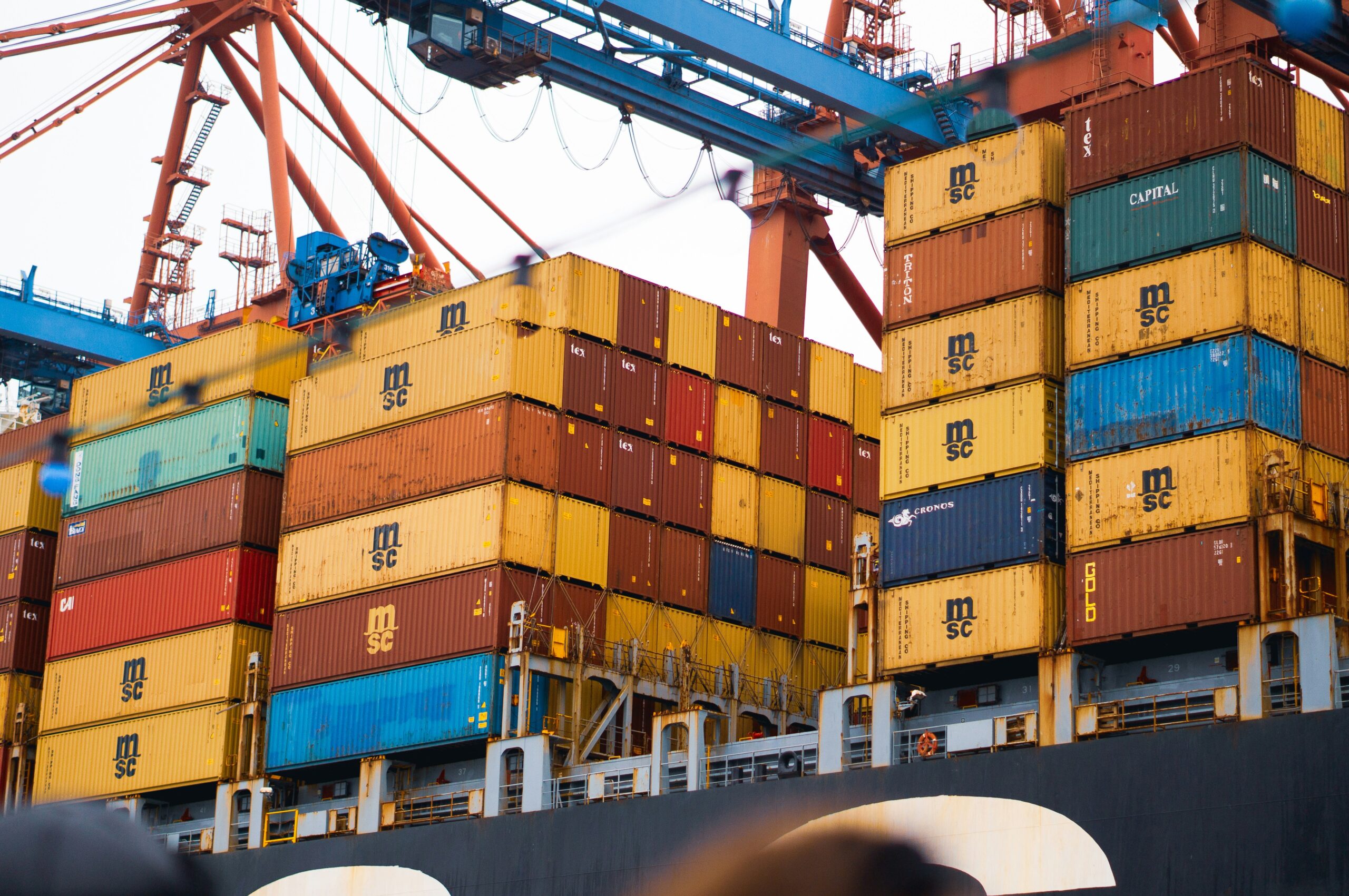
Moldova’s foreign policy prioritizes economic diplomacy and looks for a variety of trade alliances. Moldova’s biggest economic partner is the EU, although it also sells industrial and agricultural goods to China, Russia, and Turkey. To achieve economic development and more financial independence from outside pressures, the nation is attempting to open up new markets, draw in international investment, and advance its energy industry.
Ending note
Moldova’s continuous conflict between its past affiliations and its aspirations for the future is reflected in its international diplomatic relations. This article describes how Moldova fortifies European integration, cultivates strategic alliances for security and economic expansion, and carefully balances its relations with Russia. The nation’s diplomacy is still centered on stability, advancement, and establishing a solid reputation in the international community despite the current geopolitical problems it faces.
You may also find these articles helpful
Foreign diplomatic relations of Saba
Foreign diplomatic relations of Puerto Rico