The Caribbean island of Saba, the Netherlands’ smallest special municipality, is renowned for its abundant natural beauty and welcoming populace. Even if its economy is small, Saba has special chances to export items. If you’re a company owner or entrepreneur hoping to reach a wider audience, this article will provide you with all the knowledge you need to export products from Saba effectively.
Understanding Saba’s export potential
The main drivers of Saba’s modest economy are handicrafts, tourism, and small-scale farming and fishing. The following are some of the primary products that Saba may export:
- Handmade crafts
Items like jewelry, art, and souvenirs made by local artisans.
- Agricultural products
Specialty fruits, vegetables, and herbs grown organically on the island.
- Seafood
Fresh fish and seafood caught in the island’s pristine waters.
- Saba Lace
A traditional handmade lace craft with historical significance.
The opportunity to promote Saba’s culture and high-quality products globally while bolstering the local economy is provided by exporting these commodities.
Regulations for exporting from Saba
In addition to some local rules, Saba complies with EU trade restrictions as a Dutch municipality. To guarantee seamless commerce, exporters must abide by these regulations. Important points consist of:
- Export permits
You could need permission to export, depending on the goods. For instance, additional paperwork is frequently required for food goods and objects connected to animals.
- Sanitary and phytosanitary standards
Exports of seafood and agriculture must adhere to safety and health regulations. Inspections before shipment can be necessary.
- Restricted items
Make sure your products aren’t listed as restricted or forbidden for export. There may be limitations on things like cultural artifacts or endangered species.
For the most recent regulatory information, contact Dutch Customs and the Saba government.
Registering your business
Formally establishing your company is the first step if you aren’t already a registered exporter. This procedure on Saba includes:
- Registering with business center
This ensures your business is legally recognized and eligible for trade activities.
- Tax registration
Obtain a tax identification number and ensure compliance with Dutch tax laws.
- Banking requirements
Open a business bank account to handle international transactions.
These steps provide a legal foundation for your exporting activities.
Preparing your goods for export
To guarantee that your products satisfy the requirements of global markets, proper planning is crucial. To begin, follow these steps:
- Packaging
Use durable, secure, and eco-friendly packaging to protect goods during transit. Include appropriate labels and barcodes.
- Quality control
Maintain high-quality standards to compete in global markets. Conduct inspections before shipping.
- Documentation
Prepare essential paperwork such as invoices, packing lists, certificates of origin, and export permits.
Making the effort to prepare reduces risks and guarantees that your items arrive at their destination in top shape.
Selecting a shipping method
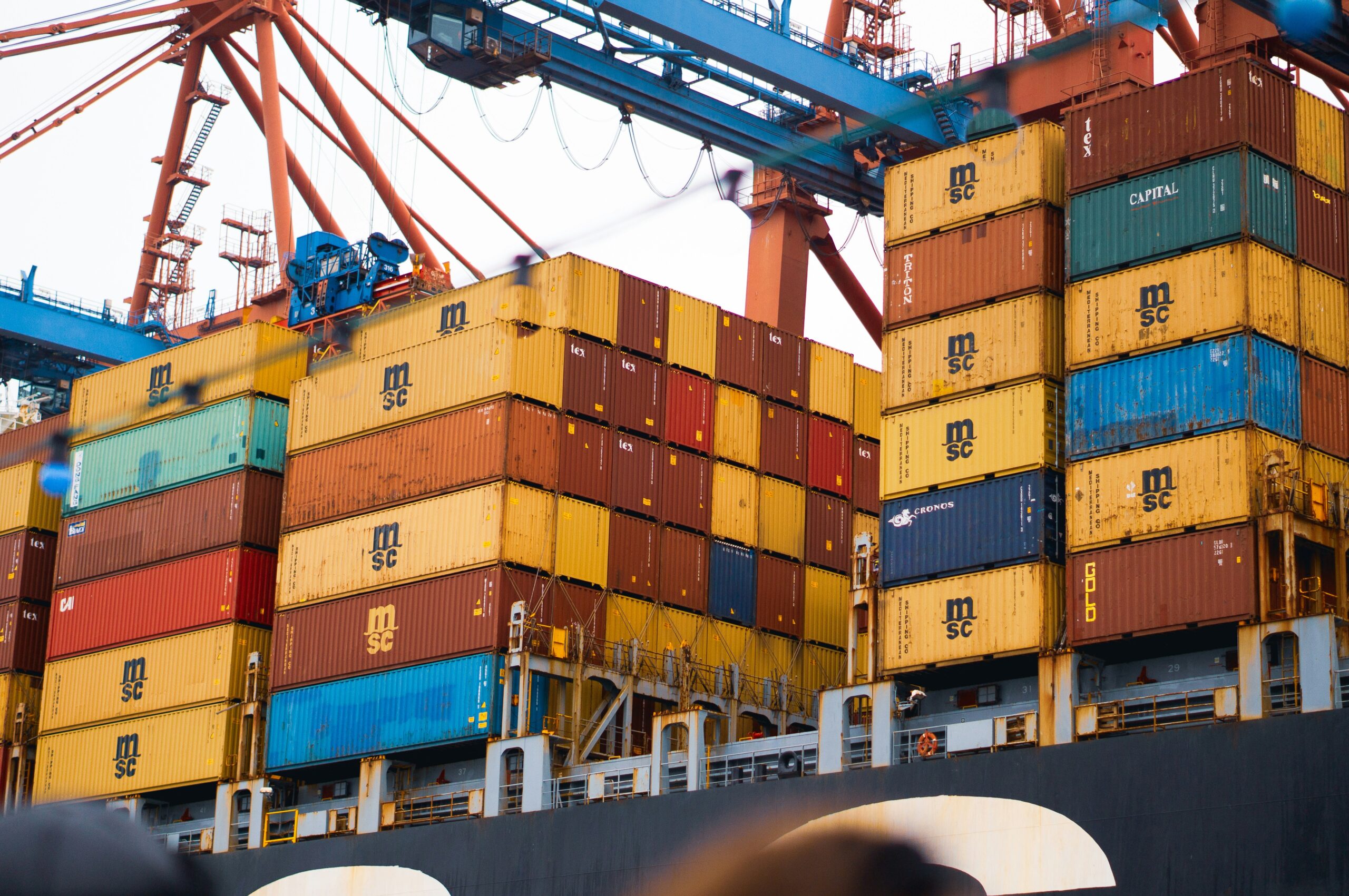
Shipping possibilities are fairly restricted due to Saba’s tiny size and remote location. Nonetheless, the island has excellent air and marine connections to nearby nations and areas.
- Air freight
Ideal for small, high-value, or time-sensitive goods. The Juancho E. Yrausquin Airport handles small cargo shipments.
- Sea freight
Ideal for bigger shipments or bulk commodities. Ports like St. Maarten, which act as transshipment hubs for foreign destinations, are used to convey goods.
- Courier services
Companies like DHL and FedEx offer reliable express shipping for smaller packages.
Choose a shipping method based on your product type, destination, and budget.
Calculating costs
To establish pricing and profitability, several expenses associated with exporting products must be taken into consideration. These consist of:
- Shipping costs
Charges for air or sea freight, packaging, and insurance.
- Customs fees
Duties, taxes, and tariffs in the destination country.
- Storage and handling
Fees for warehousing and loading/unloading at ports or airports.
- Marketing expenses
Costs for promoting your goods in international markets.
To sustain profitability while setting competitive prices, carefully consider these costs.
Understanding customs and tariffs
Saba exporters are required to abide by EU and Dutch customs laws. Although the island benefits from some commercial advantages of being a member of the EU, it’s important to:
- Classify goods properly
Use the Harmonized System (HS) code to identify your products.
- Check tarrif rates
Determine the applicable duties and taxes in the destination country.
- Prepare documentation
Provide accurate customs declarations and supporting documents.
Seek assistance from a customs broker or freight forwarder if needed.
Seeking assistance and support
Exporting can be complex, but there are resources to help:
- Saba government
Offers guidance on regulations and permits.
- Chambers of commerce
Provides networking opportunities and market insights.
- Export agencies
Organizations like the Caribbean Export Development Agency offer training and financial support for exporters.
Take advantage of these resources to streamline your export journey.
Conclusion
Exporting items from Saba is a lucrative way to promote the local economy and introduce the world to the island’s distinctive products. You may overcome the difficulties of exporting from a tiny island by being aware of the rules, meticulously preparing your goods, and using smart marketing. Your company may prosper in global marketplaces while exhibiting the allure and caliber of Saba’s products with dedication and preparation.
You may also find these articles helpful
Foreign diplomatic relations of Saba
Exporting goods from Singapore – full guide
Exporting goods from South Korea – full guide