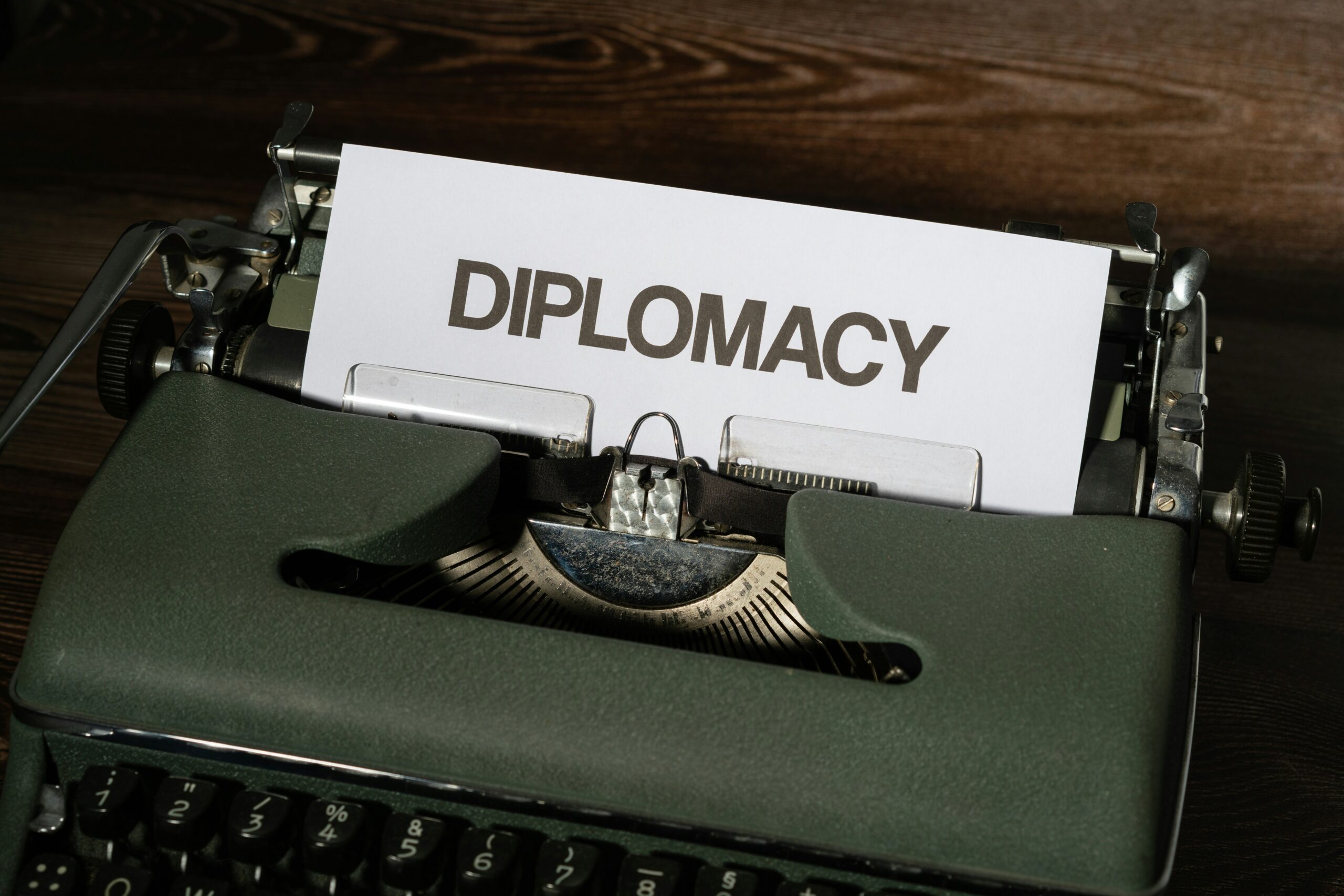
Belgium supports multilateralism and highlights diplomacy as a means of promoting peace, security, and international cooperation as a founding member of the European Union and NATO. Brussels is the EU’s political headquarters and a vital center for international organizations because of its open borders. The nation’s diplomatic ties abroad are covered in this article.
Belgium’s role in the European Union
Europe’s political and economic destiny is greatly influenced by Belgium’s diplomatic efforts inside the European Union (EU), of which it is a proud founding member. For a long time, Belgium’s foreign policy has supported the EU’s objectives of collective security, peacekeeping, and economic integration. Belgium takes advantage of its position to advance stability, unity, and sustainability throughout Europe by promoting a common market and more inclusive social policies. Belgium’s special diplomatic role in determining the future of Europe is highlighted by Brussels, the center of EU governance.
A bridge between Europe and the world
Belgium’s commitment to overcoming political and cultural barriers is a defining characteristic of its foreign policy. From its strong commercial links with the United States and Asia to its colonial ties in Africa, the country cultivates contacts with a diverse spectrum of nations. Belgium is ideally situated to serve as a bridge between various areas, and its diplomats are adept at fostering connections that encourage communication. Belgium sees itself as a driving force behind international cooperation and intercultural understanding, whether it is by holding peace negotiations, promoting trade agreements, or leading development projects.
Belgium’s commitment to humanitarian diplomacy
Belgium’s dedication to humanitarian issues is a fundamental aspect of its overseas diplomatic relations. Belgium frequently finds itself at the forefront of worldwide advocacy for disadvantaged groups because of its strong support for democracy, human rights, and peace. Belgium’s diplomatic endeavors are motivated by a sincere desire to make a difference, whether it is via aiding conflict areas or participating in projects that uphold the rule of law. Its principles are represented on the international scene thanks to its active engagement in the UN and other international humanitarian organizations.
Belgium and the United Nations: Championing global cooperation
Belgium’s steadfast dedication to multilateralism and international cooperation serves as the foundation for its foreign policy at the UN. Belgium, which has long supported UN peacekeeping efforts, highlights the value of teamwork in tackling global issues including health crises, conflict resolution, and climate change. Its diplomatic strategy looks for areas of agreement on challenging topics and consistently promotes solutions that uphold human rights and promote peace. Belgium’s steadfast support of the UN demonstrates its faith in the ability of communication and diplomacy to settle disputes.
Belgium’s trade and economic diplomacy
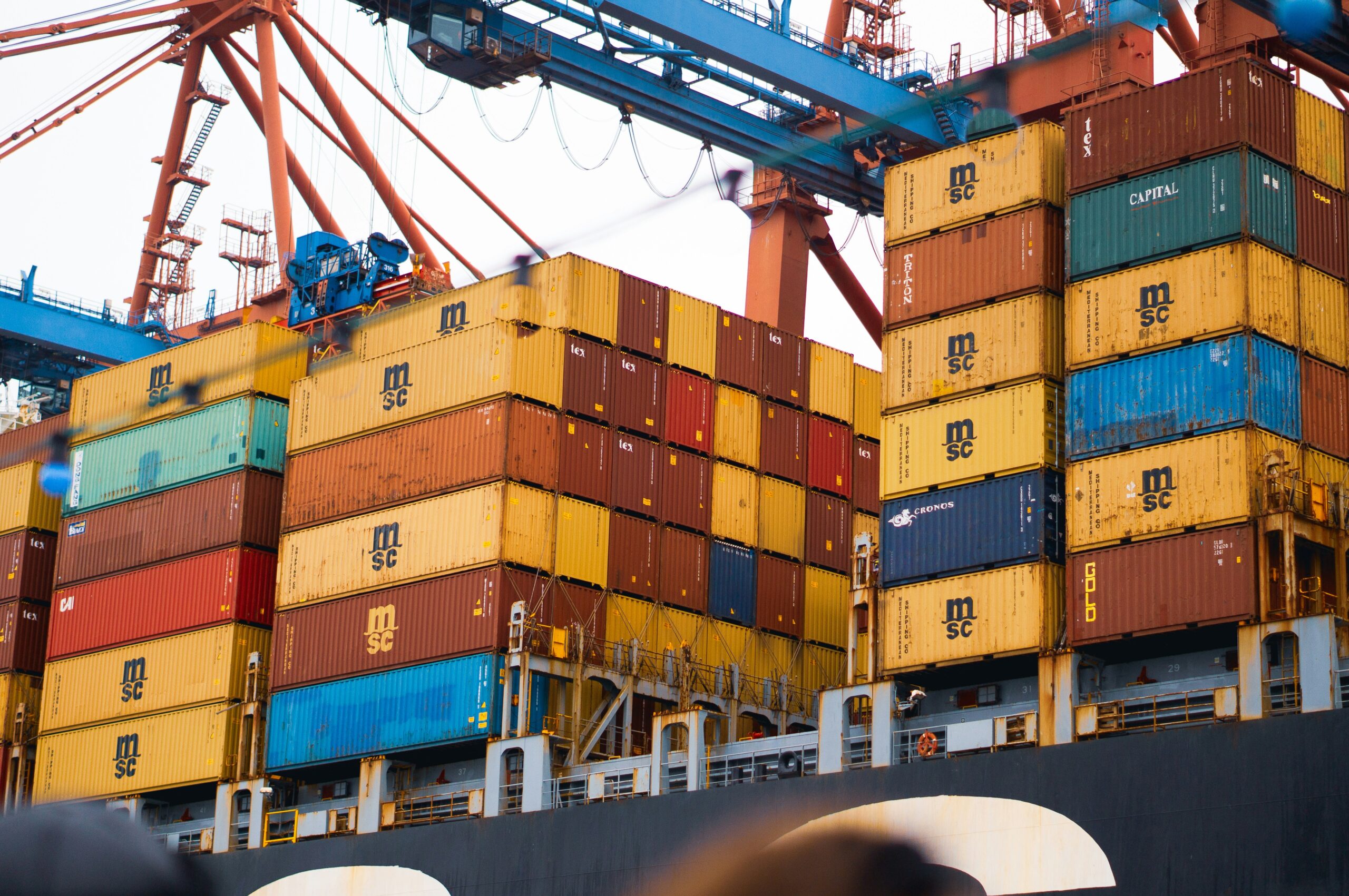
Belgium’s diplomatic endeavors are a reflection of its heavily integrated economy. Securing free markets, luring foreign investment, and advancing Belgian companies overseas are top priorities for Belgium’s foreign policy as a major participant in global commerce. Belgium creates alliances through its trade missions that promote economic growth and innovation, especially in fields like manufacturing, technology, and green energy. Mutual economic gain is frequently the foundation of diplomatic relations with nations worldwide, and Belgium uses its position, infrastructure, and knowledge economy to create enduring business partnerships.
Belgium’s African connections: Historical ties, modern partnerships
Belgium’s diplomatic relations with Africa have been influenced by its historical links, especially its colonial past in Congo. Belgium has made an effort throughout the years to reinterpret these connections as constructive, win-win alliances founded on commercial, educational, and development collaboration. Belgium is now a supporter of African development, emphasizing human rights, sustainable development, and conflict resolution. Belgium aims to create a future where colonial dynamics transform into a cooperative and respectful relationship by interacting with African countries through commerce, assistance, and cultural interaction.
Conclusion: Belgium’s diplomatic future in a changing world
As the globe grows more linked and complicated, Belgium’s diplomatic ties continue to change. Belgium’s central European location and strong dedication to human rights, multilateralism, and economic growth guarantee its continued prominence as a major diplomatic force on the international scene. Belgium’s foreign policy will surely concentrate on collaboration, innovation, and peacebuilding as global issues like migration, climate change, and geopolitical conflicts increase. Belgium will continue to play a vital role in creating a more connected and peaceful world by upholding its diplomatic ideals.
You may also find these articles helpful
Foreign diplomatic relations of Saba
Foreign diplomatic relations of Puerto Rico