Known for its beautiful beaches and banking services, the British Virgin Islands (BVI) are now becoming a major export destination. Despite their tiny size, the islands have a thriving economy that is supported by a range of locally produced items, offshore banking, and tourism. If you know what to do, exporting products from BVI might be a lucrative venture. Everything you need to know about exporting products from BVI will be explained in plain English in this tutorial.
Researching export regulations
It is necessary to comprehend and abide by all restrictions while exporting products from the British Virgin Islands. To guarantee quality and adherence to global standards, the authorities have put regulations in place. Key steps to follow are:
- Obtain an export permit
Certain goods, such as seafood or agricultural products, require a permit from the Ministry of Natural Resources or other relevant agencies.
- Understand restricted goods
Some items may be restricted or require special permission for export.
- Follow health and safety standards
Food and agricultural goods need to meet specific health and safety standards to be accepted in international markets.
Visit the BVI Trade Commission’s website or contact local authorities for detailed guidance on export regulations.
Choosing the right shipping method
Selecting the appropriate technique is crucial when exporting products from the BVI because it entails transportation across large distances. Road Town (Tortola) and St. Thomas Bay (Virgin Gorda) are the two main ports in the British Virgin Islands. Shipping options include:
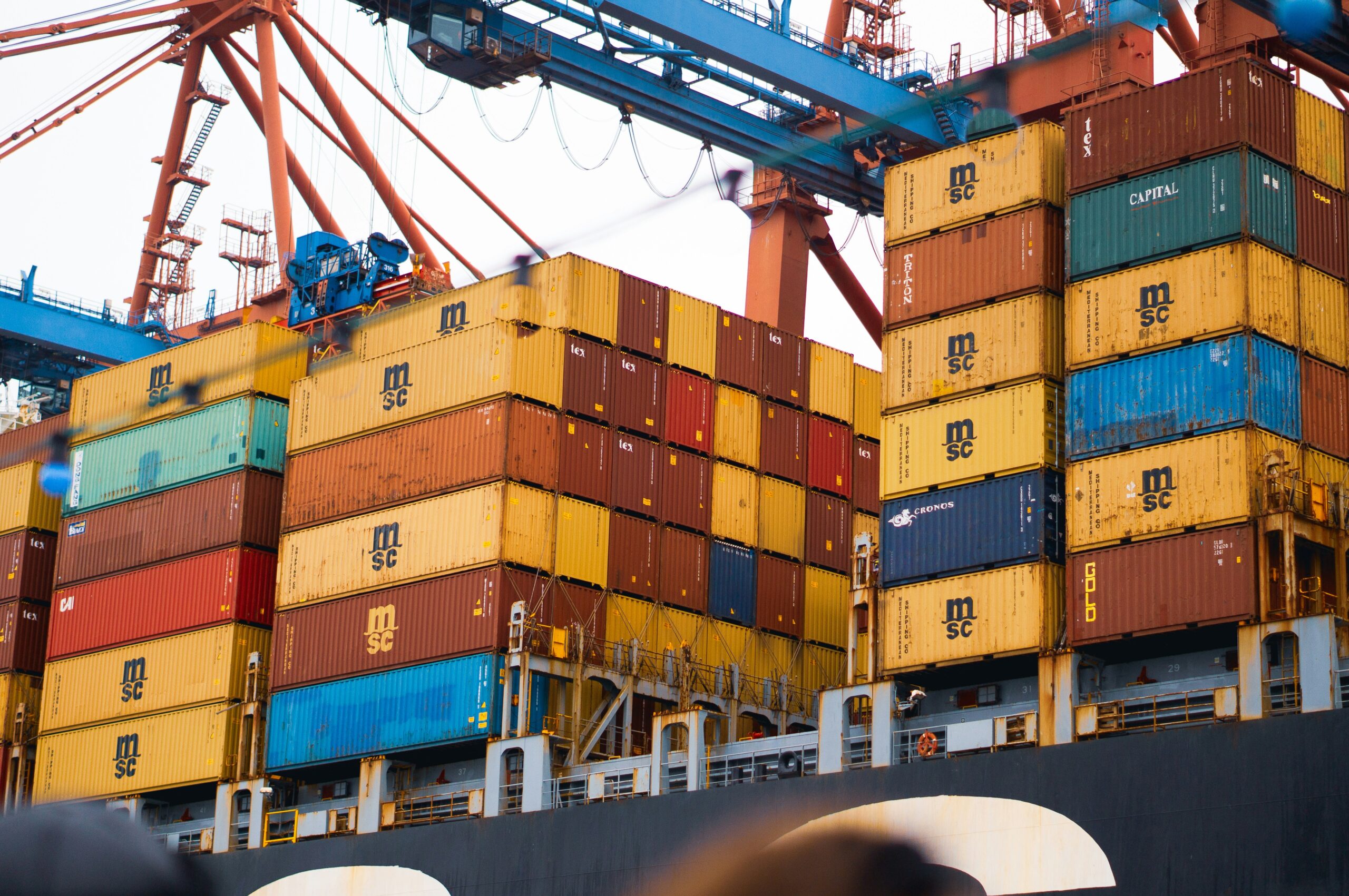
- Sea freight
Ideal for large or bulky goods. Containers can be shipped to the U.S., Europe, or other Caribbean islands.
• Air freight
Faster but more expensive, suitable for smaller shipments like perishable seafood or high-value crafts.
- Courier services
Some courier companies offer international shipping for small parcels, which can be convenient for exporting handmade goods.
Work with a reputable freight forwarder or logistics company to help coordinate shipping.
Understanding taxes and tariffs
Exporting involves costs, including taxes and tariffs, depending on the destination country. Key considerations include:
- BVI itself does not impose export taxes.
- The importing country may charge tariffs or customs duties.
- Some countries have trade agreements that lower tariffs.
Keep track of these costs when pricing your products for export.
Marketing and selling your products
You need customers for your products if you want to export successfully. Building a solid clientele might be facilitated by marketing your goods abroad. Tips for effective marketing include:
- Leverage online platforms
Websites like Etsy or Amazon Handmade are great for selling crafts or artisan goods.
- Build relationships
Network with buyers, distributors, or importers in your target markets.
- Promote your Caribbean roots
Highlight the unique origin of your products, as many customers value authenticity and exotic appeal.
Attend trade fairs or international expos to showcase your goods and connect with potential buyers.
Complying with import requirements in target markets
To prevent delays or fines, it is essential to adhere to the import regulations set forth by each nation. Important actions consist of:
- Research the destination country’s standards for your product.
- Ensuring your goods meet any labeling, packaging, or quality requirements.
- Working with customs brokers to handle paperwork and navigate import processes.
For example, exporting food to the U.S. may require FDA approval, while shipping to the EU may involve specific safety certifications.
Exploring financial support for exporters
Small businesses in BVI can benefit from financial assistance to grow their export operations. Options include:
- Government grants
Check with the BVI Trade Commission for programs that support local exporters.
- Loans
Some local banks may offer business loans tailored for exporting ventures.
- Export insurance
Protect your business from losses due to non-payment or damaged goods by securing export insurance.
Overcoming common challenges
High transportation costs, a small manufacturing capacity, and regulatory barriers are some of the difficulties associated with exporting from the British Virgin Islands, although they may be overcome with careful preparation. Work closely with shipping firms to negotiate affordable rates to address shipping expenses. Prioritise producing high-quality goods to stand out in the market if output is constrained.
Delays or fines can also be avoided by keeping up with international trade laws and making sure that compliance is maintained. These difficulties may be transformed into chances for development with careful planning.
You may also find these articles helpful
Foreign diplomatic relations of the British Virgin Islands
Exporting goods from Qatar – full guide
Exporting goods from Russia – full guide