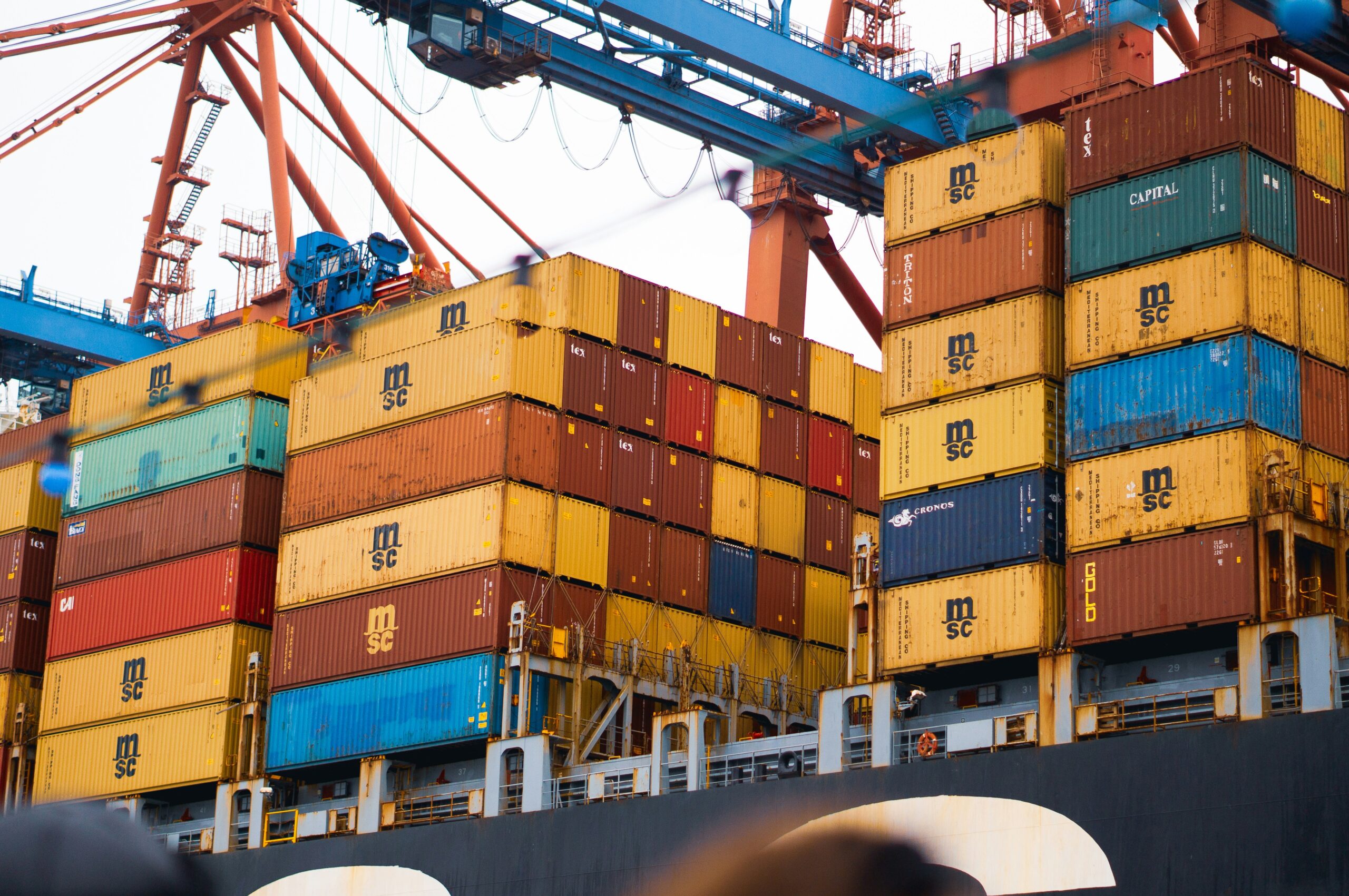
The Dominican Republic’s economic structure relies more on the production of primary products for export earnings purposes, focusing on agriculture and industry. In addition to these agricultural items, the most notable being coffee and cigars, other products include electronics, jewelry and wearable art, clothing and fabrics, and medical technology. The country is also witnessing the growth of new industries that are consistent with the current worldwide trends of responsible consumption such as exports of ecological and organic products.
Application as an exporter
To be able to export products, companies in the Dominican Republic must first register in the National Taxpayer Registry (RNC). The MICM is the agency that issues the necessary exportation permits required by the Customs Directorate, in which the Dirección General de Aduanas (DGA) is a part of. Medical devices or agricultural products, for example, may need specialized permits or certificates.
Knowledge of export laws
For exports, the Dominican Republic complies with both national and international regulations. Health and safety certificates are necessary for goods like food, drinks, and medications, while phytosanitary requirements are necessary for agricultural products. Certifications for goods that satisfy export regulations are given by the Ministry of Agriculture. In particular, for products made from natural resources, exporters are required to adhere to environmental regulations.
Documentation for exports
The foundation of the export procedure is appropriate paperwork. A commercial invoice outlining the commodities’ value, quantity, and description must be prepared by exporters. For marine shipments, a Bill of Lading or Airway Bill is necessary, along with a packing list and Certificate of Origin. Agricultural products and food items often need phytosanitary or health certifications. Trade agreements with partner nations and the Customs Directorate may additionally specify the need for further documents.
Processes for clearing customs
The clearance procedure is managed by the Customs Directorate of the Dominican Republic and entails export declarations and accompanying documentation being submitted via the Ventanilla Única de Comercio Exterior (VUCE). This is the nation’s single-window trading platform. Exporters can make declarations, monitor shipments, and effectively handle problems thanks to this computerized technology, which streamlines export processes. Before being approved for export, goods are examined to confirm that they meet all applicable rules.
Transportation and logistics
Export activities in the Dominican Republic are further enhanced due to a well-structured logistical framework. One of the major sea ports is the Port of Haina while Port of Caucedo connects the exporters to the global shipping lines. Air freight is especially important for high-value or perishable cargo and is addressed by Punta Cana International Airport and Las Américas International Airport. Exporters and freight forwarders should coordinate so as to minimize costs, ensure deliveries make them on time and also to make the shipping routes efficient.
Realizing the benefits offered by trade agreements
There are several trade agreements that have provisions that enhance the global competitiveness of the Dominican Republic and are beneficial. For instance, the Central America Free Trade Agreement (CAFTA-DR) with respect to the Dominican Republic opens the U.S. market for certain imports. Whereas the Economic Partnership Agreement (EPA) with EU countries reduces the export duties around the region. Exporters seeking to enjoy the benefits of trade should ensure that their products meet the regulations of the country and the necessary documentation is provided feedback.
Getting into global markets
By taking part in trade shows, corporate networking events, and government-sponsored trade missions, exporters may broaden their market reach. Businesses may benefit from market research, training, and networking opportunities offered by the Dominican Export and Investment Center (CEI-RD). E-commerce networks and online platforms also provide exporters the opportunity to display their goods to customers throughout the world.
Sustainable export practices
The Dominican Republic’s sustainable commerce initiatives are becoming more and more well-known. Global demand is increasing for organic items including bananas, chocolate, and coffee. Obtaining certifications such as Rainforest Alliance, USDA Organic, or Fair Trade is recommended for exporters in order to access premium markets. Bringing attention to sustainable manufacturing and packaging methods may increase a brand’s attractiveness to eco-aware customers.
Taking export risks under control
Challenges for exporters include market volatility, regulatory problems, and payment delays. A detailed contract with purchasers that outlines payment terms and dispute resolution procedures, as well as export credit insurance, are essential for mitigating these risks. Market diversification and market intelligence investments may lessen reliance on a particular area and increase resilience to downturns in the economy.
Assistance from the government
With programs and organizations like CEI-RD and MICM, the Dominican Republic’s government actively promotes export expansion. These groups provide companies looking to penetrate international markets cash incentives, training courses, and other resources. Additionally, exporters might benefit from export finance alternatives and tax breaks provided by the nation’s economic policies.
You may also find these articles helpful
Trade agreements in the Dominican Republic
Foreign diplomatic relations of the Dominican Republic
Exporting goods from Qatar – full guide