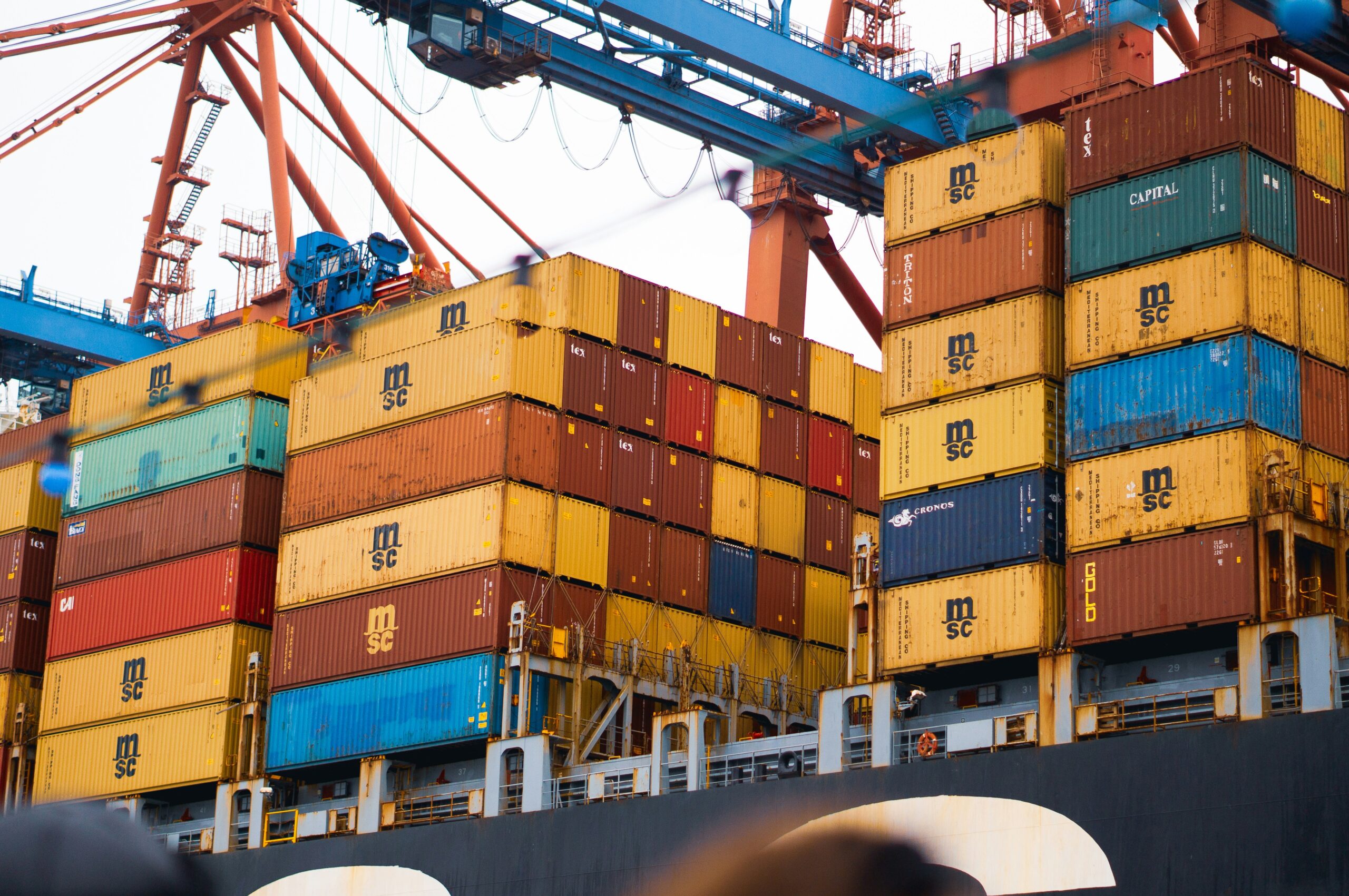
In the international export market, Haiti, a Caribbean country renowned for its tenacity and rich culture, has enormous potential. The nation’s distinctive goods, which include artisanal crafts and agricultural products, have established markets abroad. Knowing the procedures, rules, and possibilities involved may make exporting from Haiti a profitable endeavor. This guide offers a thorough rundown to assist you in exporting Haitian goods.
Legal requirements and regulations
Businesses must abide by both domestic and transnational trade regulations while exporting from Haiti. Registering your company with Haiti’s Ministry of Industries and Commerce is the first step in the process. To sell goods abroad, you’ll also require an export license. Regulations about particular product categories must also be followed. To guarantee that they satisfy health and safety regulations in target markets, agrarian goods, for example, constantly need to be certified.
Through the Caribbean Basin Initiative( CBI) and CARICOM countries, Haiti has trade agreements with nations similar to the United States. For good items, these agreements can lower taxes and streamline the export procedure, providing Haitian exporters with a competitive advantage.
Logistics and shipping options
To guarantee on-time delivery, shipping products from Haiti requires considerable planning. The most well-known seaports in the nation are Port-au-Prince and Cap-Haïtien. Another practical choice for high-value, smaller commodities is air freight, which is handled at Toussaint Louverture International Airport.
The type of products you are transporting will determine which delivery option is best for you. To maintain their quality, artisanal goods could be more suited for air freight, although bulk commodities like coffee and cocoa are usually shipped by sea. For logistics to run well, it is essential to collaborate with reputable goods forwarders and comprehend the customs clearance processes in Haiti and the destination nation.
Packaging and labeling requirements
For exporting to be successful, proper labeling and packaging are essential. Products need to be wrapped to endure the harsh circumstances of overseas shipment without sacrificing quality. Agricultural exports like coffee or mangoes require the use of long-lasting, moisture-resistant materials. It is important to wrap artisanal items tightly to guard against damage while in transport.
The product name, weight, provenance, and any required certificates must all be listed on labels that adhere to international standards. Food goods may need to provide nutritional data and expiration dates. Accurate and transparent labeling not only guarantees adherence but also fosters consumer trust.
Building international market connections
The secret to long-term export success is building trusting connections with foreign buyers. To promote your goods and make connections with possible customers, go to trade shows, exhibits, and networking gatherings. You may also access a worldwide audience using digital sites like Etsy and Alibaba, particularly for handcrafted items.
Working along with organizations that promote exports, like Haiti’s Centre de Facilitation des Investissements (CFI), may provide you access to important resources and market intelligence. These organizations frequently help exporters navigate difficult trade dynamics, find prospective markets, and comprehend consumer preferences.
Financing your export business
Getting funding is an important aspect of exporting. Local and foreign financial organizations may offer export guarantees, subsidies, and loans to Haitian exporters. To lower the risks involved in international commerce, organizations such as the Inter-American Development Bank (IDB) and the Export-Import Bank of the United States (EXIM) provide financing and insurance options.
Effective cash flow management also requires negotiating payment conditions with purchasers. Advance payments and letters of credit are two options that can guarantee seamless transactions and offer financial protection.
Overcoming challenges
There are particular difficulties in exporting from Haiti, such as poor infrastructure, unstable political conditions, and natural disasters. Strategic planning, however, can help to lessen these challenges. It makes sense to spend money on risk management techniques, including getting insurance for cargo while it’s being transported. Using government incentives and working with knowledgeable local partners can also help you overcome obstacles.
For those prepared to put in the time and money, Haiti’s expanding export industry has fantastic prospects. Exporting commodities from Haiti may be a lucrative and significant method to help the nation’s economic development if done correctly. Haiti’s rich culture and resources might be your key to success in international markets, whether you’re delivering handcrafted art or gourmet coffee.
You may also find these articles helpful
Foreign diplomatic relations of Haiti
Exporting goods from Singapore – full guide