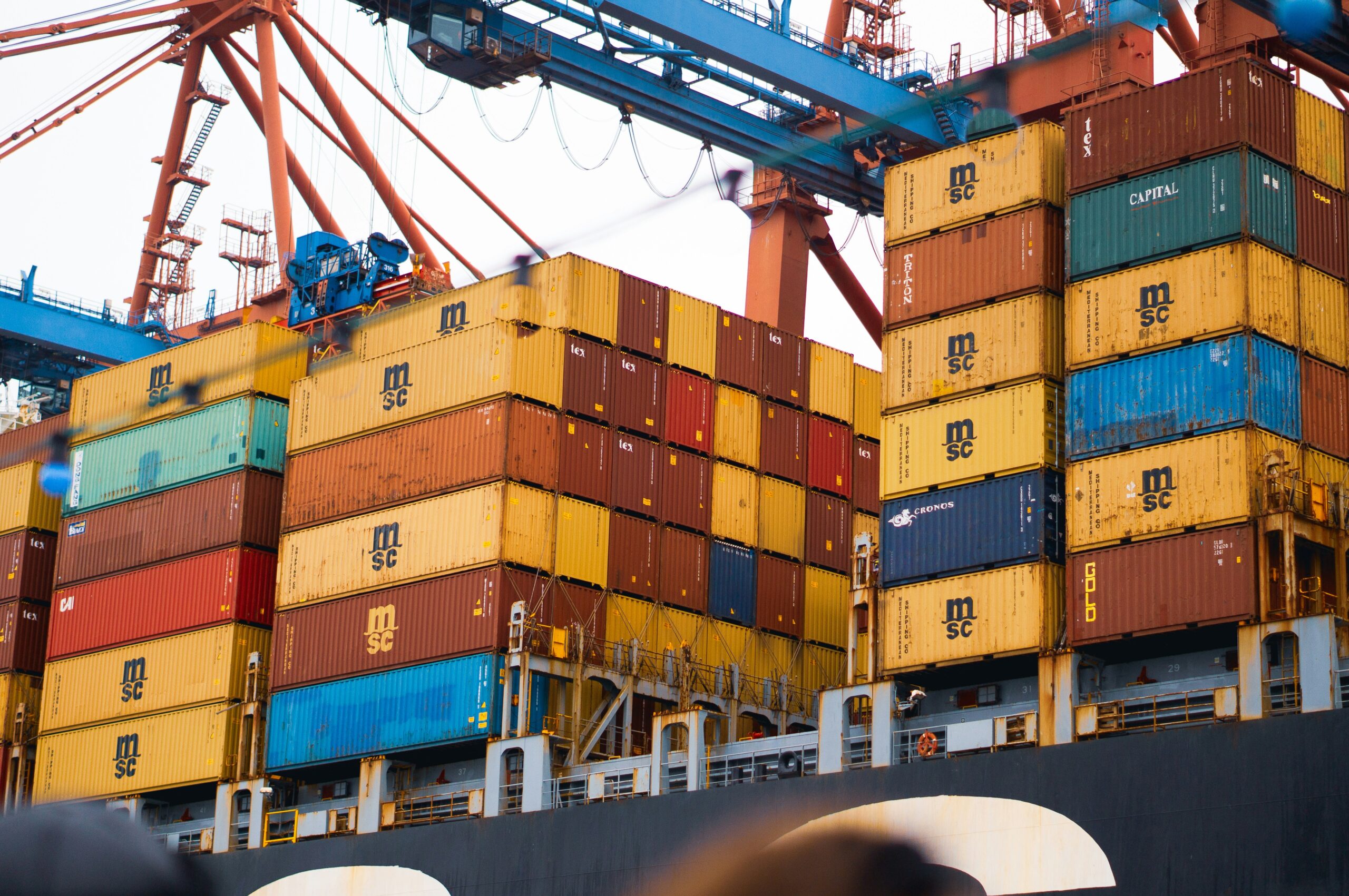
A major force in international trade, the United Kingdom (UK) is renowned for its varied and superior exports. Exporting items from the United Kingdom may lead to several development prospects for businesses of all sizes. Nevertheless, it necessitates careful preparation, knowledge of rules, and successful tactics. The main procedures and factors to be taken into account when exporting products from the UK are described in this guide.
Understand the basics of exporting
Sending products or services from one nation to another, whether inside or outside the European Union (EU), is known as exporting. Businesses in the UK are subject to different regulations when negotiating with EU nations than non-EU countries as a result of Brexit. You must get familiar with these laws, taxes, and customs paperwork.
Research your market
Do in-depth market research to determine demand, competition, and potential obstacles in your target nation before starting an export business. Take into account elements like:
- Cultural differences
Understand the local customs and consumer behavior.
- Regulatory environment
Learn about specific regulations and standards for your products.
- Economic climate
Assess the stability and purchasing power of the market.
Utilizing tools like market intelligence platforms and the UK Department for Business and Trade (DBT) can yield insightful information.
Choose the right export strategy
Your business objectives and available resources should be in line with your export strategy. Typical choices consist of:
- Direct exporting
Selling directly to customers in another country.
- Indirect exporting
Working with an intermediary, such as a distributor or agent, to reach your target market.
- E-commerce platforms
Leveraging platforms like Amazon or Alibaba to sell internationally.
Register your business for export
Before exporting, your business must be properly registered:
- Obtain an EORI number
Trading with non-EU nations requires an Economic Operator Registration and Identification (EORI) number. Use the UK government’s website to apply for one.
- VAT registration
Make that your company is VAT-registered, if relevant. You might have to collect and record VAT for exports, depending on the final destination.
- Check for export licenses
Special permits could be needed for some products, such as chemicals, military hardware, or cultural artifacts.
Comply with customs requirements
Following customs procedures is necessary when exporting products. Important things to think about are:
- Customs declarations
Complete all shipments’ customs declarations accurately. This contains information on the product, its worth, and its place of origin.
- Incoterms
Recognize International Commercial Terms (Incoterms), which define the buyer and seller’s obligations, including who is responsible for paying shipping charges and customs fees.
- Tariffs and duties
Verify whether your items are subject to tariffs. The UK Global Tariff (UKGT) offers comprehensive rate information.
Packaging, labeling, and documentation
Make sure your products adhere to the target market’s packaging and labeling requirements. For instance:
- Language requirements
Labels may need to be translated into the local language.
- Regulatory compliance
Add certificates or safety information, such as the CE seal for electrical goods.
- Documentation
Commercial invoices, certificates of origin, and packing lists are all necessary export documentation. Delays or fines may result from incomplete or inaccurate documentation.
Select the right logistics and shipping partner
Selecting trustworthy shipping companies is essential for seamless delivery. Think about the following:
- Shipping methods
Based on price, speed, and the type of products you are shipping, choose from air, sea, road, or train.
- Insurance
Use export insurance to safeguard your cargo against any losses or damages.
- Tracking
Use tracking systems to monitor your shipments in real time.
Adhere to payment and finance best practices
Careful planning is necessary when handling payments for international trade. Typical techniques include:
- Letters of credit
Provide security for both buyers and sellers.
- Open account
Suitable for trusted trading partners, this allows buyers to pay after receiving the goods.
- Advance payment
Ideal for high-risk markets or new relationships.
Monitor and optimize your export strategy
Exporting successfully is a continuous process. Evaluate your performance regularly, get client feedback, and adjust to shifting market conditions. Utilize analytics software to monitor sales patterns and improve your strategy in order to increase revenue.
You may also find these articles helpful
Exporting goods from Qatar – full guide
Exporting goods from Russia – full guide
Foreign diplomatic relations of the Cayman Islands