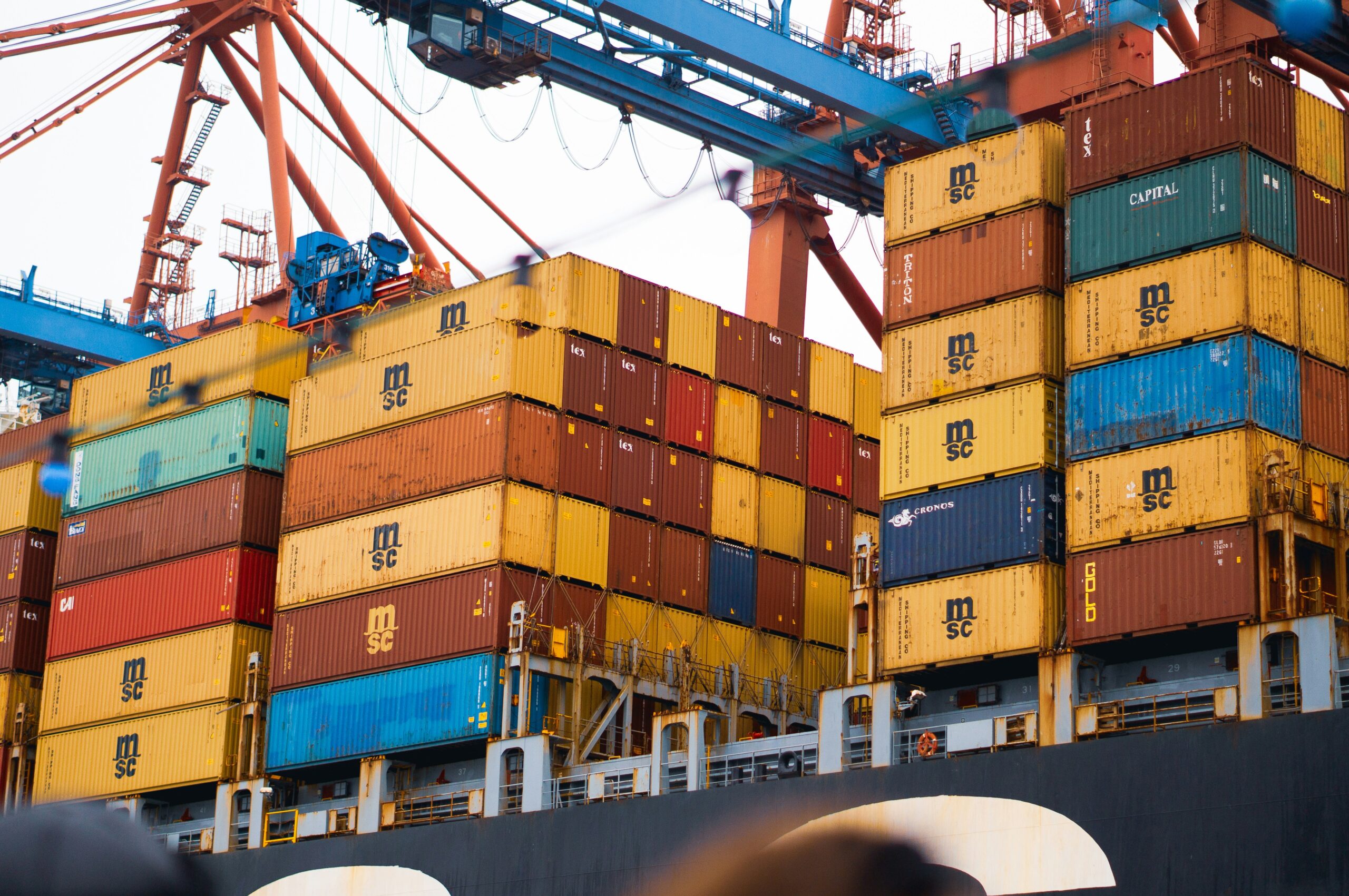
With its booming industrial base, advantageous location at the intersection of Europe and Asia, and abundant agricultural plains, Ukraine is a prominent participant in international commerce. Understanding the procedure is crucial for companies wishing to export products from Ukraine to maintain regulatory compliance and optimize processes. This manual offers a methodical approach to Ukrainian exporting.
Step 1: Understand Ukraine’s export landscape
Ukraine’s key export commodities include:
- Agricultural products
Grains (wheat, corn, barley), sunflower oil, and honey.
- Industrial goods
Iron and steel, machinery, and chemical products.
- Technology and IT services
Software and IT solutions are an emerging export sector.
The country has special access to the EU market as a result of its membership in international trade accords like the Association Contract with the EU. Additionally, Ukraine maintains trading ties with nations in the Americas, Asia, and Africa.
Step 2: Identify legal requirements and trade regulations
Businesses must abide by Ukrainian and global trade regulations before exporting. Important actions consist of:
- Obtain exporter registration
Every business that exports must be registered in Ukraine as a legal entity. This includes:
- Registering with the Unified State Register of Enterprises and Organizations.
- Obtaining a Taxpayer Identification Number.
- Understand export licensing
Certain goods require export licenses. These typically include:
- Military goods.
- Dual-use items (civilian goods that can also have military applications).
- Precious metals and stones.
Check with Ukraine’s State Service of Export Control to see whether your products need a license.
- Adhere to certification requirements
Frequently, exports must adhere to international norms. For instance:
- Products exported to the EU must meet EU quality and safety standards.
- Goods may require certificates of origin, quality, or phytosanitary certification for agricultural products.
- Comply with customs regulations
The Customs Code governs customs processes in Ukraine. Companies need to turn in the following paperwork:
- Customs declaration.
- Commercial invoices.
- Packing lists.
- Transport documents (e.g., bill of lading or airway bill).
Step 3: Develop a logistics and distribution plan
Export success depends on effective logistics. Here’s how to schedule your delivery:
- Choose a transport mode
Ukraine’s transport network includes:
- Ports
Odesa and Mykolaiv are major hubs for maritime exports.
- Rail
A cost-effective option for bulk goods.
- Road
Ideal for short-haul deliveries to neighboring countries.
- Air
Suitable for high-value or time-sensitive goods.
- Secure a freight forwarder
Logistics is the specialty of goods forwarders, who may help with:
- Customs clearance.
- Selecting the best routes.
- Ensuring cargo insurance.
- Ensure proper packaging
It is necessary to package goods to guard against damage while in transportation. Follow international packing criteria, such as those set out by the International Safe Transit Association (ISTA), when shipping internationally.
Step 4: Understand taxation and payments
Ukraine imposes duties and fees on items that are exported. The following should be understood by businesses:
- Export duties
Ukraine has low export taxes, however certain products (such as scrap metal) could have special levies.
- Value-Added Tax (VAT)
In Ukraine, exports are often VAT-free, but companies must present the required paperwork to be eligible.
- Foreign currency regulations
Foreign money is typically used to pay for exports. To maintain compliance, monetary transactions are regulated by Ukraine’s National Bank. Exporters need to:
- Open a foreign currency account.
- Report foreign currency earnings within specified deadlines.
Step 5: Explore trade financing and support
Financial resources are needed for exporting. Ukrainian companies have access to several support systems:
- Export Credit Agencies (ECAs)
For exporters, organizations such as the Export Credit Agency of Ukraine offer insurance and guarantees.
- International financial institutions
Banks that provide funding options for export initiatives include the European Bank for Reconstruction and Development (EBRD).
- Trade promotion organizations
The Ukrainian Chamber of Commerce and Industry offers resources such as trade fairs, market research, and business matchmaking.
Step 6: Build relationships with international buyers
Finding reliable international buyers is essential for successful exports. Strategies include:
- Participating in trade fairs and exhibitions.
- Using online platforms like Alibaba or Export.gov.ua.
- Partnering with trade representatives in Ukrainian embassies abroad.
Step 7: Address challenges and risks
Exporting from Ukraine comes with challenges, including:
- Geopolitical risks
Monitor political and economic developments.
- Market access issues
Research tariffs, quotas, and trade barriers in target markets.
- Logistics disruptions
Plan for contingencies, such as port closures or transport delays.
Step 8: Stay informed on updates
Trade regulations and market conditions change frequently. Exporters should stay updated on:
- Changes to Ukrainian trade policies.
- International trade agreements and sanctions.
- New market opportunities.
Conclusion
Businesses may benefit greatly from exporting goods from Ukraine as long as they are aware of the financial, logistical, and regulatory ramifications. Ukrainian exporters may thrive in international markets by following rules, utilizing trade assistance, and cultivating enduring connections with buyers. Navigating this changing environment requires careful preparation, risk management, and knowledge retention.
You may also find these articles helpful
Exporting goods from Qatar – full guide
Exporting goods from Russia – full guide