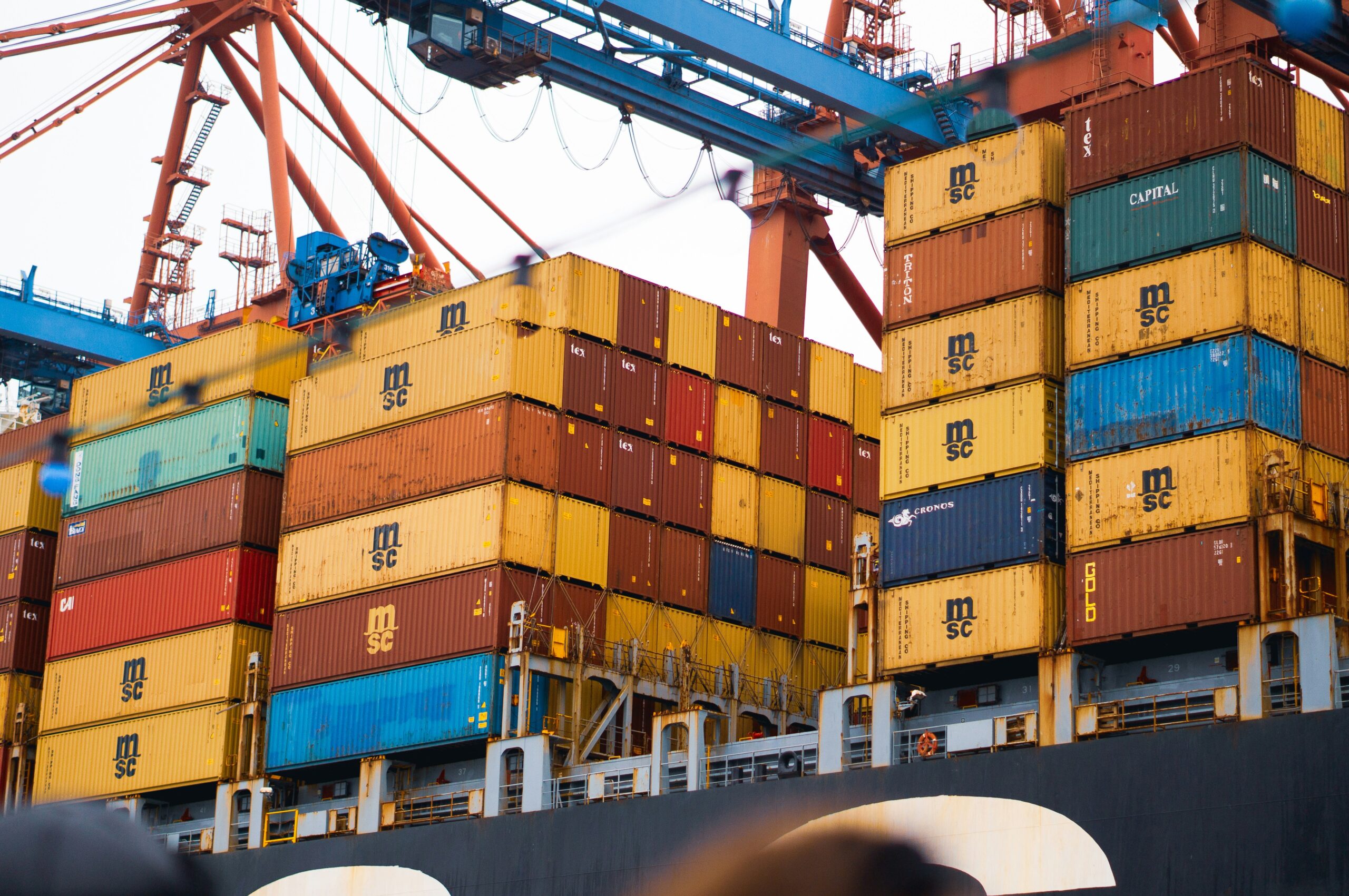
In Ukraine, import charges are demanded according to the customs worth of the items, which considers the cost of the products, delivery, insurance, and some other related costs. The country has a tariff classification scheme that is in accordance with the World Customs Organization’s Harmonized System (HS). Various costs apply contingent upon the sort of products, in this way shippers need to ensure they arrange their things precisely to stay away from fines or additional costs.

Ad valorem, special, and combined duties are the three primary categories of import taxes that apply in Ukraine. Specific duties are set amounts assessed per unit of commodities, such as per kilogram or liter, while ad valorem charges are computed as a percentage of the customs value of the items. Depending on the product type, combined duties use various computations and comprise both ad valorem and particular components.
Standard and preferential tariffs
Both regular and preferential tariff regimes apply to Ukraine’s operations. Goods imported from nations without special trade agreements with Ukraine are subject to standard duties. These taxes may be very hefty, especially for goods that rival domestic producers. Nonetheless, Ukraine sticks to WTO arrangements with respect to most extreme duty levels and is an individual from the World Trade Organization (WTO).
Nations that have economic accords with Ukraine, including Commonwealth of Independent States (CIS), European Union (EU), and European Free Trade Association (EFTA) members, are eligible for preferential tariffs. For instance, numerous EU-imported things are liable to lower or no duties under the EU-Ukraine Association Agreement, which advances exchange and financial collaboration among Ukraine and EU part states.
Excise taxes and value-added tax (VAT)
Value-Added Tax (VAT) and, sometimes, excise taxes are levied on items that are imported into Ukraine in addition to import charges. For the majority of imported items, Ukraine’s typical VAT rate is 20%. However, several categories are eligible for a lower VAT rate of 7%, including infant food, medical equipment, and medicines. Certain necessary imports, such as certain medical supplies and educational materials, could not be subject to VAT at all.
Products including petrol, alcohol, tobacco, and certain car models are subject to excise taxes. Instead of considering the worth of the items, these duties are determined by their quantity. The Ukrainian government regularly modifies excise tax rates to conform to global regulatory norms and deter the import of goods that are thought to be hazardous to the environment or public health.
Procedure for customs clearance and payment
Customs clearance is the first stage in the multi-phase import duty payment procedure in Ukraine. To ascertain the relevant charges and taxes, importers must provide the required paperwork, such as invoices, certificates of origin, and customs declarations. This procedure is supervised by the Ukrainian State Customs Service, which makes sure rules are followed and stops false declarations.
Before the items are released from customs, import taxes must be paid. Usually, bank transactions to approved government accounts are used to make payments. Failure to pay the right tariffs or provide valid paperwork may lead to penalties, delays, or even the seizure of goods. Ukraine has reduced bureaucratic delays by implementing digital customs systems that enable importers to complete payments and declarations online in order to promote commerce.
Special import conditions and exemptions
Under Ukrainian legislation, certain products and organizations may be eligible for exemptions or lower import taxes. Duties may not apply to diplomatic cargo, humanitarian relief, or equipment imported for certain investment initiatives. Additionally, special customs regimes that reduce or postpone import charges might be advantageous for products temporarily imported for exhibits, repairs, or reexport.
Additionally, Ukraine provides tax breaks to companies in critical sectors including agriculture, IT, and renewable energy. Businesses that invest in these industries may be eligible for duty-free imports of raw materials and equipment, which would promote innovation and economic development.
Challenges and current advancements
Ukraine still has to deal with issues including corruption, ineffective bureaucracy, and changing trade regulations despite its attempts to update its import tariff system. The nation is still working to improve trade transparency and bring its customs processes into compliance with international norms. To reduce smuggling and tax evasion, recent initiatives have included cutting down on paperwork, boosting digitization, and strengthening border controls.
Additionally, geopolitical considerations such as Ukraine’s economic ties with the EU and conflicts with Russia impact its import tariff policy. Import tariff systems have sometimes changed as a result of trade restrictions on specific Russian items and changing alliances. Companies who deal with Ukraine need to be aware of these developments in order to be competitive and compliant.
You may also find these articles helpful
Exporting goods from Cape Verde