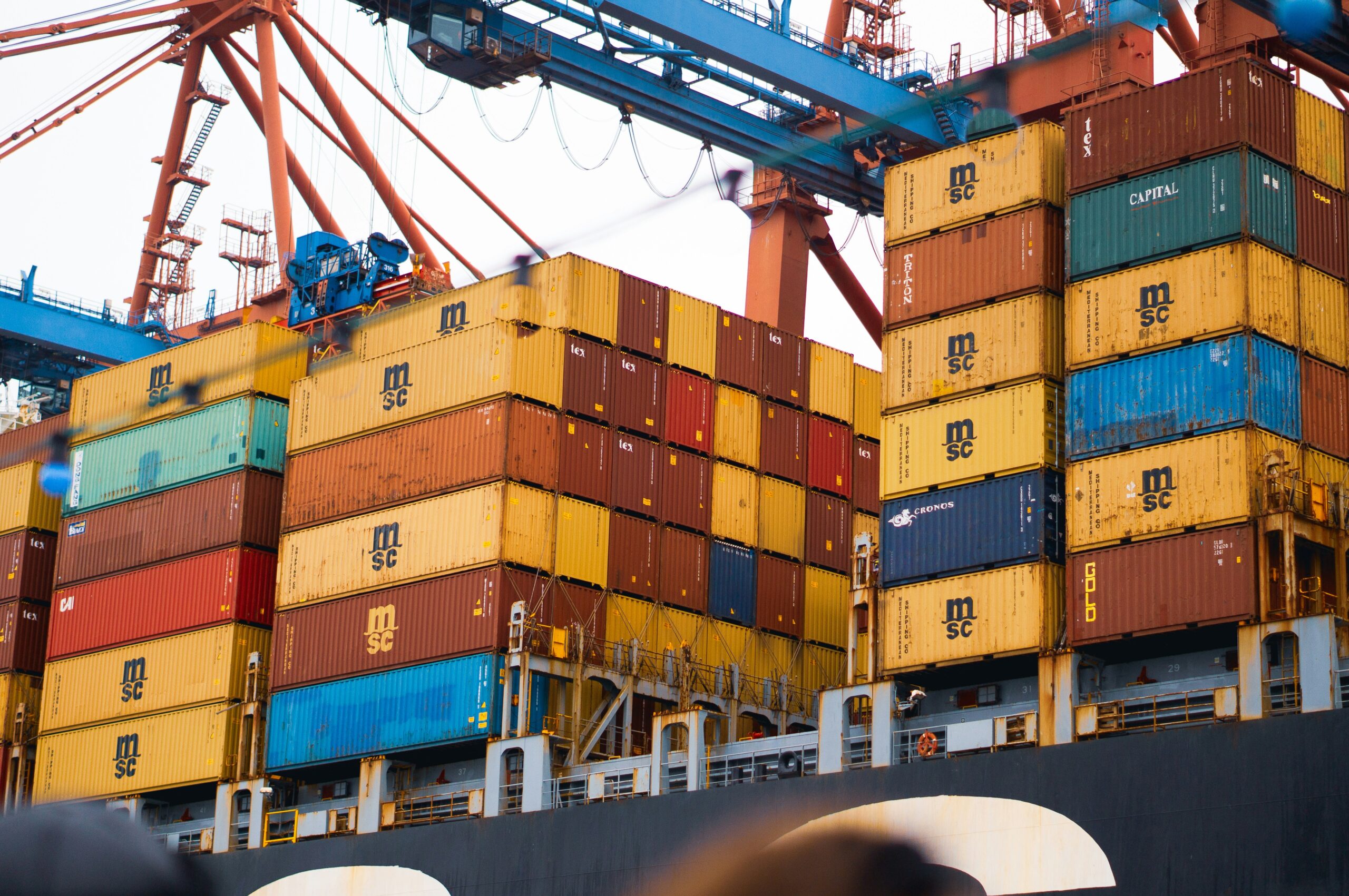
To raise money for the government and control commerce, the British Virgin Islands impose import taxes on items that enter the country. Although the territory has no sales, income, or value-added taxes (VAT), imports have become one of its main revenue sources. Such taxes affect consumers since imported luxuries and non-essentials would be reduced, with some of the revenue being used for public services like healthcare, education, and infrastructure development.

Calculation of duty
The BVI calculates import duties on the Cost, Insurance, and Freight (CIF) value of the consigned items. CIF includes the total amount paid for purchase of goods, freight charges incurred in the transfer of goods, plus the premium on the insurance of the goods while on transport. In customs declaration, importers are to declare the CIF value for their goods. Being dishonest or underreporting may lead to penalties that include fines and seizure of product. Imported items are subject to different duty rates. Generally speaking, duty rates are lower for necessities such basic food and medical supplies and higher for luxury products, automobiles, and technology.
Common rates of duty
In the British Virgin Islands, duty rates typically vary from 5% to 20%, dependent on the kind of commodities. Some instances are as follows:
Beverages and food
To maintain affordability, staples like fresh vegetables, rice, and wheat are subject to reduced taxes. On the other hand, imported tobacco and alcohol are subject to higher charges, often surpassing 20%.
Electronics
Compared to other Caribbean islands, electronics like as laptops, cellphones, and home appliances are quite costly due to the usual 10%–15% tax rates.
Automobiles
The engine size determines the import charges on automobiles; bigger and more upscale models are subject to higher tariffs. They might be anything from 20% to more than 35%.
Building supplies
Depending on the item, building materials are often imported and subject to mild taxes due to the BVI’s continuous infrastructure development.
Exclusions and rebates
In order to lower the financial burden on citizens and encourage certain industries, the BVI provides a number of import duty exemptions and concessions. As an example:
Duty-free allowance
Passengers are permitted to enter the country with up to $200 worth of duty-free personal items. Due to this exception, residents and tourists may avoid paying customs on minor purchases.
Incentives for businesses
When importing equipment or supplies for operational use, businesses in priority industries, including tourism and renewable energy, may be eligible for lower duty rates or exemptions.
Charitable organizations
Nonprofits often enjoy import duty exemptions when they bring in commodities for the general public’s benefit, such as medical supplies or supplies for disaster assistance.
Customs clearance procedure
In order to transport products into the British Virgin Islands, importers must go through a customs clearance procedure. This is involved with:
Customs declaration
A customs declaration form informing the importers of the products’ type, quantity, and CIF value must be submitted. Shipping receipts and invoices are examples of supporting paperwork that has to be submitted.
Inspection
To confirm the correctness of the declaration and make sure local laws are being followed, customs officers may examine the items.
Payment of duties
The payment of duties Importers must pay the relevant fees when the duties are determined before the products are released.
Despite the fact that the customs procedure is meant to be simple, insufficient paperwork or misreported products may cause delays.
Effect on consumers and businesses
Business operations and the cost of life are significantly impacted by import tariffs in the BVI. Because of the increased dependence on imported products, customers must pay more for common commodities like food and home appliances. In addition, the levies raise the total cost of durable products like cars and gadgets.
For firms, import tariffs are a significant cost, especially for those that depend on imported goods or supplies. For industries like construction, retail, and hospitality in particular, this is true. But companies may often pass these expenses on to customers in the form of increased pricing.
Governmental initiatives
The British Virgin Islands’ government often assesses its import tariff regulations to make sure they meet public demands and economic interests. To encourage sustainability, it has taken steps like lowering taxes on energy-efficient devices and renewable energy sources like solar panels. The government has also temporarily reduced tariffs on building goods and materials to aid in recovery in response to post-hurricane reconstruction operations. In order to improve revenue collection and lessen administrative difficulties for importers, efforts to improve compliance and expedite customs procedures have also been given top priority.
To ensure compliance with local legislation and navigate the system efficiently, it is essential for anybody importing products into the BVI to comprehend the duty rates, exemptions, and customs procedures.
You may also find these articles helpful
Foreign diplomatic relations of the British Virgin Islands
Foreign diplomatic relations of the US Virgin Islands