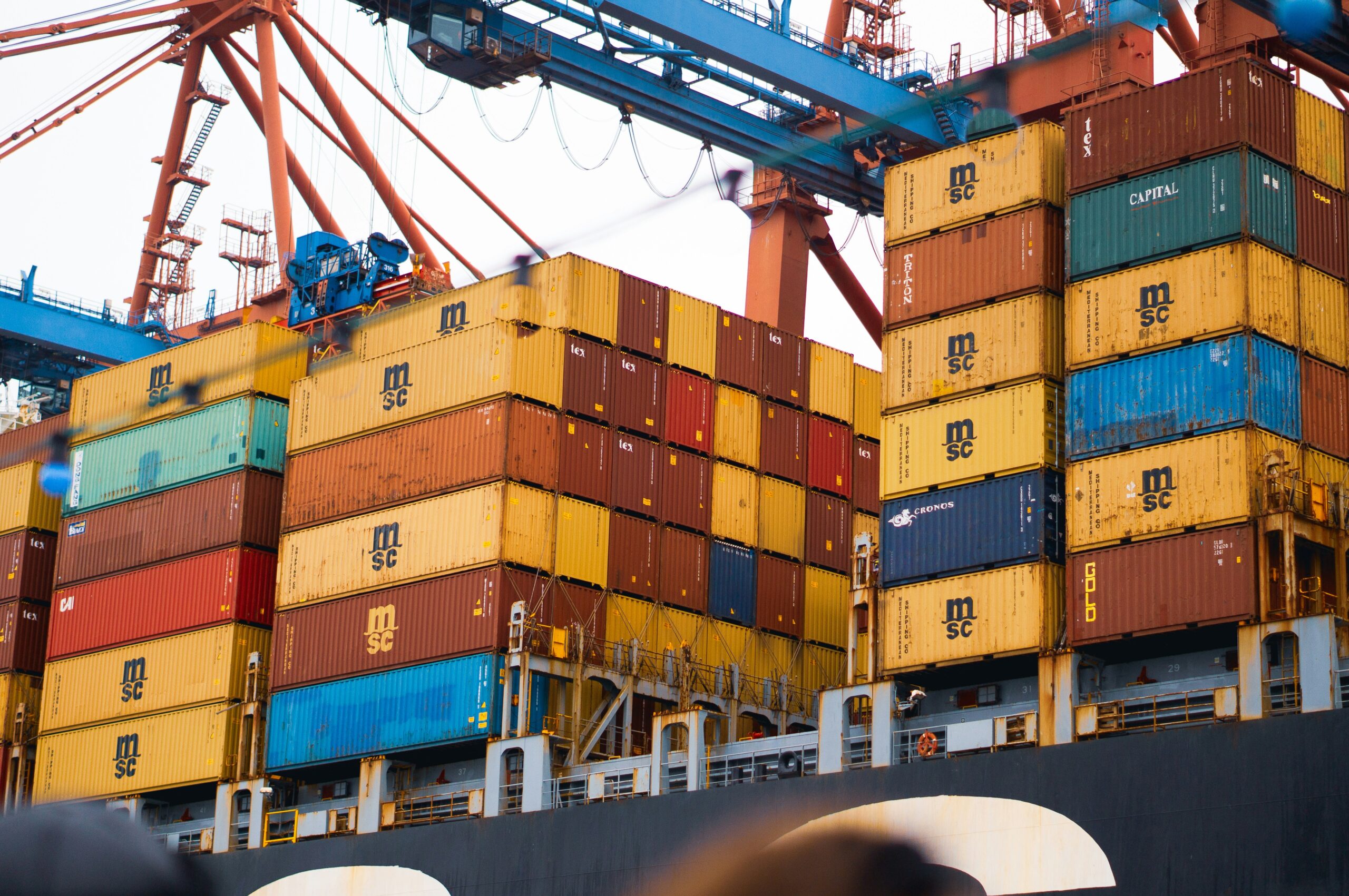
Import duties contribute an important share to the coffers of the government of Bermuda. The unique condition of such a country is that unlike most other countries, Bermuda does not levy any sales or income tax. Thus, import tariffs are the main pillar of the revenue collected to further public facilities such as infrastructure, health, and education. This also helps the country get further toward sustainable development while simultaneously managing the inflow of goods into the island to prevent the excessive intake of luxury-or non-essential goods.

Apart from generating income, import taxes in Bermuda are intended to assist local companies by raising the cost of imported products, which gives locally made goods a competitive advantage. Although the island’s tiny size restricts local manufacturing to a few industries, such crafts and agriculture, import taxes aid in the preservation of these sectors.
Estimating import taxes
In Bermuda, the Customs Declaration Form, which details the value of the imported items, is used to determine import tariffs. Usually, this sum covers the purchase price as well as shipping and insurance charges. Because understating the worth of their products may result in fines and even product seizure, importers must disclose the true value of their items.
The kind of products being imported affects the duty rates. While luxury products, technology, and automobiles are subject to higher tariffs, necessities like food and medical supplies are often subject to lower taxes. A detailed document that describes the taxes for different types of imports, Bermuda’s Customs Tariff regulates the appropriate duty rates and the categorization of commodities.
Tariffs on frequently imported items
Bermuda has tariff rates that vary from 0% for some necessities to 75% for luxury or non-essential products. Food and drink taxes are often lowered to maintain affordability, particularly for staples like bread, rice, and fresh fruit.
Luxury items such as jewelry, high-end technology, and designer clothes carry much higher prices, often 25% to 75% more than their normal cost. Smartphones and computers, for instance, pay taxes ranging from 15% to 25%. Due to a lack of indigenous manufacturing, cars are often imported. The tax rate on these vehicles is determined by the type and size of the engine, with bigger or more upscale automobiles paying higher rates.
Import taxes on tobacco and alcoholic drinks are similarly high, and the rates vary according on the product’s nature and amount. This is a component of the government’s plan to curb excessive use of certain goods while still making money.
Exclusions and rebates
Bermuda benefits certain businesses and groups by providing a number of import duty exemptions and concessions. Upon entering Bermuda, visitors are entitled to a $200 duty-free allowance on personal items. Due to this exception, residents and tourists may enter the island with modest amounts of items without paying extra fees.
Companies in industries including renewable energy, tourism, and agriculture may be eligible for tariff breaks under government programs. In support of Bermuda’s environmental efforts, businesses who engage in renewable energy projects, for example, may import solar panels and associated equipment at reduced or zero-duty rates.
Import taxes are also often waived for institutions and nonprofits that bring in commodities for the general public, guaranteeing that funds are used for community well-being rather than government coffers.
Customs clearance procedure
The primary aim of customs procedure in Bermuda is to provide transparency and conformity to the overall compliance. Importers need to submit the Customs Declaration Form and include proper supporting documents such as invoices, shipping information, and proof of payment to substantiate the value and classification of their goods. The customs officers may sometimes inspect goods to ensure the accuracy of the declaration. Following the calculation of tariffs, importers must pay the relevant fees in order for the goods to be released. Importers are advised to make sure all paperwork is correct in order to prevent delays or fines, although the procedure is usually quick.
Effects on the consumers and economy
In Bermuda, import taxes directly affect living expenses and company operating costs. Customers pay more for imported products as a result of the levies, which is reflected in the retail price of commonplace things. Even necessities are exposed to these increasing prices due to the absence of local manufacturing and dependence on imports.
Businesses that depend on imported goods, machinery, or materials may find that import levies have a major impact on operating costs. Even if duty reductions help some industries, it might be difficult for companies in other sectors to keep their prices competitive.
Nevertheless, import taxes are an essential economic balancing mechanism in Bermuda. They provide crucial financial support for public services, promote more sustainable consumer habits, and aid in safeguarding nearby companies.
Looking ahead
The Bermudan government keeps improving its import tariff regulations to help with sustainable growth and economic issues. The main goals of recent measures have been to promote the importation of eco-friendly goods, expedite customs processes, and increase tariff exemptions for developing businesses. The goal of these initiatives is to preserve budgetary stability while fostering a more sustainable and fairer economic environment.
You may also find these articles helpful
Foreign diplomatic relations of Bermuda