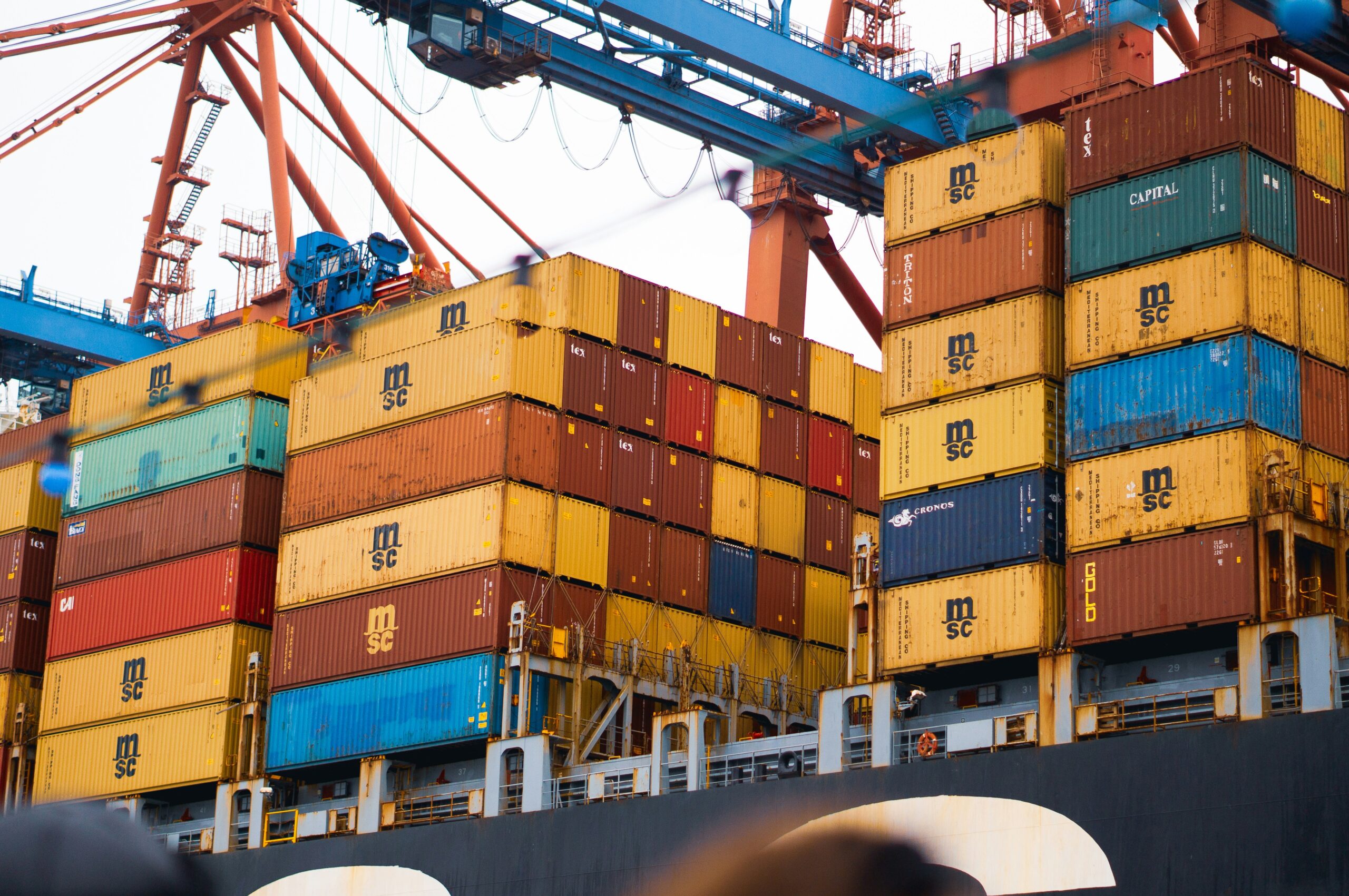
In Barbados, import tariffs have many functions. Most and foremost, these taxes generate huge revenues for the government to finance infrastructure, health, and education services that are crucial for the public. These taxes also provide the government with an instrument to control the supply of commodities entering the country. Elevated taxes on luxuries and non-essential commodities protect domestic sectors from outside competition while discouraging excessive imports.

Strategic import taxes are another tool the government use to promote ecologically friendly goods and sustainable consumption. In line with the nation’s objectives to lessen its carbon imprint, for example, reduced duty rates could be applied to renewable energy equipment or energy-efficient appliances.
Estimating import taxes
The CIF (Cost, Insurance, and Freight) value of products is the basis for calculating import tariffs in Barbados. This method of value considers the whole cost of the products, insurance, and freight used to get them to Barbados. Following the determination of the CIF value, the relevant duty rate is applied.
Depending on the kind of products, Barbados’ duty rates might vary significantly. Luxury products like luxury cars, high-end gadgets, and designer clothing are subject to far higher tariffs than essential commodities like basic medications and fundamental foods, which often provide cheaper rates.
Duty rates for common imports
Certain necessities in Barbados have import duties as low as 0%, whereas luxury products have duties as high as 200%. For the local populace to be able to buy them, basic foods like rice, wheat, and fresh vegetables are often taxed at low or no rates. Likewise, for the sake of public health, critical medications and medical supplies sometimes qualify for duty exemptions or lower rates.
Premium gadgets, designer clothes, and fragrances, on the other hand, are subject to high taxes, often at rates more than 100%. Automobiles are yet another significant import sector with variable duty rates. Age, engine type, and size are some of the variables that affect the rate. In order to promote environmental sustainability, bigger, luxurious, or older automobiles are taxed at higher rates, whereas smaller, more fuel-efficient vehicles usually receive lower taxes.
Exclusions and rebates
To help certain industries and people, Barbados offers a number of import duty exemptions and concessions. When entering Barbados, tourists and returning citizens are usually granted duty-free allowances on personal goods up to a certain amount, usually $500 BBD. This clause makes it simpler for people to enter the nation with modest amounts of items without having to pay extra fees.
A number of government incentive schemes may provide tariff reductions for companies operating in vital industries including manufacturing, renewable energy, and agriculture. Farmers who import agricultural equipment or firms that import raw materials for domestic manufacturing, for instance, may be eligible for lower or zero-duty rates. Both economic diversification and the development of local industries are the goals of these policies.
Furthermore, when importing products for official or public purpose, diplomatic and charity organizations are often free from import tariffs.
Customs procedure
Barbados’ customs procedure is meant to guarantee adherence to rules and expedite the effective clearance of goods. Importers are required to notify the Barbados Customs and Excise Department of all inbound products. Submitting comprehensive paperwork, including as invoices, shipping records, and evidence of payment, is necessary for the declaration procedure.
In order to confirm that the declaration is accurate, customs officials may examine the items. Upon confirmation of the CIF value and duty rate, the importer is required to pay the relevant taxes and duties before the goods are issued. Important consequences, such as fines or item confiscation, may arise from late declarations or underreporting of commodities.
Effects on businesses and customers
The cost of conducting business and the cost of products are significantly impacted by import tariffs in Barbados. Customers often pay more at retail for imported goods, particularly luxury items, as a result of the levies. The cost of daily life may increase as a result, especially for goods that are not made locally.
Particularly for companies that depend on imported equipment, finished items, or raw materials, import tariffs may raise operating expenses. Although tariff concessions provide some respite to sectors that qualify, companies outside of these groups may find it difficult to maintain competitive pricing.
Nevertheless, by making imported items comparatively costlier, import tariffs provide vital safeguards for domestic manufacturers. As a result, home businesses are supported and the use of locally made items is encouraged.
Prospects for the future
To find a balance between making money, assisting regional businesses, and guaranteeing affordability for citizens, the Barbados government constantly assesses its import tariff laws. The importation of eco-friendly goods has been promoted, customs procedures have been streamlined, and companies in new sectors like technology and renewable energy have been given more incentives.
You may also find these articles helpful
Foreign diplomatic relations of Barbados