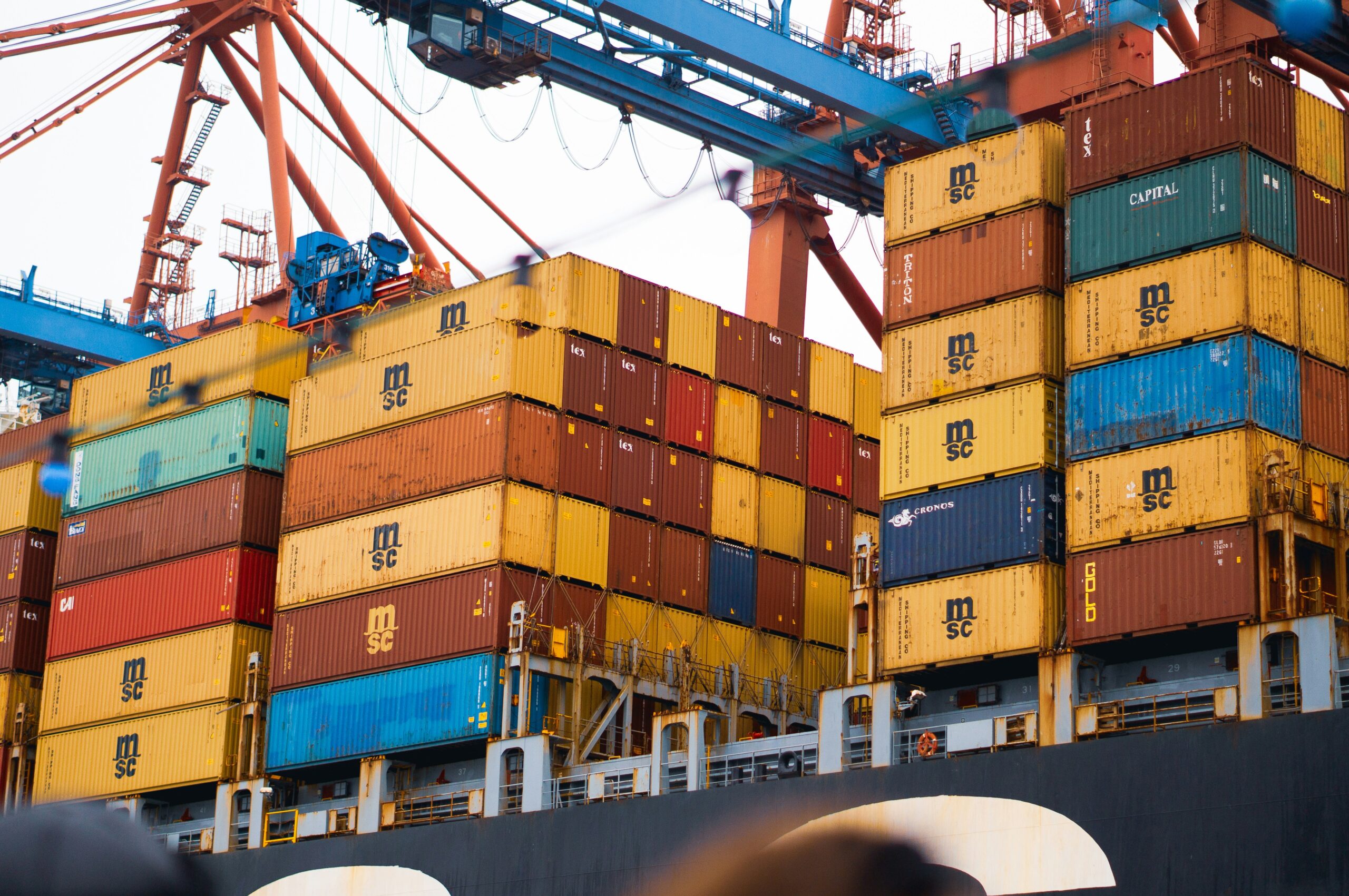
Textiles, manufactured goods and agricultural commodities make up the main exports from El Salvador. Indeed, the country has been able to diversify investments into electronics, processed foods and light manufacturing, traditional exports comprise of coffee, sugar and shrimps. More specifically, non-traditional goods which are gaining momentum in most foreign targeted regions include: value added textiles, organic coffee and tropical fruits among others. Every exporter must apply to the tax authority for a Tax Identification Number and register with Ministry of Finance of the Republic of El Salvador. The Register of Exporters is kept by the Export and Investment Promotion Agency of El Salvador (PROESA). All exporters are required to register with the body. However, some items such as medicines or exports of agricultural products may require additional licenses or permits.
Recognizing export laws
The motivation behind El Salvador’s export regulations is to safeguard quality and guarantee adherence to international standards. Exporters are expected to get phytosanitary certificates from the Ministry of Agriculture and Livestock for agricultural products. Target markets have particular labeling and safety regulations for products like electronics and textiles. To guarantee that commodities are transported smoothly, exporters must also abide by stringent anti-smuggling and customs compliance requirements.
Documentation requirements
When exporting products from El Salvador, important paperwork such a bill of lading or airway bill, packing list, and commercial invoice must be prepared. Under trade accords such as the Dominican Republic-Central America Free Trade Agreement (CAFTA-DR), items that benefit from favorable tariffs must have a Certificate of Origin. Phytosanitary or health certifications are often needed for agricultural and food products. The easy clearance of products through customs and compliance with the requirements of the destination country are guaranteed by proper paperwork.
Customs procedures
The Direction General de Aduanas, the Salvadoran Customs Authority, is in charge of export process management. In order to simplify trade procedures across the area, exporters are required to electronically submit a customs declaration using the Central American Single Declaration (DUCA) website. To make sure the products match the disclosed paperwork and adhere to national and international laws, customs officers examine the commodities. Companies are urged to collaborate with authorized customs brokers in order to navigate the export procedure effectively.
Market access and trade agreements
A number of trade agreements that El Salvador is a part of increase its export competitiveness. Reduced tariffs on textiles, agricultural products, and manufactured commodities provide access to the U.S. market under the CAFTA-DR deal. Trade agreements with South Korea, the European Union, and other nations also help the nation by giving Salvadoran exporters access to a variety of markets. To optimize advantages, it is essential to comprehend the laws of origin and other terms of these agreements.
Logistics and transportation
El Salvador has a sophisticated logistics system, which includes the International Airport of El Salvador, a significant air freight center, and the Port of Acajutla, which manages most marine exports. The geography of the country in North and South America enhances its effective shipping services to both continents. It is advisable that exporters work hand in hand with reliable freight forwarders for effective logistics and ensure that goods reach foreign destinations in time.
Sustainability and future of exports
El Salvador has been keen about sustainability in its export strategy, particularly in the industrial and agricultural high demand sectors. There is an increasing global demand for sustainable design textiles, sustainably harvested seafood and organic coffee. This so-called from the export risk trend can be effectively managed by the exporters obtaining certification such as Rainforest Alliance, USDA Organic or Fair Trade. This makes their products more appealing in the markets where the environmental awareness among consumers is high.
Difficulties and risk control
International standards compliance, logistical delays, and shifting worldwide demand are some of the difficulties faced by El Salvadorian exporters. To reduce these risks, one must spend in market research to find stable and expanding markets and get export insurance to guard against payment failures. Another way to lessen uncertainty is to establish enduring connections with foreign customers and make sure that contracts are detailed and unambiguous.
Assistance from the government to exporters
The Salvadoran government offers exporters a lot of assistance via PROESA and other organizations. Services include trade missions to link exporters with foreign clients, training courses, and market research. There are also financial incentives, such tax breaks and export finance schemes, to entice companies to enter international markets.
You may also find these articles helpful
Trade agreements in El Salvador
Foreign diplomatic relations of El Salvador
Exporting goods from Qatar – full guide