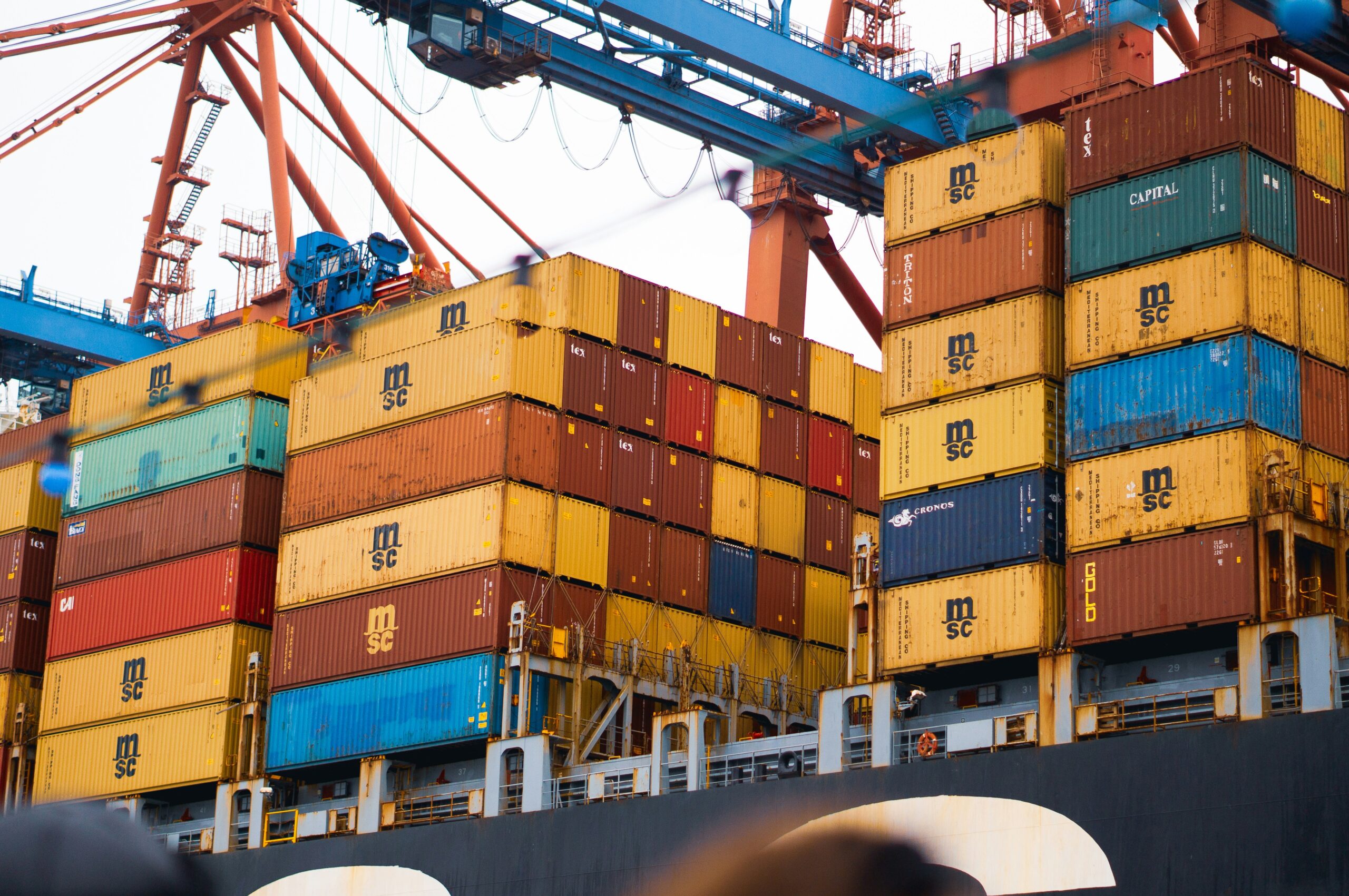
Slovenia, a country in central Europe, has a flourishing export sector. It acts as an entry point to the European Union as well as abroad because of its advantageous position, strong facilities, and knowledgeable workforce. Slovenian exporting may be a profitable endeavor, but it takes preparation and knowledge. The fundamentals of exporting products from Slovenia will be covered in this tutorial.
Understanding Slovenia’s export potential
Slovenia’s industry is varied and includes important export industries such as food items, equipment, medicines, and auto parts. It is ideally situated for trade at the intersection of Europe. Strong EU trade pacts, access to international markets, and a track record for producing excellent goods are all advantages for Slovenian exporters.
Preparing your export business
Establishing a Slovenian business registration is crucial before you begin exporting. Make sure your company abides by local tax rules and ordinances. Depending on the type of goods you sell, get the required licenses or permissions. To manage cash transactions with overseas purchasers, you must also set up bank accounts.
Researching target markets
Determine which markets are most suited for your goods. Take into account elements such as price, competition, request, and cultural tastes. Due to the absence of trade restrictions and customs charges, Slovenia’s EU membership makes exporting to other EU nations easier. Examine import regulations and trade pacts for non-EU markets to guarantee seamless operations.
Complying with export regulations
When exporting from Slovenia, one must adhere to both the requirements of the recipient nation and EU rules. Export processes are supervised by Slovenian customs officials. You must guarantee that your products fulfill requirements, such as CE certification for certain items, and categorize them using the appropriate HS code. Penalties or delays might result from noncompliance.
Obtaining export documentation
Proper documentation is crucial when exporting goods. Key documents include:
- Invoice and packing list
Details of the goods and their value.
- Certificate of Origin
Proof that goods originate from Slovenia.
- Export declaration
Required for customs clearance.
- Transport documents
Such as a Bill of Lading or Airway Bill.
These records simplify customs clearance in Slovenia and the country of destination while guaranteeing transparency.
Choosing the right transportation method
Road, rail, sea, and air are all supported by Slovenia’s first-rate facilities. Access to worldwide trade paths is provided via the Port of Koper, a significant center for global shipping. Select between speedier air freight or more affordable sea freight based on the merchandise and destination. Road and rail transit can be facilitated by local logistical suppliers.
Calculating costs and setting prices
Additional expenses including shipping, coverage, customs charges, and local revenue in the destination market must be taken into account when exporting. Set affordable rates while maintaining profitability by carefully calculating these expenses. To prevent confusion with customers, use explicit pricing words such as CIF (Cost, Insurance, and Freight) or EXW (Ex Works).
Securing payment and financing
Risks might arise from export operations, particularly when working with foreign clients. To lower financial hazards, take into account safe payment options like bank assurances or letters of credit. To increase your exporting capability, Slovenian lenders and export-related organizations can provide financing solutions including working capital assistance, export credit insurance, and pre-shipment financing.
Marketing your products globally
Effective advertising methods are necessary to draw in overseas customers. Create a polished website that highlights your offerings, credentials, and contact information. Engage in international exhibits and trade shows to meet possible customers. To improve visibility, make use of export listings or e-commerce platforms. Adapt your marketing strategies to the language and tastes of the target market.
Navigating challenges in exporting
Issues like shifting currency rates, trade restrictions, or cultural disparities might make exporting difficult. The secret to overcoming these challenges is to remain knowledgeable and flexible. Stay informed on EU rules, international economic conditions, and Slovenian trade policy. To guarantee seamless operations, cultivate solid connections with reputable logistics companies, customs officers, and overseas purchasers.
Ending note
Slovenian exporting has several prospects, but it also demands planning and effective implementation. Slovenian companies may prosper in global commerce by comprehending the rules, investigating markets, and creating sound financial and logistical preparations. Regardless of your level of experience, Slovenia’s advantageous location and business-friendly atmosphere give it a solid foundation for international success.
You may also find these articles helpful
Exporting goods from Qatar – full guide
Exporting goods from Russia – full guide