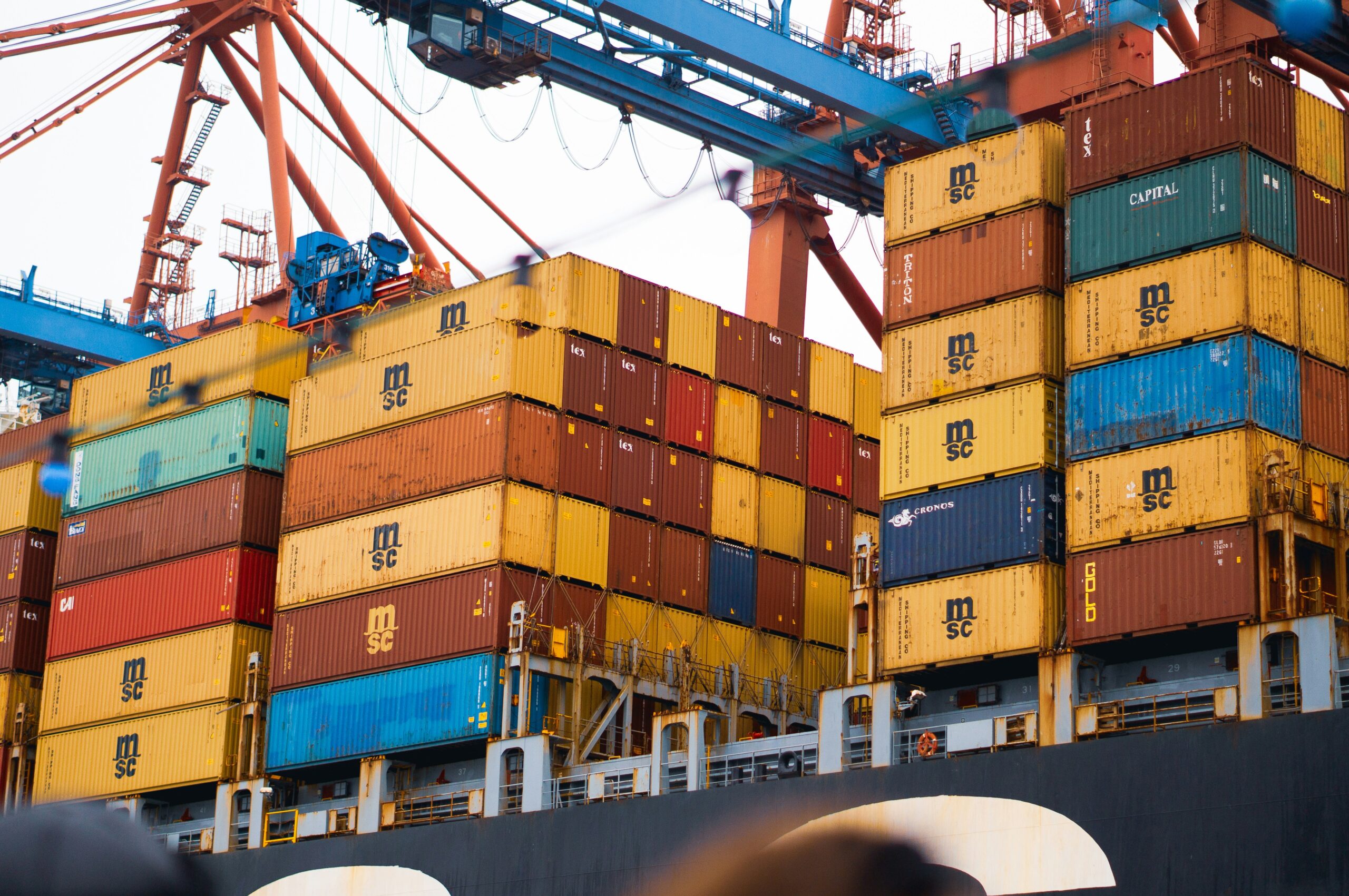
Located in the Caribbean, the Cayman Islands are well-known for their breathtaking beaches, booming banking industry, and distinctive trading options. There are many opportunities for companies and entrepreneurs that want to reach a worldwide market by exporting their products from this tropical paradise. However, a thorough awareness of regional and global trade regulations is necessary to successfully navigate the export procedure. A detailed road map for exporting products from the Cayman Islands is provided in this guide.
Step 1: Complying with export regulations
Learn about the Cayman Islands Customs and Border Control (CBC) rules before you start the export process. To ensure adherence to national and international trade regulations, the CBC regulates the flow of products into and out of the region.
- Export licenses
Export permits may be needed for some items, including hazardous chemicals, animals, and cultural artifacts.
- Restricted and prohibited items
Strict laws or complete prohibitions apply to items like guns, endangered species, and fake goods.
- Customs documentation
In addition to completing a Customs Declaration Form, exporters are required to submit supporting documentation, including packing lists, invoices, and certificates of origin.
To guarantee compliance, exporters are advised to speak with the CBC or hire a certified customs broker.
Step 2: Identifying exportable goods
Although most of the Cayman Islands’ commodities are imported, some things have the potential to be exported. These consist of:
- Seafood and marine products
Despite its modest size, the islands’ fishing sector is well-known for its premium seafood.
- Handcrafted goods
International markets favor products like jewelry, textiles, and regional artwork.
- Rum and spirits
Rum from the Cayman Islands is becoming a major export due to its widespread reputation.
Make sure your product satisfies international quality standards and evaluate the demand for it in target areas.
Step 3: Navigating international Trade trade
As a British Overseas Territory, the Cayman Islands profit from trade pacts set up by the UK. By lowering tariffs and other trade barriers, these accords grant privileged access to specific markets.
For instance, many Caribbean exports are eligible for duty-free entry under the Economic Partnership Agreement (EPA) with the European Union. To increase their competitive advantage, exporters have to study relevant trade agreements.
Step 4: Packaging, labeling, and logistics
Selling items is only one aspect of exporting; another is following stringent packaging and labeling guidelines.
- Packaging
Make sure your items are safely packed to endure lengthy delivery times. When feasible, choose environmentally friendly products since customers throughout the world are becoming more concerned about sustainability.
- Labeling
The destination country’s standards for product details, weight, ingredients, and provenance must all be met by the labels.
- Logistics
Join forces with reputable shipping firms that focus on exporting products from the Cayman Islands. Sea freight for large shipments or air freight for urgent commodities are options.
To prevent delays, especially when handling perishable commodities, properly plan your logistics.
Step 5: Ensuring compliance with import regulations
Import laws vary by destination country, and failure to comply may result in hefty penalties or shipment refusals. Typical prerequisites consist of:
- Tariff classification
Find your product’s Harmonised System (HS) code, which determines the appropriate taxes and levies.
- Sanitary and Phytosanitary Standards (SPS)
Food and agricultural products, for example, must adhere to the importing nation’s health and safety regulations.
- Trade restrictions
Recognize any trade restrictions or embargoes that could apply to particular nations or products.
Hiring a consultant for international trade can make this process easier.
Step 6: Financing and insurance
Production, transportation, and compliance costs must be paid in advance when exporting. To control monetary risks:
- Secure export financing
Exporters frequently receive trade credit or loans from domestic and foreign institutions.
- Insure your shipments
Insurance for marine cargo guards against damage or loss while in transit.
These steps guarantee that your company maintains its financial stability during the exporting procedure.
Step 7: Building long-term relationships
Strong ties with foreign partners are essential for successful exporting. Maintaining regular contact with distributors, importers, and consumers fosters confidence and guarantees recurring business. Join export groups, go to foreign trade shows, and use internet channels to grow your network.
Ending thought
Exporting products from the Cayman Islands is a lucrative venture that helps companies expand internationally. Entrepreneurs may transform the islands’ distinctive products into international success stories by comprehending export laws, spotting market niches, and making investments in first-rate logistics. The Cayman Islands’ rich history and advantageous position offer a solid basis for success, regardless of your level of experience exporting or your level of familiarity with international trade.
You may also find these articles helpful
Foreign diplomatic relations of the Cayman Islands
Exporting goods from Qatar – full guide
Exporting goods from Russia – full guide