Although Latvia is a small nation, it has a significant diplomatic presence. Nestled among the Baltics, Latvia has embraced both historical and contemporary connections, deliberately positioning itself as a bridge between East and West. With its careful yet practical approach to international politics and its profound incorporation into European institutions, Latvia’s diplomatic dance is an intriguing story of tenacity, strategy, and cross-cultural ties.
Latvia’s diplomatic identity
Latvia’s foreign policy combines historical awareness with pragmatic forward-thinking. Its diplomatic philosophy—sovereignty is precious, allies are vital—was molded by its 1918 independence, 1940 loss, and 1991 reclaiming. In pursuit of economic stability and security after gaining independence, Latvia quickly allied itself with Western institutions. It respects its history while presenting itself as a contemporary European state. Latvia’s perspective on the world is defined by its balancing act between history and modernity.
European integration
European integration serves as the cornerstone of Latvia’s diplomatic endeavors. A significant milestone, joining the EU in 2004 brought with it political stability, economic progress, and worldwide influence. Latvia strongly promotes greater European integration by pushing for green policies, digitalization, and enhanced security. Latvia continues to be a dedicated member of the EU despite sporadic conflicts inside the organization, viewing European unity as a safeguard and a platform for its own national goals.
NATO and security
For Latvia, security is a need, not merely a policy. Latvia’s most important strategic choice, given its history of Soviet domination, is its membership in NATO, which it has held since 2004. Its dedication is demonstrated by its participation in foreign operations, hosting NATO soldiers, and raising defense spending. Latvia sees Russian aggression as a clear danger and supports Ukraine as well. Latvia’s message is clear in a tumultuous geopolitical environment: unity through diplomacy, security through strength.
Relations with Russia
Latvia’s relationship with Russia is a mix of history, pragmatism, and vigilance. Decades under Soviet rule left scars, and Russian policies often raise concerns. Trade and energy ties exist, but Latvia is cautious, aligning with Western sanctions. The sizable Russian-speaking minority in Latvia adds another layer to this relationship. While diplomacy remains open, Latvia’s approach to Russia is firm: sovereignty and European values are non-negotiable.
The Nordic and Baltic brotherhood
Latvia’s closest allies are its Baltic and Nordic neighbors. With Estonia and Lithuania, Latvia shares deep historical, economic, and security ties. The Nordic countries, especially Sweden and Finland, offer investment, expertise, and political alignment. Through organizations like the Baltic Assembly and the Nordic-Baltic Eight (NB8), Latvia strengthens its regional influence. This northern alliance isn’t just diplomatic—it’s a cultural and economic lifeline that shapes Latvia’s global positioning.
Transatlantic ties
The United States and Canada play vital roles in Latvia’s foreign policy. U.S. military presence reassures Latvia’s security, while economic cooperation fosters innovation and trade. Canada, with its large Latvian diaspora, strengthens cultural and political connections. Latvia actively supports strong EU-NATO cooperation, aligning itself with Western democratic values. These transatlantic ties aren’t just strategic; they represent Latvia’s firm stance in the global order.
Economic diplomacy
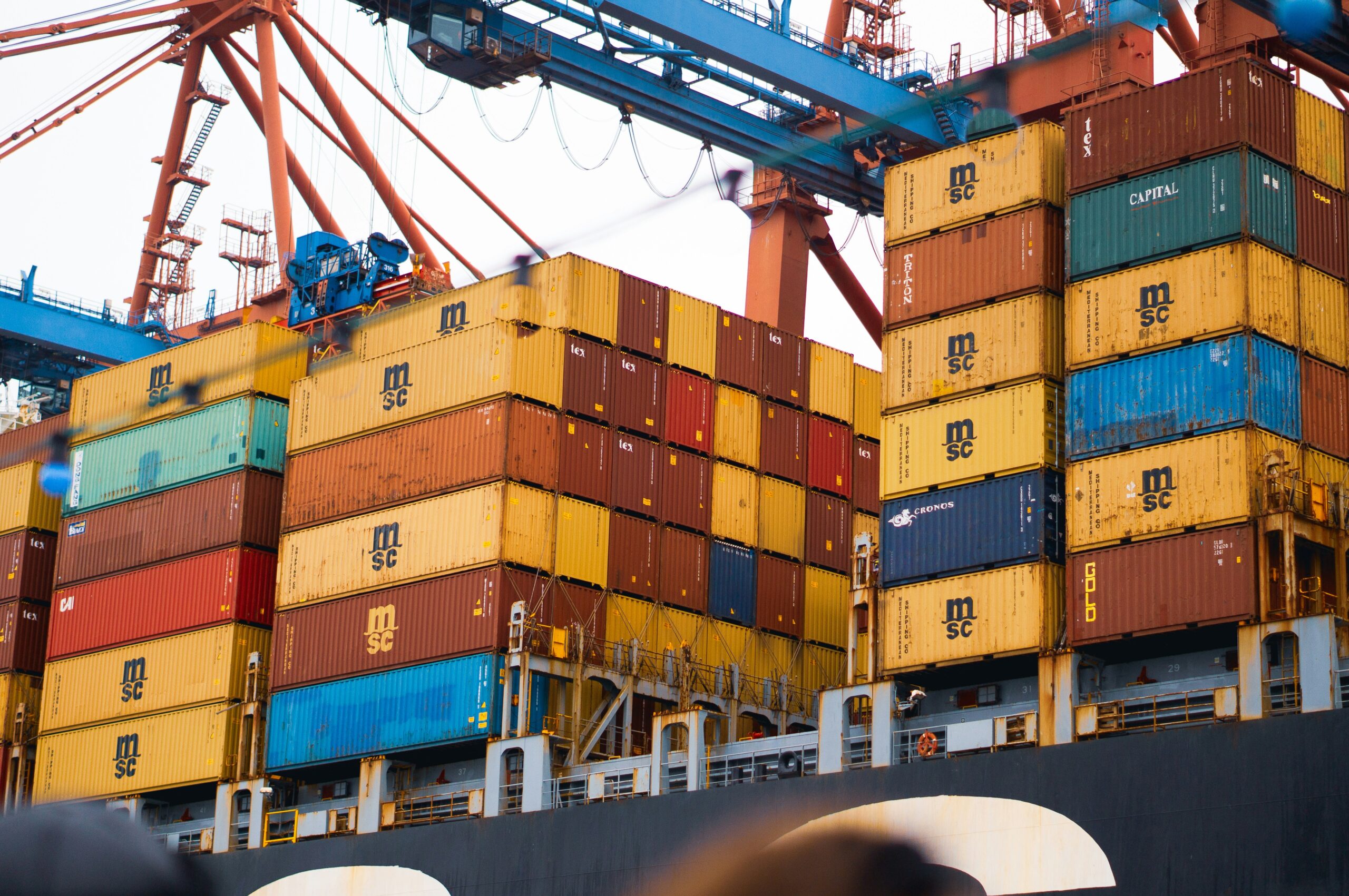
Diplomacy isn’t just about politics; it’s about business. Latvia leverages its EU membership, strategic location, and digital prowess to attract investments and expand trade. As a major transit hub, it connects Europe with Central Asia. Its tech sector thrives, drawing global partnerships. Latvia’s diplomatic missions actively promote economic ties, proving that foreign relations extend far beyond embassies—they shape the country’s economic future.
Latvia and the Global South
While Latvia’s primary focus is the West, it’s also expanding ties with Asia, Africa, and Latin America. Trade with China, diplomatic missions in Africa, and educational exchanges with Latin America reflect a broader global vision. As a small but agile player, Latvia finds creative ways to engage beyond traditional partners. This growing outreach signals Latvia’s intent to be more than just a regional actor—it aims for a truly global footprint.
Soft power and cultural diplomacy
Latvia’s foreign influence isn’t just about politics—it’s also about culture. Through music, art, and sports, Latvia builds global connections. The famous Latvian Song and Dance Festival attracts international attention, while its tech and innovation scene elevates its soft power. Educational exchanges and digital diplomacy further enhance its global presence. Latvia understands that diplomacy isn’t just about policies—it’s about people, identity, and cultural impact.
Latvia’s future in global diplomacy
Latvia’s foreign policy is always changing. Increasing economic and diplomatic outreach, preserving security, and fortifying European unity continue to be top concerns. Agility is necessary to meet challenges including cybersecurity attacks, regional conflicts, and global economic upheavals. However, Latvia is positioned as a dynamic global player due to its inventive spirit, strategic relationships, and resilience. One thing is certain as Latvia pursues its diplomatic endeavors: despite its modest size, its goal is unquestionably global.
The tale of Latvia’s international diplomacy is one of perseverance, flexibility, and aspiration. Latvia demonstrates that even little countries can have a strong diplomatic voice, whether it is negotiating European politics, protecting its borders, or reaching out to the rest of the world.
You may also find these articles helpful
Foreign diplomatic relations of Saba
Foreign diplomatic relations of Puerto Rico